US troop cuts in Germany spark backlash from senior Republicans over Russia concerns
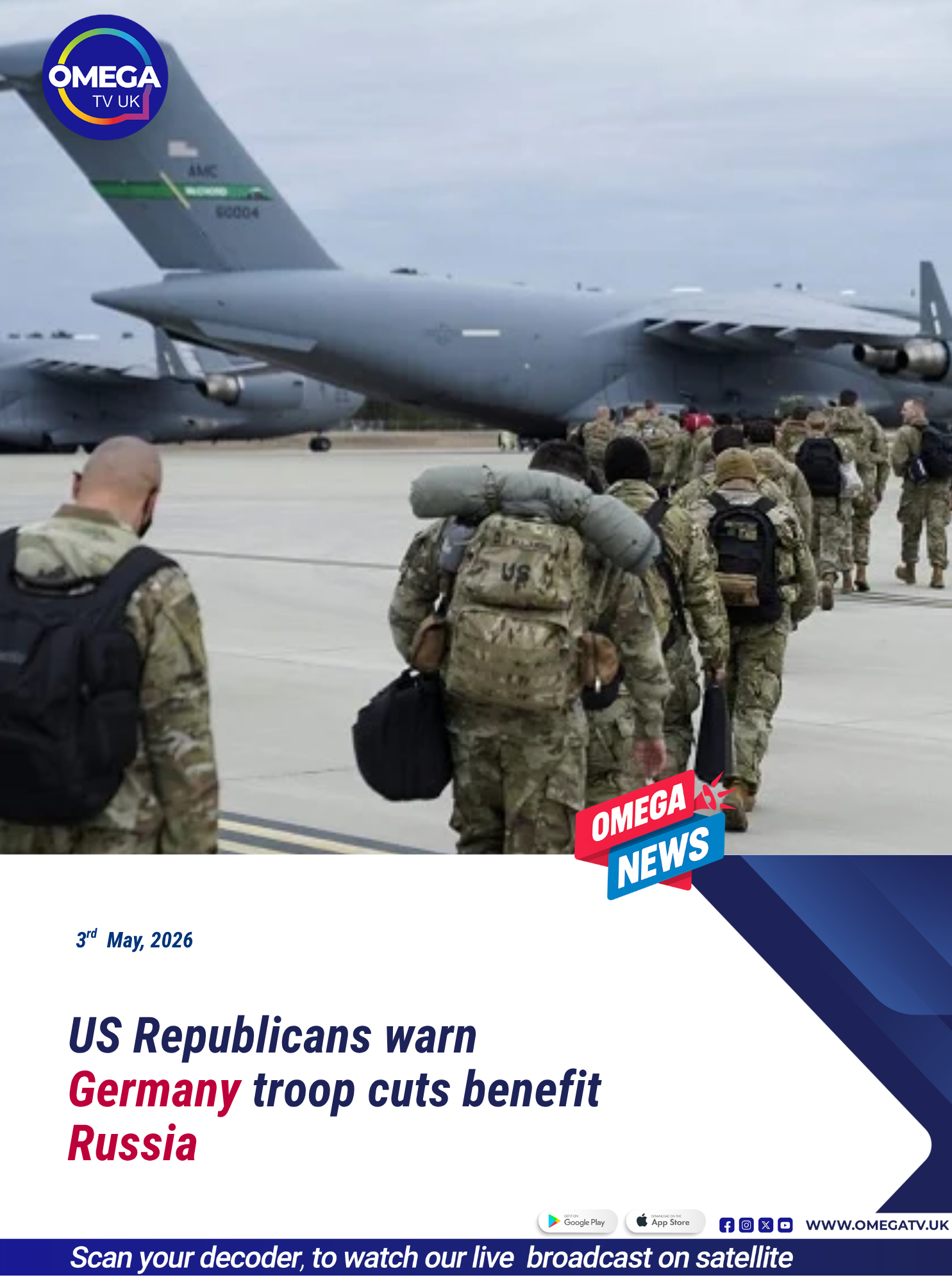
Two senior Republican lawmakers have criticised the Pentagon’s decision to withdraw 5,000 US troops from Germany, warning the move could weaken deterrence in Europe and send the wrong message to Russia.

The criticism came from Roger Wicker and Mike Rogers, who chair the Senate and House Armed Services Committees respectively.
In a joint statement, the lawmakers said the planned reduction in forces comes at a sensitive moment as European allies increase defence spending in response to growing security threats.
They argued that instead of pulling troops out of Germany, the United States should consider repositioning them further east to strengthen Nato’s military presence closer to Russia.
“Prematurely reducing America’s forward presence in Europe before those capabilities are fully realised risks undermining deterrence and sending the wrong signal to Vladimir Putin,” the lawmakers said.
They added that maintaining a strong US military footprint in Europe remains in America’s strategic interest.
The Pentagon announced the decision on Friday.
Pentagon spokesperson Sean Parnell said the troop reduction followed a comprehensive review of military requirements and operational conditions in the region.
He said the decision reflected current “theater requirements and conditions on the ground.”
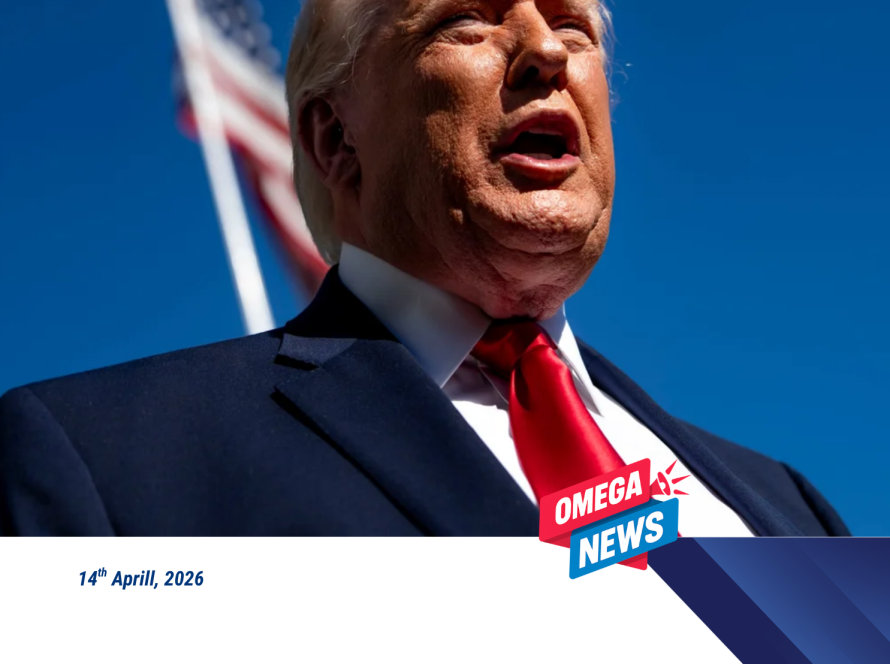
On Saturday, President Donald Trump suggested the withdrawal could go even further.
“We’re going to cut way down, and we’re cutting a lot further than 5,000,” Trump told reporters, though he did not provide additional details.
The United States currently has more than 36,000 active-duty troops stationed in Germany, making it America’s largest military deployment in Europe.
US troop numbers elsewhere on the continent include around 12,000 personnel in Italy and approximately 10,000 in the United Kingdom.
Germany’s Defence Minister Boris Pistorius said the Pentagon’s decision was not entirely unexpected.
Speaking to German news agency DPA, Pistorius described the troop cuts as “foreseeable.”
He also stressed that the presence of US forces in Europe, particularly in Germany, remains beneficial to both countries.
“The presence of American soldiers in Europe, and particularly in Germany, is in our interest and in the interest of the US,” he said.
Nato has since requested further clarification from Washington regarding the planned troop withdrawal.
Alliance officials are reportedly seeking more details on the timeline and strategic implications of the move.
The decision has also drawn criticism from Democrats.
Adam Smith, the top Democrat on the House Armed Services Committee, said the troop reduction was not based on a coherent national security strategy.
He accused Trump of allowing personal grievances to influence military decisions.
“This is not grounded in any coherent US national security policy, strategy, or even analysis,” Smith said.
However, not all Republicans opposed the move.
Congressman Clay Higgins defended the administration’s decision while mocking Germany in comments posted on X.
“Pulling 5K American troops from the arrogant Germans. Maybe we should send them the Senate,” Higgins wrote.
The announcement follows renewed tensions between Trump and German Chancellor Friedrich Merz.
Trump recently criticised Merz after the German leader reportedly said the United States had been “humiliated” by Iranian negotiators during ongoing diplomatic tensions.
Trump responded by attacking Merz on his Truth Social platform, accusing him of being soft on Iran’s nuclear ambitions.
The Pentagon said the troop withdrawal was ordered by Defence Secretary Pete Hegseth and is expected to be completed within six to 12 months.
The move has intensified concerns within Nato that the alliance could face growing strain as the US reassesses its military commitments in Europe.
Polish Prime Minister Donald Tusk warned that weakening transatlantic unity could be more dangerous than external threats.
“The greatest threat to the transatlantic community is not its external enemies, but the ongoing disintegration of our alliance,” Tusk said.
Trump has repeatedly criticised Germany in the past over defence spending, previously calling the country “delinquent” for failing to meet Nato spending targets.
However, Germany has since significantly increased military investment.
Berlin is projected to spend €105.8 billion on defence in 2027, with overall defence expenditure expected to reach 3.1% of GDP.
As debate continues, the planned withdrawal is expected to remain a major issue within both Nato and US defence circles.