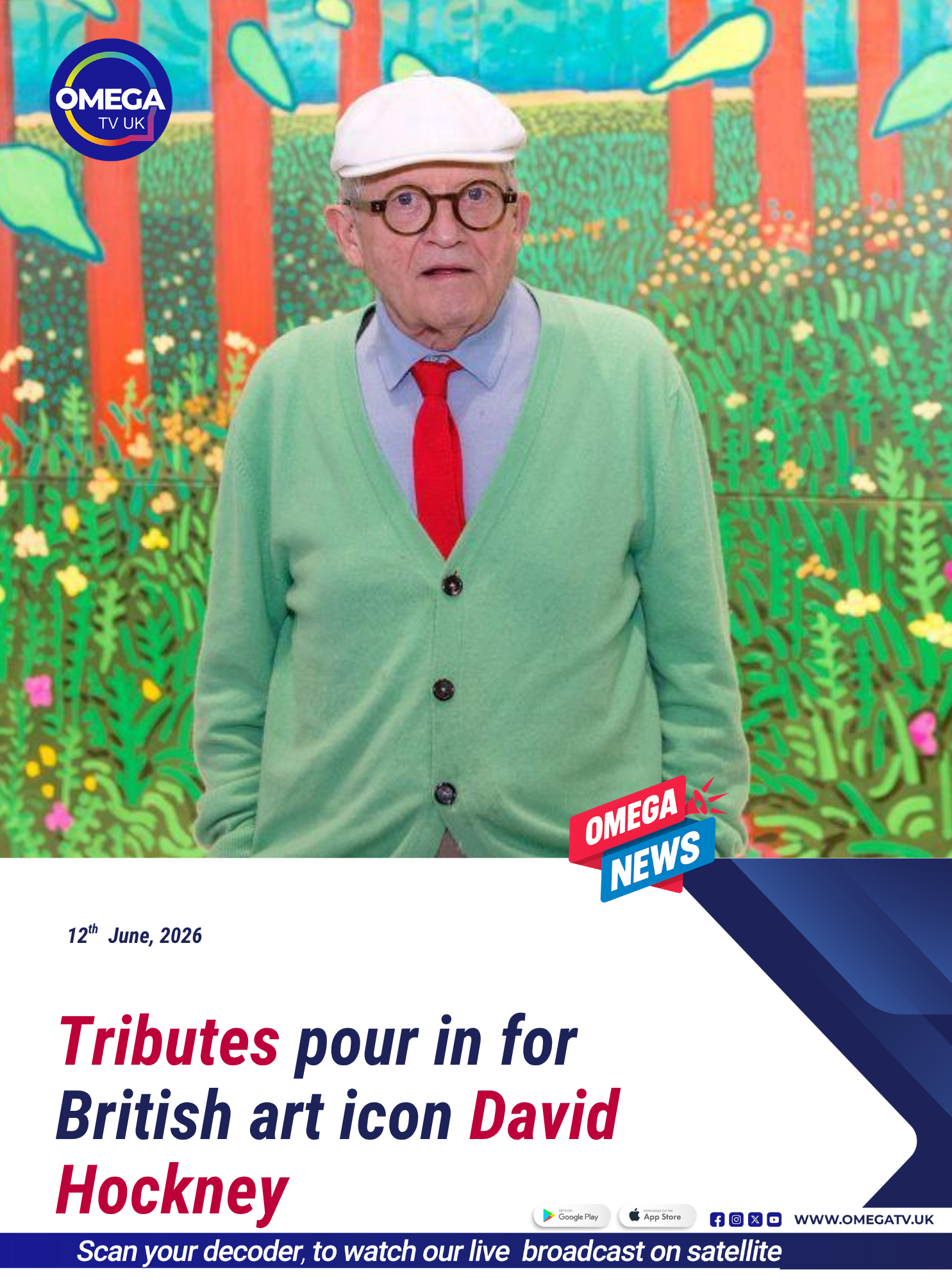
Tributes have poured in from across the political, cultural and art worlds following the death of David Hockney, one of Britain’s most celebrated and influential artists, who died peacefully at the age of 88.

The legendary painter, known globally for his vibrant use of colour and groundbreaking artistic style, passed away at his home on June 11, just weeks before his 89th birthday. Over a remarkable career spanning more than seven decades, Hockney became one of the defining figures of contemporary art, producing iconic works inspired by Yorkshire landscapes, California swimming pools and intimate portraits of friends and family.
British Prime Minister Keir Starmer led the tributes, describing Hockney as one of Britain’s most celebrated artists whose work influenced generations. A spokesperson from Downing Street said the artist’s instantly recognizable creations left a lasting mark on both British culture and the international art world.
Fellow British artist Tracey Emin emotionally reflected on Hockney’s impact, praising him as a wonderful man who transformed perceptions of British identity through art. She also highlighted his openness about his sexuality and his importance as a proud and visible gay figure in British culture during periods when such openness was far less accepted.
Tributes also came from major art institutions worldwide. Tate Britain described Hockney as an endlessly inventive artist whose vision and creativity changed modern art forever. Tate Britain director Alex Farquharson praised Hockney’s courage to always remain true to himself both personally and artistically.
According to Farquharson, Hockney taught audiences how to see beauty in ordinary life through his sharp observations, warmth and playful artistic energy. He added that the artist’s influence extended far beyond galleries and museums into wider popular culture.
The Pompidou Centre in Paris also honored Hockney, calling him one of the major figures of contemporary art whose work would remain alive and timeless for future generations.
Born in Bradford, England, Hockney developed his artistic talent from a young age, famously pushing a pram filled with painting materials through the streets while creating outdoor artwork. After studying at Bradford School of Art and later the Royal College of Art in London, he quickly became one of Britain’s leading modern artists.
His career reached global heights after moving to Los Angeles in the 1960s, where he created his famous swimming pool paintings that captured the glamour and lifestyle of California. Works such as “Mr and Mrs Clark and Percy” became internationally recognized masterpieces and cemented his reputation as one of the most important painters of the modern era.
In recent years, Hockney also embraced technology and digital art, using iPads to create colourful landscapes and portraits, particularly during the Covid-19 pandemic while living in Normandy, France. His willingness to adapt and experiment with new artistic forms kept his work fresh and influential even in later life.
London Mayor Sadiq Khan described Hockney as a revolutionary artist who never stopped reinventing himself. Khan added that the painter’s vivid depictions of changing seasons helped many people appreciate the beauty and fragility of nature.
Members of the LGBTQ+ community also paid tribute to Hockney’s role as a pioneer of queer British art. Cultural figures praised him for openly expressing his identity through art long before wider social acceptance existed.
The Tate confirmed that two major Hockney projects planned for next year will still move forward, including a major exhibition at Tate Britain and a multimedia installation at Tate Modern celebrating his work for opera productions.
Hockney is survived by his long-time partner Jean-Pierre Gonçalves de Lima, family members and close friends. His death marks the end of an extraordinary artistic era, but his influence on modern art and culture is expected to continue inspiring generations for decades to come.