Kenyan Health Minister Orders Halt to Controversial US-Backed Ebola Facility

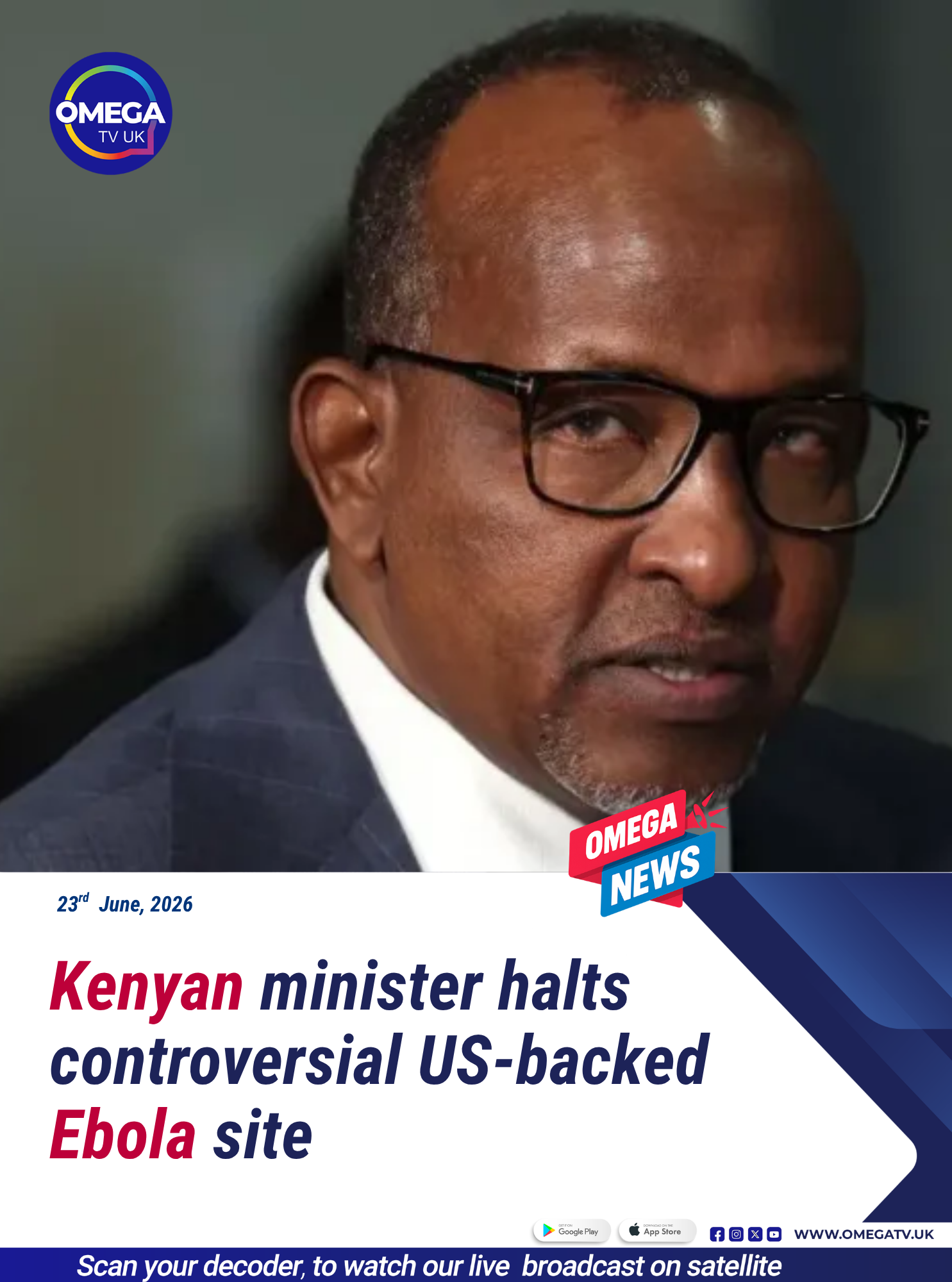
Kenya’s Health Minister, Aden Duale, has ordered an immediate stop to all preparations for a controversial Ebola quarantine facility backed by the United States after a court challenged the project’s legality. The decision was announced on Tuesday during a court hearing where the minister faced accusations of ignoring an earlier order that had suspended work on the site.
The proposed facility, located at Laikipia Air Base about 200 kilometres from Nairobi, was intended to receive and quarantine American citizens evacuated from the Democratic Republic of Congo, which remains the centre of an ongoing Ebola outbreak. The project was part of wider cooperation between Kenya and the United States to strengthen regional readiness against infectious diseases.
However, the plan sparked fierce opposition across Kenya. Many citizens questioned why the country should host a facility primarily designed for foreign nationals, raising concerns about safety, transparency and the potential risks associated with Ebola patients being brought into the country. Public anger grew rapidly after the project was announced, leading to protests in several areas. Some demonstrations reportedly turned violent, resulting in deaths and injuries.
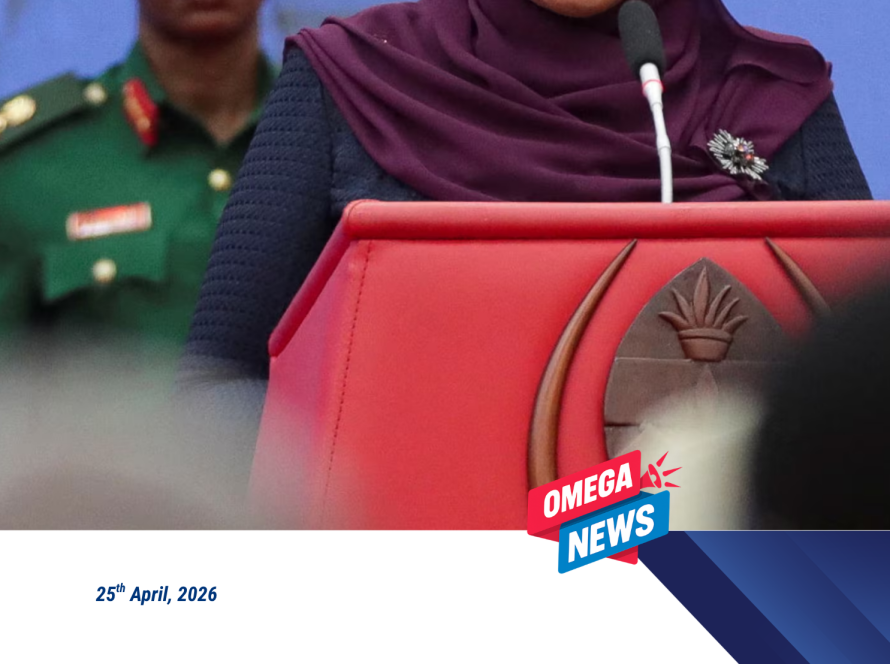
Appearing before the court, Duale stated that he had directed the “immediate and complete cessation” of any construction, site preparation or related activities at the air base. The suspension will remain in effect until the court reaches a decision on the case or issues further instructions.
The minister also apologized to the court, explaining that he had interpreted the previous order as applying only to Kenya’s collaboration with the United States rather than to the construction work itself. He said his actions were motivated by a desire to ensure public health and preparedness against potential disease outbreaks.
The court accepted his apology and chose not to impose a possible jail sentence. Nevertheless, judges warned that any future failure to comply with court orders could lead to more severe consequences.
The controversy has fueled a broader debate about foreign involvement in Africa’s healthcare systems. While Washington has pledged $13.5 million to support Kenya’s Ebola preparedness efforts, critics argue that the arrangement raises questions about national sovereignty and echoes historical concerns over unequal partnerships between African countries and Western powers.
Supporters of the initiative argue that international cooperation is vital in combating deadly diseases that do not respect national borders. They believe improved preparedness could help Kenya and neighboring countries respond more effectively to future health emergencies.
For now, all activities at the Laikipia Air Base facility have been suspended while the legal challenge continues. The court’s final decision is expected to have significant implications for Kenya’s public health policies and its future partnerships with international allies.