Pakistan Reportedly Mediating Efforts to Reunify Libya
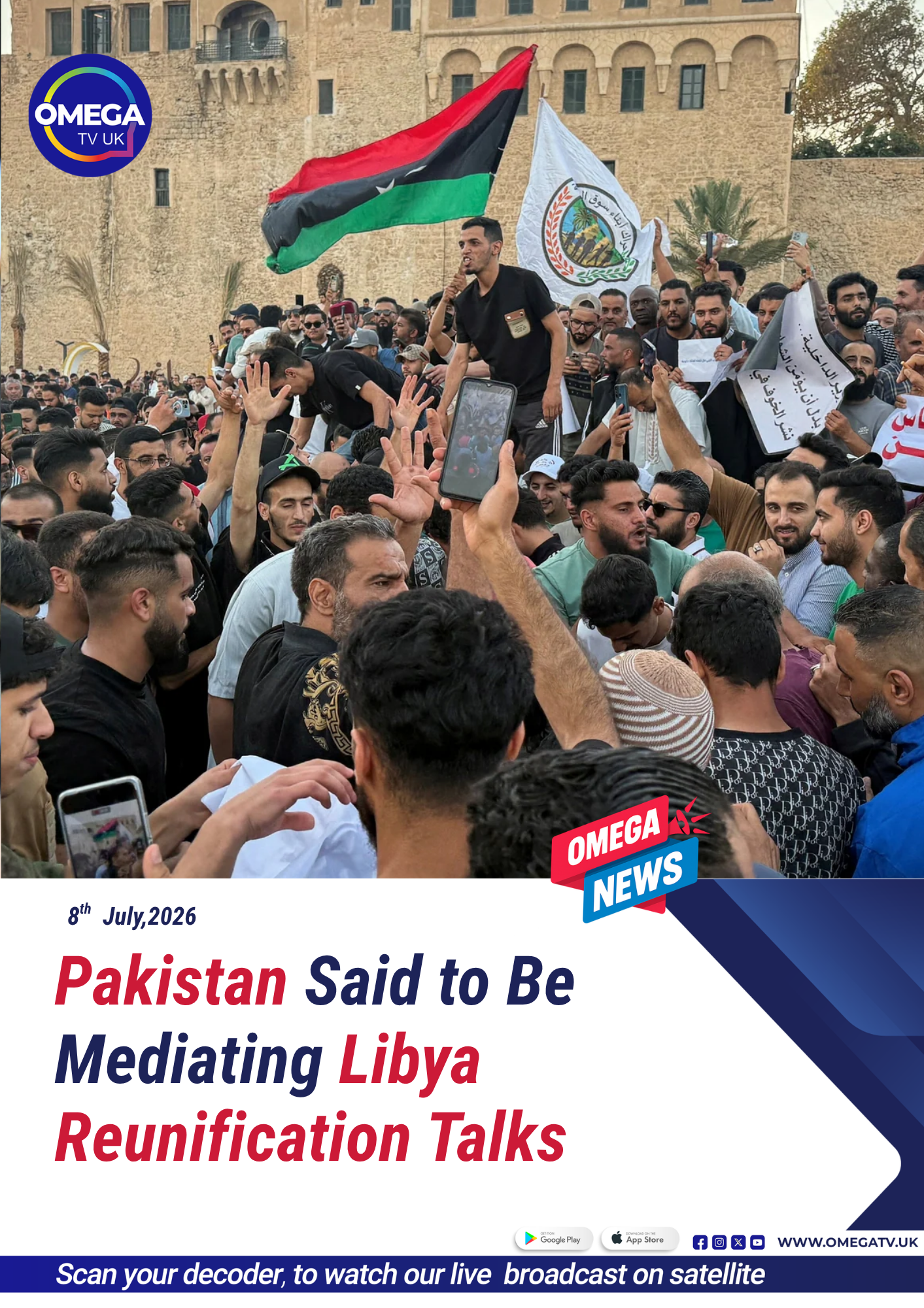
Pakistan has reportedly launched mediation efforts aimed at reuniting Libya, according to reports by Reuters, in a move that could potentially end more than a decade of political division and instability in the North African country.

Libya remains divided since Gadhafi’s fall
Libya descended into political turmoil following the overthrow and killing of longtime leader Moammar Gadhafi in 2011 during a NATO-backed uprising.
Since then, the country has remained split between rival administrations, with competing governments and armed groups vying for power and control over its vast oil resources.
The western part of the country is governed by the internationally recognised Government of National Unity (GNU), led by Prime Minister Abdulhamid Dbeibah, while the eastern region is controlled by the Government of National Stability (GNS), aligned with military commander Khalifa Haftar.
Talks reportedly began last year
According to reports, mediation talks began late last year after both Libyan factions approached Pakistan and requested its involvement in efforts to resolve the political deadlock.
The diplomatic initiative is reportedly receiving support from several influential countries, including the United States, Saudi Arabia, Qatar and Turkey.
The involvement of these regional and international powers highlights the strategic importance of stability in Libya, a country that possesses Africa’s largest proven oil reserves.
Proposed power-sharing arrangement
Sources familiar with the discussions say the proposed reunification plan would establish a 36-month transitional power-sharing government.
Under the proposal, Abdulhamid Dbeibah would continue serving as prime minister during the transition period, while Saddam Haftar, the son of eastern military leader Khalifa Haftar, would head a newly created presidential council.
The arrangement is intended to bridge the deep political divide that has prevented national elections and delayed efforts to restore unified governance.
Oil revenues remain a key issue
One of the most significant aspects of the proposed deal reportedly involves control over Libya’s finances.
The plan would grant Haftar’s eastern faction authority over budget matters due to its control of many of the country’s major oilfields and critical infrastructure.
Control of Libya’s oil wealth has long been one of the central issues fueling the country’s political conflict and has complicated previous attempts to establish a unified government.
Hope for lasting stability
Despite several previous peace initiatives, Libya has struggled to achieve lasting political reconciliation, with rival governments repeatedly failing to agree on election frameworks and power-sharing arrangements.
If successful, Pakistan’s mediation efforts could represent a significant breakthrough in efforts to restore political unity and stability to the country.
However, observers caution that many challenges remain and any agreement would require broad support from Libya’s political factions and international stakeholders.