US Demands Iran Guarantee Safe Passage Through Strait of Hormuz After Ship Attacks
Washington pushes Tehran to reopen key oil route as ceasefire tensions escalate
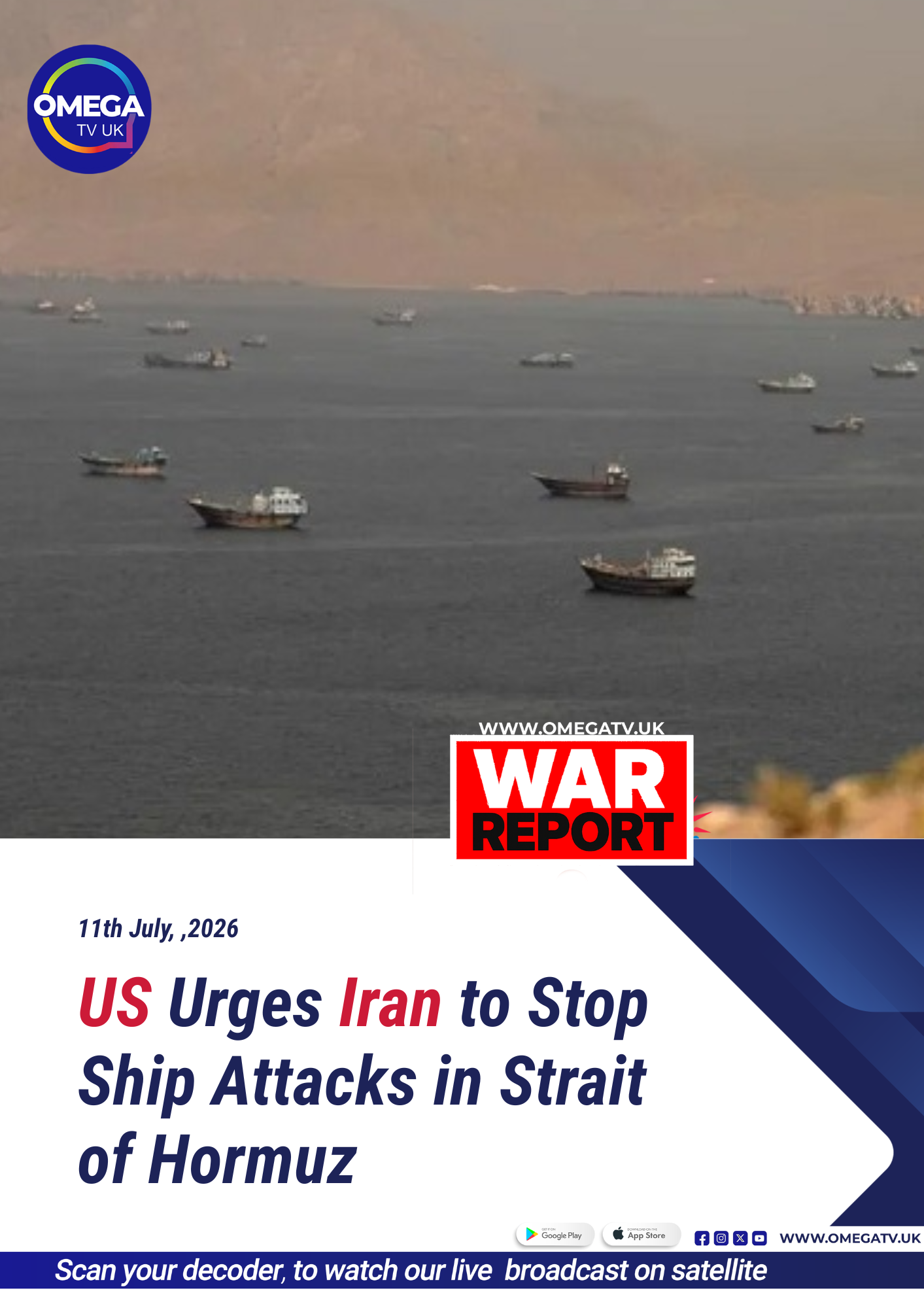
The United States has demanded that Iran publicly confirm the Strait of Hormuz remains open and pledge to stop attacks on commercial vessels following recent strikes on ships in the vital waterway.

The demand comes after three commercial tankers were attacked earlier this week, triggering a new wave of military exchanges between Washington and Tehran. US officials said Iran privately admitted the attacks were a mistake and blamed a rogue internal faction for carrying them out.
US seeks public commitment from Tehran
According to US officials, Washington has sent a message to Iran through regional mediators asking Tehran to issue a statement confirming that the Strait of Hormuz is open and that commercial ships will no longer be targeted.
One US official warned that failure to provide such assurances could lead to further consequences, saying Iran must acknowledge the incident and commit to preventing future attacks.
The White House is also seeking a public admission from Tehran that the strikes on shipping vessels were a mistake.
Ceasefire under pressure
The latest tensions have raised questions over the future of the ceasefire agreement between the two countries.
US President Donald Trump said Iran’s attacks meant the ceasefire was effectively over but added that discussions aimed at ending the conflict would continue.
Iranian Foreign Minister Abbas Araghchi accused Washington of violating the agreement, arguing that US military actions had undermined the deal.
The conflict began after US and Israeli strikes on Iran on 28 February, which led Tehran to launch retaliatory attacks against Israel and US-linked targets in the Gulf region.
A ceasefire agreement was later reached in June, including commitments by Iran to allow safe passage for commercial vessels travelling through the Strait of Hormuz.
Iran says attacks were a mistake
US officials told media outlets that Iranian representatives privately admitted the recent attacks on ships were accidental.
According to reports, Tehran told American officials that an internal hardline group acted independently and attempted to disrupt diplomatic efforts.
The disclosure came after the US carried out strikes against around 90 targets across Iran. Iranian officials said the attacks killed 17 people and injured more than 100 others.
Iran later responded with strikes against US allies in the Gulf, including military sites in the region.
Qatar and Oman attempt to ease tensions
Diplomatic efforts are continuing, with Qatar sending a delegation to Tehran to help reduce tensions and protect navigation through the Strait of Hormuz.
The waterway is one of the world’s most important energy routes, with around 20% of global oil and liquefied natural gas supplies passing through it.
Iranian officials have also been involved in discussions with Oman, which has previously played a role in mediating between Tehran and Washington.
The timing and location of future US-Iran talks remain unclear, although American and regional officials are expected to continue communication through diplomatic channels.
Trump issues warning over alleged assassination threats
Meanwhile, Trump responded to reports that Iran had considered plans to assassinate him, warning that the US would launch a devastating response if such an attack occurred.
Iran’s new supreme leader, Mojtaba Khamenei, has vowed that revenge for the killing of his predecessor, Ayatollah Ali Khamenei, would come after the latter was killed in an Israeli strike in February.
The confrontation has increased fears of further escalation between the two countries, particularly around the Strait of Hormuz, where control over shipping routes remains a major point of dispute.