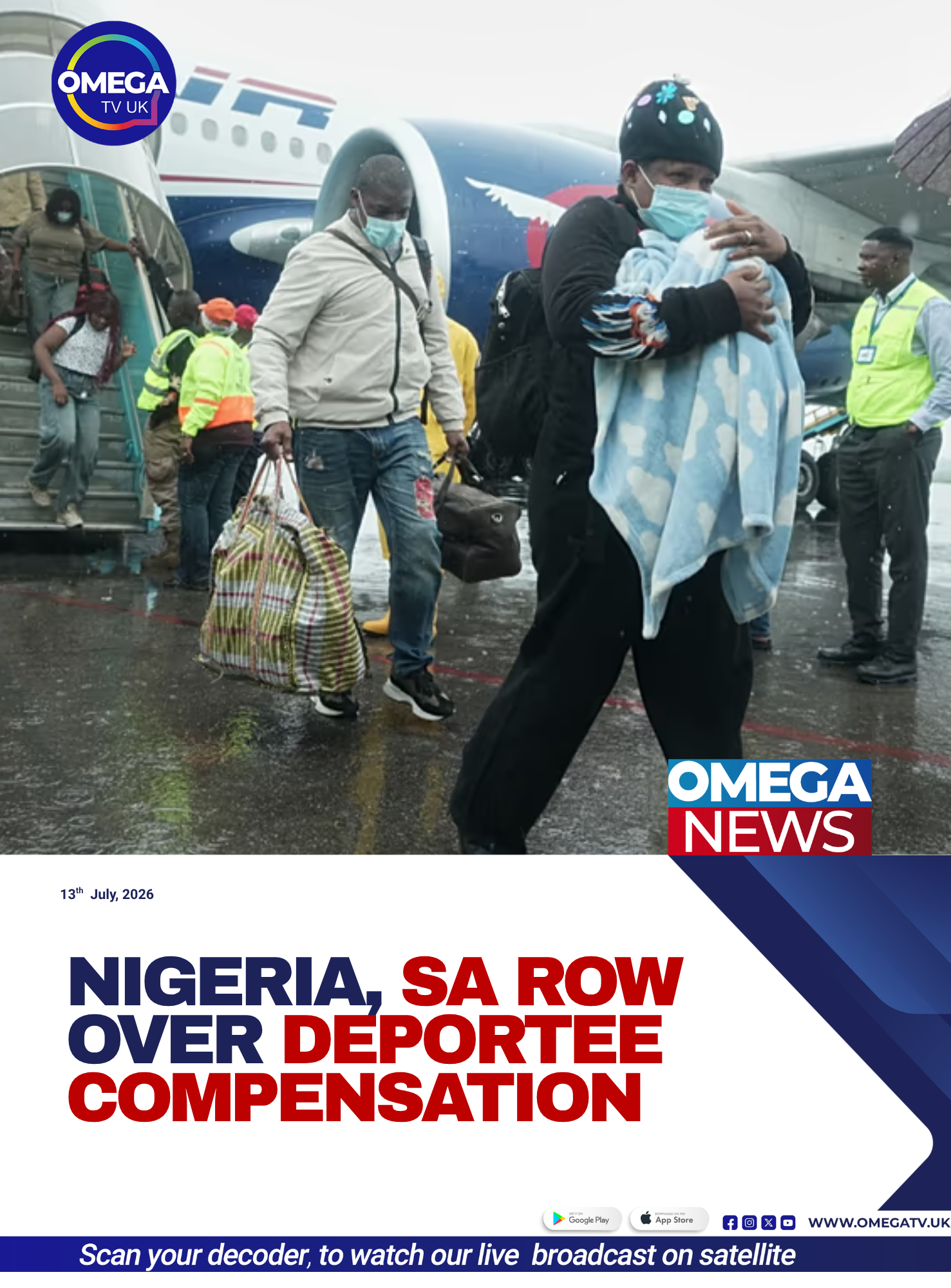
A diplomatic row is brewing between Nigeria and South Africa after Abuja announced plans to seek compensation for Nigerian citizens who recently returned home following anti-immigrant protests in South Africa.

Hundreds of Nigerians and other foreign nationals have been displaced in recent weeks as anti-migrant demonstrations spread across parts of South Africa, forcing thousands to leave their homes, businesses and jobs.
The South African government says more than 50,000 foreign nationals have so far been processed for repatriation and deportation as part of its migration management campaign.
Nigeria’s government says it is currently gathering details from returning citizens to determine the extent of their losses before formally engaging Pretoria on compensation.
Officials in Abuja say many Nigerians were forced to abandon businesses, homes and personal belongings during the unrest and believe affected citizens deserve financial compensation.
The issue is expected to be discussed at the highest diplomatic levels once the verification process is completed.
However, South Africa has firmly rejected the idea of compensation.
Speaking on Monday, Minister in the Presidency Khumbudzo Ntshavheni said Pretoria would not compensate foreign nationals for properties located in informal settlements, arguing that many of the structures were not legally recognised.
“You are already violating the law if you are going to be telling us about a shack or informal settlement,” she said, according to local broadcaster eNCA.
The comments are likely to further strain relations between Africa’s two largest economies, which have previously clashed over xenophobic attacks targeting foreign nationals in South Africa.
Tens of thousands of migrants have left South Africa since anti-migrant marches began in June. The protests have been driven by groups demanding stricter immigration controls and mass deportations, blaming undocumented migrants for unemployment, crime and pressure on public services.
The demonstrations have sparked violence, intimidation and widespread fear among foreign communities.
Zimbabwe, Malawi, Mozambique and Uganda have all assisted in repatriating their citizens, while Nigeria has also organised the return of affected nationals.
Human rights organisations and international bodies have expressed concern over the treatment of migrants and warned against using foreigners as scapegoats for South Africa’s economic and social challenges.
The United Nations has repeatedly urged South Africa to protect migrants and ensure their rights are respected regardless of their immigration status.
For many of those returning home, the future remains uncertain.
Some have returned with little more than the clothes they were wearing, leaving behind years of hard work and investments.
As Nigeria continues to assess the losses suffered by its citizens, the issue of compensation could become another sensitive chapter in the long and sometimes complicated relationship between Abuja and Pretoria.
Whether the two countries can find common ground remains to be seen, but for thousands of affected migrants, the hope of recovering what they lost now hangs in the balance.