US Launches Fresh Strikes on Iran as Tehran Says Civilian Infrastructure Was Hit
Fighting escalates over Strait of Hormuz as both sides exchange attacks across the region
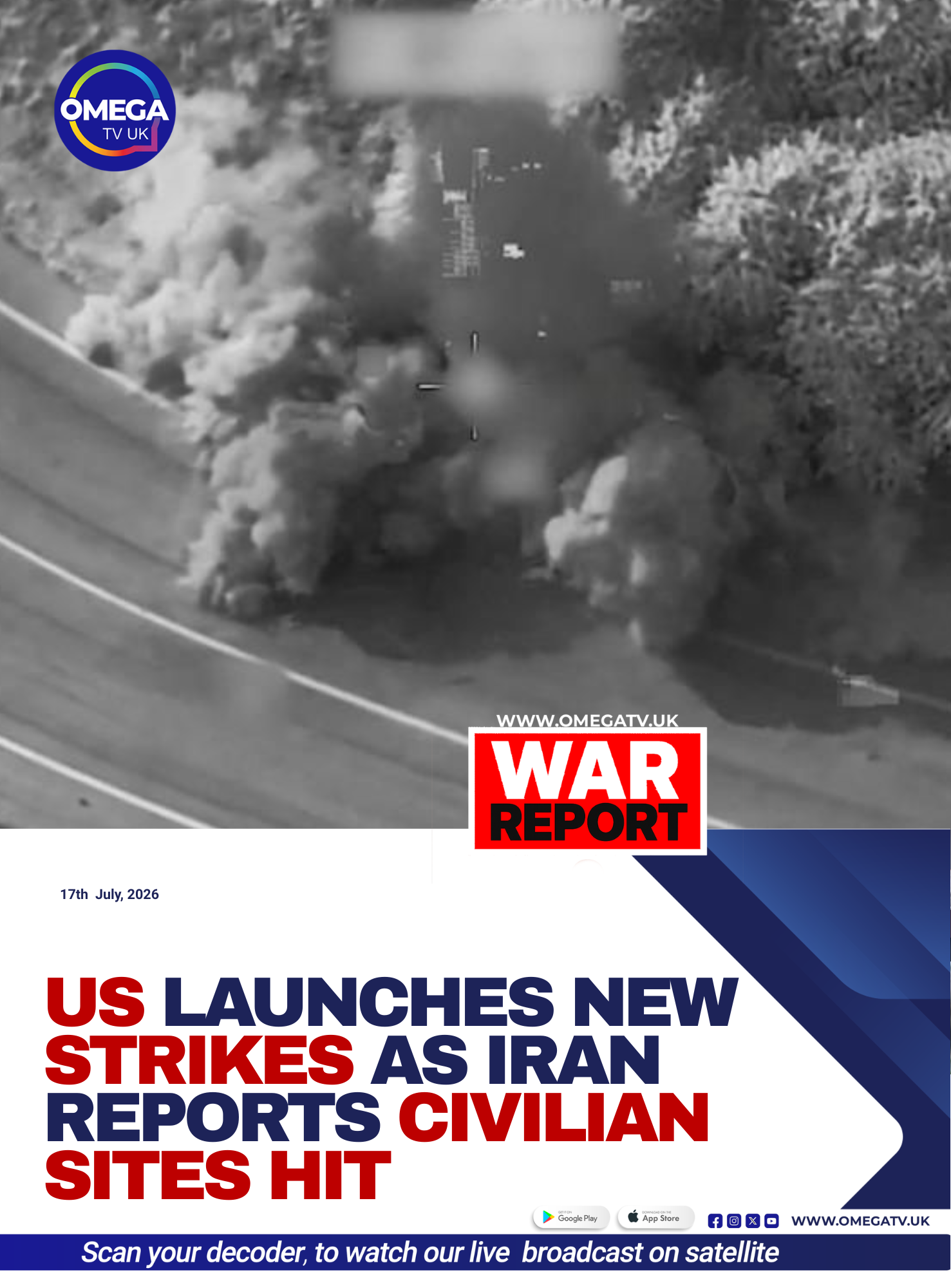
The United States has launched a new wave of airstrikes against Iran for the sixth consecutive night, further escalating tensions as both countries battle over control of the strategically important Strait of Hormuz.

US Central Command (Centcom) said the latest strikes were aimed at “further degrading Iranian military capabilities.” The military also confirmed that US forces had boarded a vessel as part of its renewed blockade of Iranian ports.
However, Iranian state media and local authorities said the attacks struck civilian infrastructure, including bridges, a railway station and an airport. BBC Verify confirmed damage to a bridge west of Bandar Abbas in Hormozgan province.
Iran’s Revolutionary Guards (IRGC) said they retaliated by targeting US maritime surveillance radar sites in Oman, as well as military targets in Kuwait and Bahrain. The group also claimed responsibility for an attack on a US special operations command centre at al-Tanf in Syria, saying it was revenge for the killing of Iranian soldiers earlier this week.
Neither the United States nor Syrian authorities have commented on the claim.
Jordan’s military later announced that it intercepted and destroyed three Iranian missiles, reporting no casualties or damage.
Meanwhile, violence also spread to Iraq’s Kurdistan region, where eight people were killed and several others injured in the city of Sulaymaniyah, according to local reports. Kurdish authorities blamed the attack on Iran. Kurdish forces also said they intercepted eight drones over Erbil without any casualties.
The escalating conflict has kept the Strait of Hormuz effectively closed after Iran moved to block the vital waterway in response to US and Israeli attacks. The strait is one of the world’s most important shipping routes for oil exports, and its closure has raised fears of a global energy crisis.
International Energy Agency Executive Director Fatih Birol warned that prolonged disruptions could have serious consequences for global energy supplies.
“We should be worried, and I am worried, if the situation does not improve in the next few weeks,” he said.
The latest US strikes also targeted areas near Qeshm Island and the southern coastal cities of Bandar Abbas and Bushehr, home to one of Iran’s nuclear power facilities.
Iranian officials said seven people were killed in the latest attacks in Hormozgan province. Videos verified by BBC Persian and BBC Verify showed extensive damage to the Gariveh Bridge, with footage capturing flames engulfing the structure before daylight images revealed collapsed sections of the road.
Iranian media also reported widespread power outages due to damage to electricity infrastructure.
According to Iran’s Health Ministry, at least 38 people have been killed and more than 400 injured since the latest fighting with the United States began.
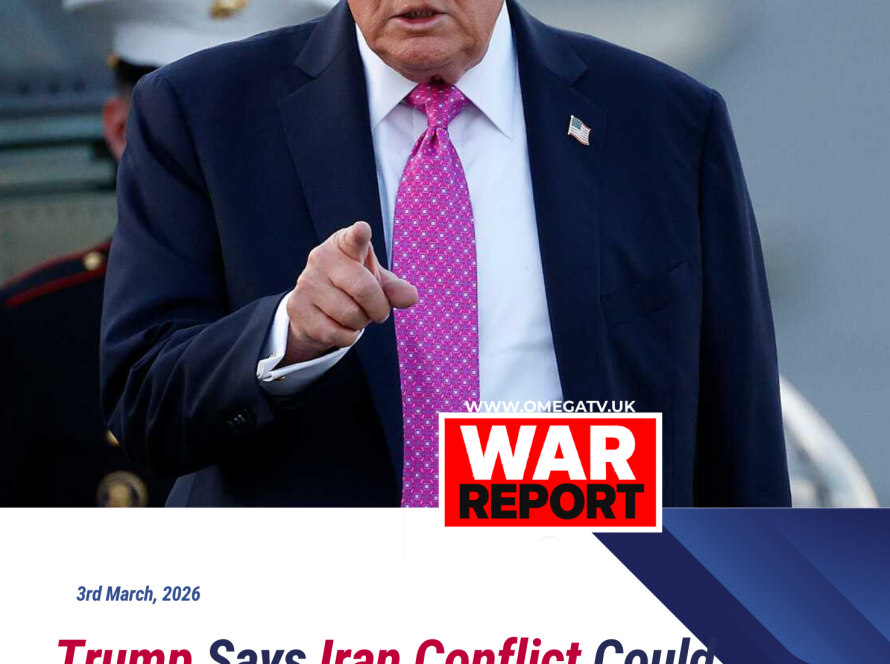
Despite the rising violence, the White House said President Donald Trump remains open to diplomatic negotiations with Tehran.
White House Press Secretary Karoline Leavitt said Iran had expressed interest in reaching an agreement with Washington but warned that the United States would respond to any attacks on ships in the Strait of Hormuz.
Iranian officials, however, have insisted that any future agreement must protect the country’s interests and national security.
The latest exchanges have further increased fears of a wider regional conflict, with international calls growing for both sides to return to negotiations and avoid further escalation.