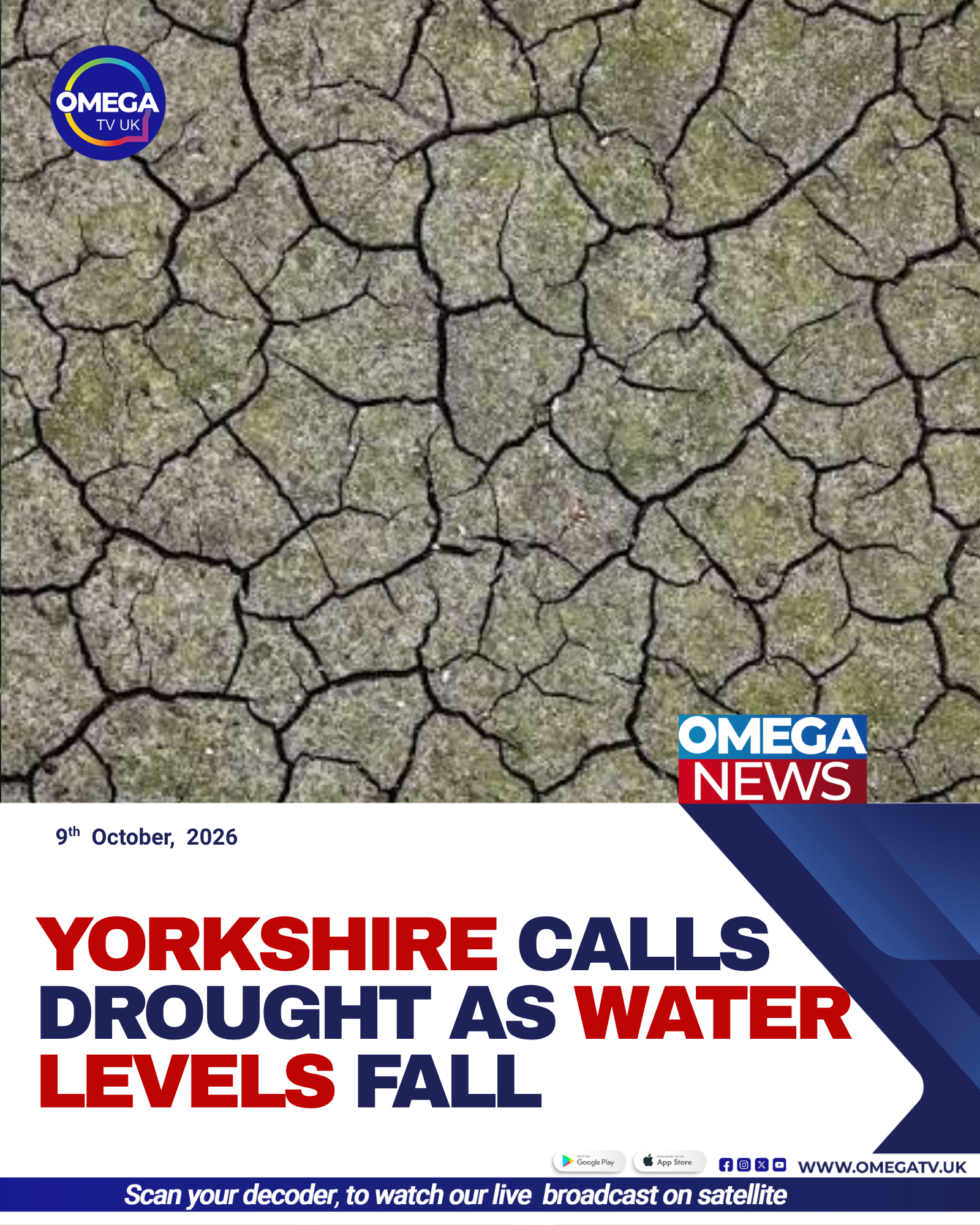
Yorkshire Declares Drought After Dry Spring and Summer
Yorkshire has been declared in drought after months of below-average rainfall left reservoirs, rivers and groundwater supplies at critically low levels, according to the Environment Agency.

Yorkshire drought status upgraded
The region was previously placed under prolonged dry weather status in late July, but the Environment Agency has now upgraded the classification to drought. Yorkshire joins central, southern and eastern England, while the North East and North West remain under prolonged dry weather status.
Rainfall far below average
The declaration follows an unusually dry September and a lack of rainfall throughout spring and summer. Environment Agency area manager Vicki Townend said Yorkshire experienced its fifth-driest April to September period on record, with river flows and groundwater levels falling to drought-triggering levels in some areas.
She warned that even several weeks of rain would not quickly reverse the effects of the prolonged dry conditions.
Rainfall deficits deepen
Analysis by Sky News’ Data and Forensics team found that rainfall across 17 weather stations in Yorkshire was 34% below normal between April and September. During the particularly dry period from 15 June to 15 August, the region received just 15% of its usual rainfall. At Normanby Hall near Scunthorpe, rainfall fell to only 5% of normal levels.
Record summer temperatures
The Met Office said the average temperature across June, July and August, including daytime and overnight readings, reached 16.5C. This exceeded the previous seasonal record of 16.1C set last year.
The UK also experienced five heatwaves and extended periods without rain in some areas. Rainfall during autumn has so far been insufficient to replenish water supplies or reverse the effects of the dry months.
Climate change increases drought risks
The Environment Agency said the latest declaration means England has experienced droughts in 2022, 2025 and 2026 within five years. It attributed the growing risk of drought and flooding to climate change, which is contributing to hotter, longer summers and more intense winter rainfall.
Public urged to conserve water
The agency said it would continue monitoring conditions and implement Yorkshire’s drought plan. Residents are being encouraged to understand the effects of drought and reduce their water consumption where possible.
Water minister Emma Hardy said recent rainfall had not been enough to replace the water used during spring and summer. She said Yorkshire’s drought declaration showed that the situation remained serious, adding that improving long-term resilience to climate change was a government priority.