Duane Davis Sentenced to 40 Years for Tupac Murder
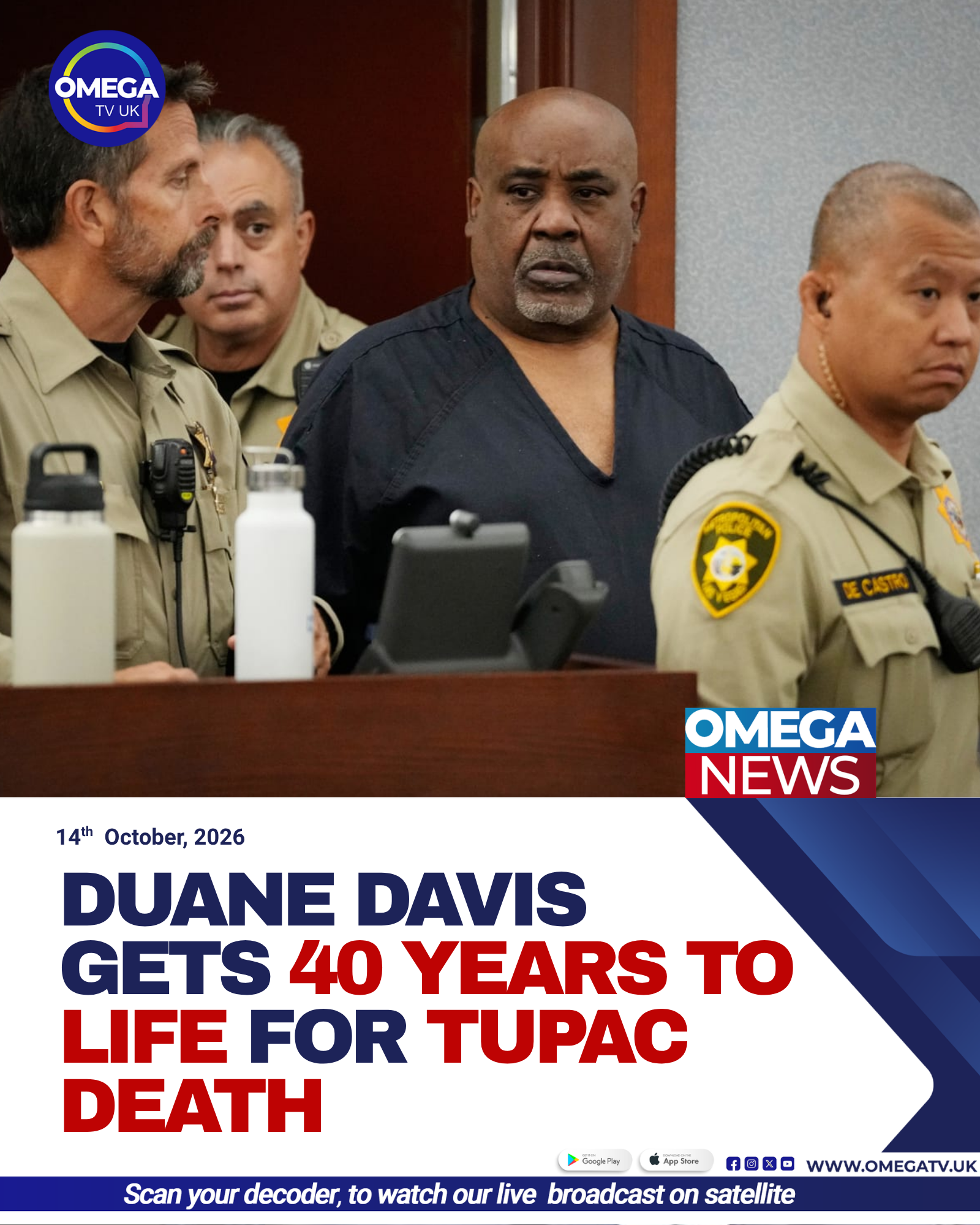
Duane “Keffe D” Davis has been sentenced to 40 years to life in prison for orchestrating the 1996 murder of rap legend Tupac Shakur, bringing a decades-long case to a major turning point.

Judge Delivers Sentence After Three Decades
A Las Vegas judge sentenced the 63-year-old Davis on Tuesday, giving him credit for 731 days already served. Judge Carli Kierny said the punishment reflected the lasting impact of Shakur’s killing and the suffering caused to his family. Davis was convicted of first-degree murder on August 31 after waiving his right to have the jury determine his sentence. He remains the only person charged in connection with Shakur’s death.
Davis’ Own Statements Helped Prosecutors
Prosecutors said Davis helped organise the shooting in retaliation for a fight involving Shakur’s entourage and Davis’ nephew, Orlando Anderson, at the MGM Grand in Las Vegas. Although prosecutors did not claim Davis fired the fatal shots himself, they argued he supplied a gun to someone in the vehicle. Shakur was shot while riding in a BMW with Death Row Records co-founder Marion “Suge” Knight and died six days later, on September 13, 1996.
Investigators relied heavily on Davis’ statements in interviews, documentaries, podcasts and his 2019 memoir, Compton Street Legend. Prosecutors said publishing the book undermined an earlier agreement in which Davis had provided information to authorities in exchange for potential consideration in a separate drug case.
Shakur’s Family Describes Lasting Grief
During the sentencing hearing, Shakur’s sister, Sekyiwa Shakur, described the emotional toll her brother’s death had taken on their family. She said the loss had affected her mental health and changed the lives of those closest to him. She also reflected on his talents as a musician, actor, poet and speaker, saying she believed he could have made a significant impact on society had he lived. Shakur’s stepbrother, Maurice “Mopreme” Shakur, also spoke about the loss, noting that Tupac never had the opportunity to raise children or watch his nieces and nephews grow up.
Fight at MGM Grand Preceded Shooting
The events leading to Shakur’s death began on September 7, 1996, after a Mike Tyson boxing match in Las Vegas. Davis said in his memoir that Shakur and members of his entourage attacked Anderson, a confrontation prosecutors described as the motive for the subsequent shooting. Davis later told investigators that he handed a gun to a passenger in the vehicle before Anderson fired at Shakur. Four bullets struck the rapper, including one that severely damaged his lung.
Biggie’s Murder Also Resurfaces
The trial also revisited the murder of Christopher Wallace, known as “The Notorious B.I.G.” or Biggie Smalls, who was killed in Los Angeles in March 1997, six months after Shakur’s death. Davis denied involvement in Wallace’s killing, according to testimony presented in court. Although the two cases have long been linked in public discussion of the East Coast–West Coast hip-hop rivalry, Davis’ trial focused on Shakur’s murder.
Allegations Involving Sean Combs Denied
Davis also claimed that Sean “Diddy” Combs had offered money for an attack targeting Shakur and Knight. Combs denied the allegations, and the claims were not the central issue in Davis’ murder trial. After nearly three decades of uncertainty, Davis’ conviction and sentence mark a major development in the case surrounding the death of one of hip-hop’s most influential artists.