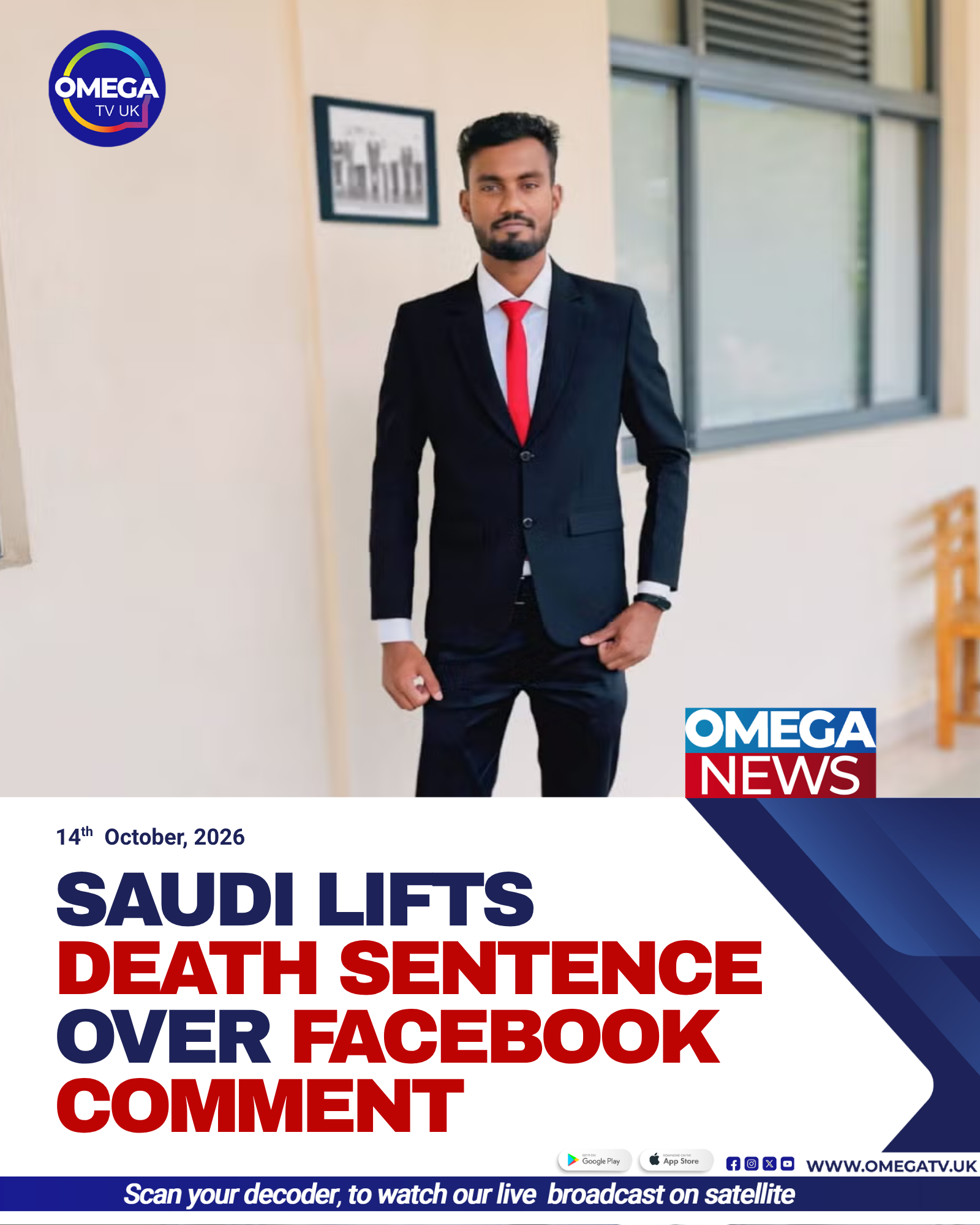
Saudi Arabia Overturns Death Sentence Over Facebook Comment
Saudi Arabia’s Supreme Court has overturned the death sentence imposed on Sri Lankan migrant worker Anojan Sivarasa, 27, over a Facebook comment deemed insulting to Islam and the Prophet Muhammad, Sri Lanka’s deputy foreign minister has announced.

Sri Lanka Confirms Court Decision
Deputy Foreign Minister Arun Hemachandra announced the decision in a Facebook post on Wednesday, thanking Saudi authorities and legal teams from both countries for their efforts. Sri Lankan lawmaker Faizer Mustafa also confirmed the ruling, saying officials were reviewing its implications.
Facebook Exchange Led to Arrest
Sivarasa was sentenced to death in September after a Saudi appellate court convicted him of blasphemy. The case followed an online dispute in late June that began after footage of a man kicking a dog following Hindu pilgrims circulated on social media. During the ensuing exchange, a user posted derogatory remarks about a Hindu deity, prompting Sivarasa to respond in Tamil with an insult directed at the Prophet Muhammad.
Apology Followed by Prosecution
Sivarasa reportedly deleted the comment shortly after posting it and shared an apology video. However, a screenshot of the comment was brought to the attention of his employer and Saudi authorities, leading to his arrest in July. He had initially received a five-year prison sentence and a fine of three million Saudi riyals from the Al-Ahsa Criminal Court before the death sentence was imposed on appeal.
His Legal Future Remains Unclear
Although the death sentence has been overturned, it remains unclear whether Sivarasa will face further legal proceedings, remain in detention or receive a different sentence. His family previously said they had not had direct contact with him since September 28.
Rights Groups Had Called for Clemency
International human rights organisations had urged Saudi Arabia to spare Sivarasa’s life. Human Rights Watch researcher Joey Shea criticised the use of laws carrying severe penalties for speech-related offences, particularly against migrant workers who may have limited protections.