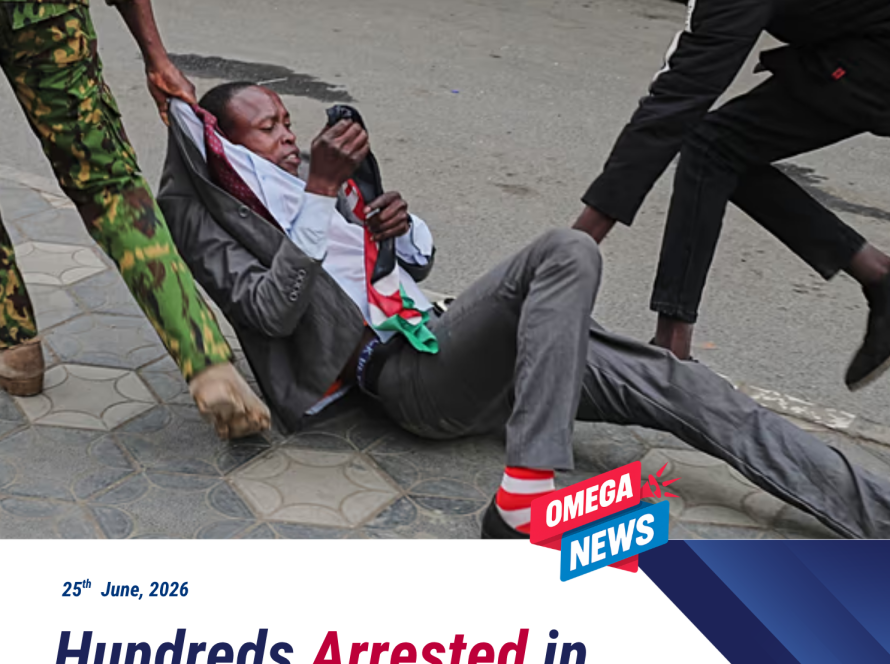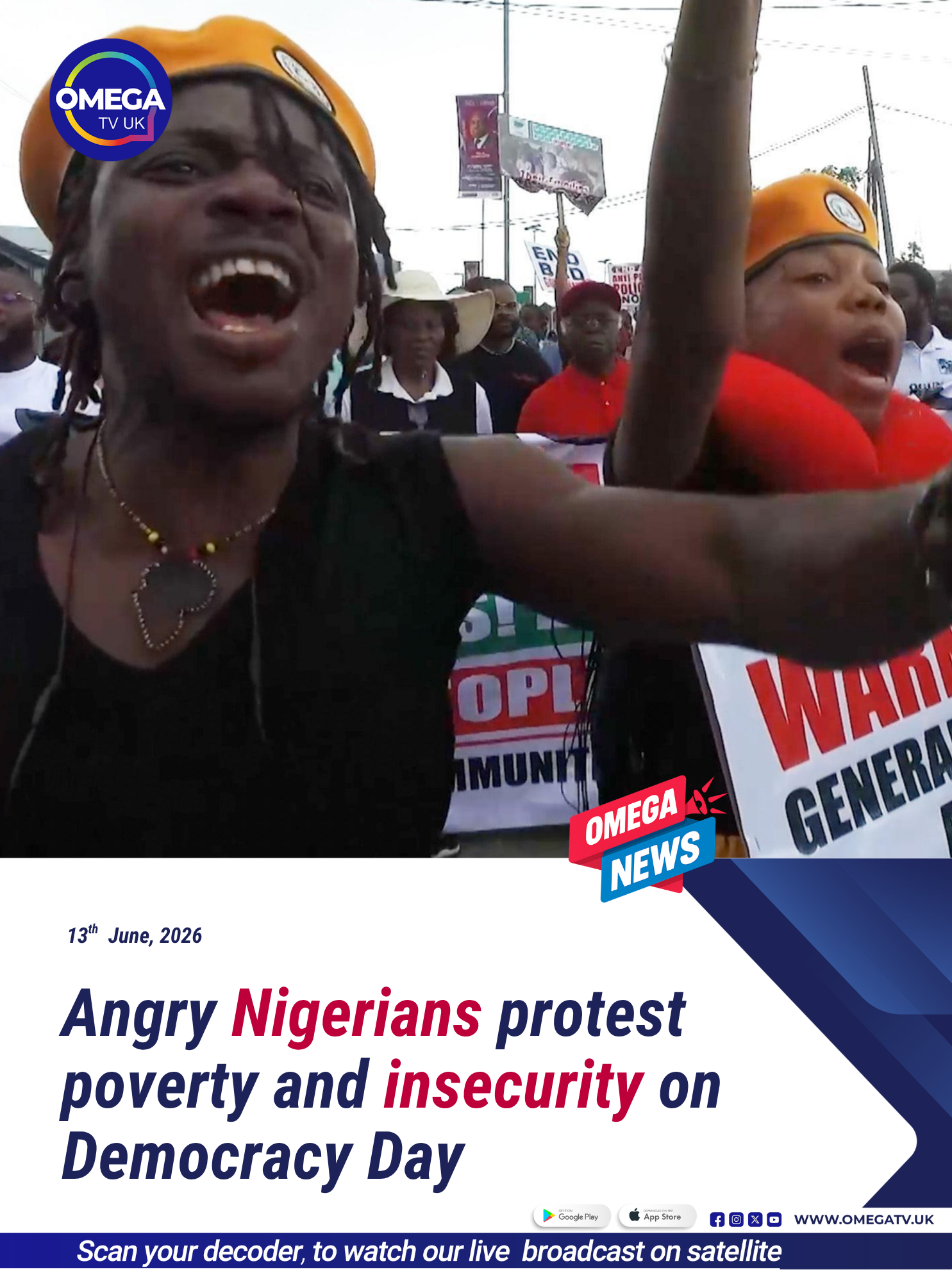
Hundreds of protesters gathered across Lagos on Friday as Nigerians marked Democracy Day with demonstrations against worsening economic hardship, insecurity and rising frustration over the country’s political leadership.

The demonstrations, which formed part of a wider nationwide protest movement organized by activists and civil society groups, saw crowds march through parts of Nigeria’s commercial capital carrying placards and chanting slogans demanding urgent government action on poverty, unemployment and insecurity.
Many protesters accused the government of failing to improve the lives of ordinary citizens despite more than two decades of uninterrupted democratic rule since the end of military dictatorship in 1999.
Democracy Day is observed annually on June 12 in remembrance of Nigeria’s historic 1993 presidential election, widely regarded as the country’s freest and fairest vote. The election was won by late democracy icon Moshood Abiola, whose victory was later annulled by the military government, sparking years of political unrest and pro-democracy activism.
For many Nigerians, the day serves both as a celebration of civilian rule and a reminder of the sacrifices made during the struggle against military dictatorship. However, this year’s anniversary was overshadowed by growing public anger over the country’s economic and security challenges.
Protesters in Lagos said many citizens are struggling to survive as inflation, unemployment and the cost of living continue to rise sharply. Demonstrators argued that democracy has not yet delivered the social and economic improvements many people hoped for after the return to civilian governance.
Placards displayed during the demonstrations carried messages criticizing government spending, insecurity and worsening poverty levels across the country. Some protesters also called for reforms aimed at strengthening democratic institutions and improving accountability among political leaders.
In his Democracy Day address, Bola Ahmed Tinubu urged Nigerians to remain united and continue believing in democratic governance despite the country’s ongoing difficulties. The president acknowledged the challenges facing the nation and called for patience as his administration continues implementing economic reforms.
Nigeria, Africa’s most populous nation and one of its largest economies, has faced increasing economic pressure in recent years. Many households continue battling soaring food prices, fuel costs and unemployment, leading to widespread frustration particularly among young people.
Alongside economic hardship, the country continues facing major security threats across several regions. Nigeria remains affected by violent attacks from Islamist extremist groups including Boko Haram and the Islamic State West Africa Province (ISWAP).
At the same time, large parts of northern Nigeria have experienced growing violence from heavily armed criminal gangs commonly referred to as “bandits,” who frequently carry out kidnappings for ransom and attacks on rural communities.
The combination of insecurity and economic hardship has fueled increasing criticism of political leaders and intensified public debate about the effectiveness of Nigeria’s democratic system.
Civil society organizations involved in Friday’s demonstrations said the protests were intended to remind leaders that democracy should improve the living conditions of citizens rather than simply guarantee elections and political transitions.
Despite the protests, security forces maintained a visible presence in parts of Lagos as demonstrations continued peacefully throughout much of the day.
Political analysts say the growing demonstrations reflect rising public pressure on the Nigerian government to deliver meaningful economic relief and improved security as frustration continues building across the country.