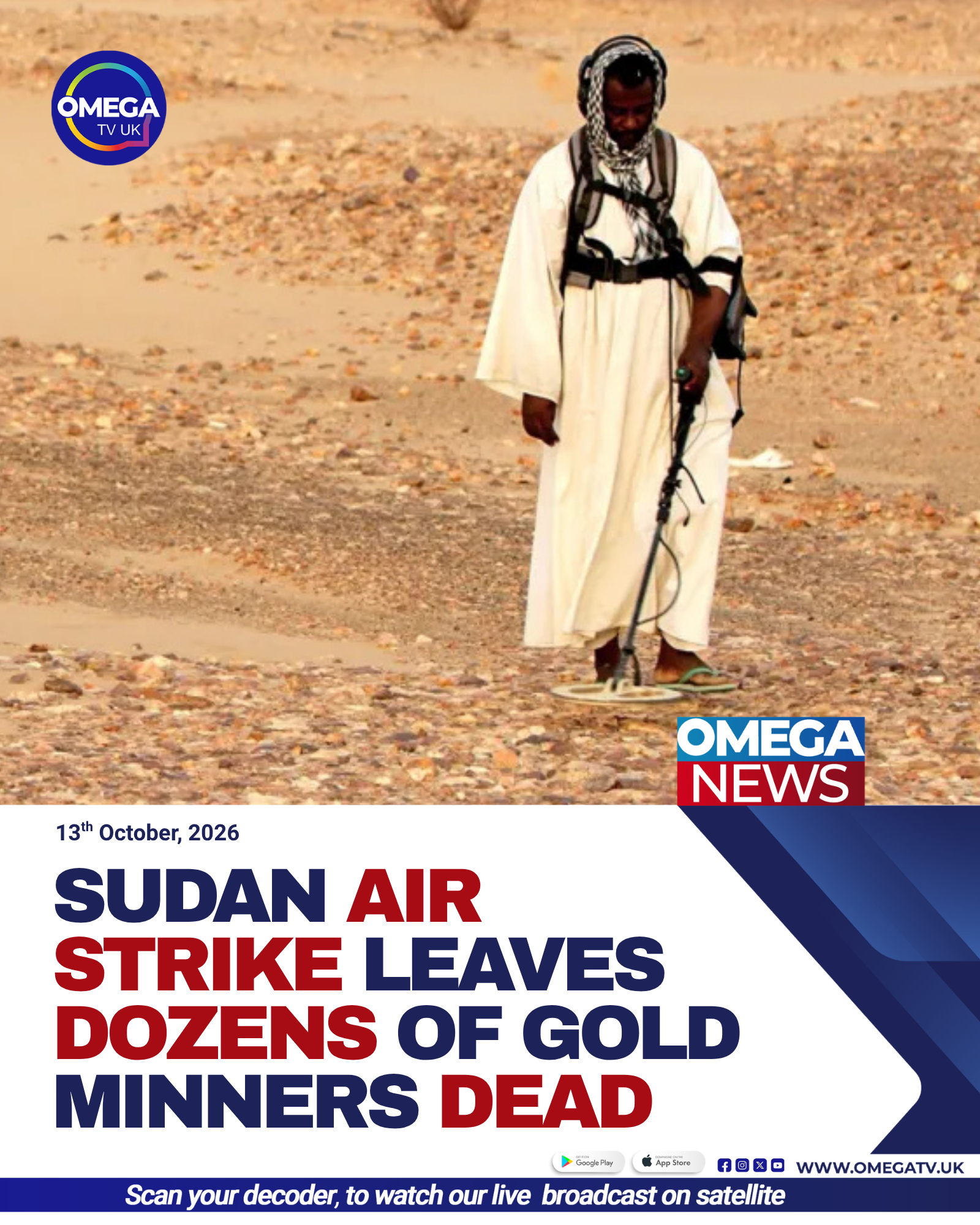
At least 72 civilians prospecting for gold have been killed in air strikes in Sudan’s Red Sea state, according to the rights group Emergency Lawyers. The group based in Khartoum said aircraft struck artisanal miners at a popular gold-mining site on Saturday. Neither the Egyptian government nor Sudan’s de facto authorities have commented on the reports of the strikes.
Emergency Lawyers said the alleged attack followed previous alleged strikes against gold prospectors near Sudan’s border with Egypt.

It described the incident as a violation of Sudan’s sovereignty and an indication of the authorities’ lack of control over the region. “The deliberate targeting of unarmed civilians violates international humanitarian law and the right to life,” the group said in a statement on Sunday. “These acts may constitute war crimes.”
The organisation noted that their death toll was provisional and could rise.
The Paris-based Sudan Tribune reported that the casualty figures could be significantly higher, citing a survivor who said many more people had been injured.
According to eyewitness accounts reported by the newspaper, the attack began at around 06:00 local time on Saturday when aircraft allegedly fired more than five missiles at miners’ camps in Shamal al-Wadi. The strikes reportedly destroyed the camps and excavation pits, with people still inside. The incident follows allegations in June that Egyptian forces have used drones and artillery against artisanal mining sites in the same region, killing several people.
The reports also describe previous incidents in which Egyptian border guards allegedly burnt mining equipment and temporary shelters, and fired live ammunition to disperse miners. Days after the alleged June incidents, Egypt’s border agency announced a sweeping security operation along the border, aimed at combating illegal migration, drug smuggling and unauthorised mining.
Sudan’s de facto leader also announced an investigation into the alleged June strikes, which were reported to have killed dozens of people.
Gold mining is a major source of tension along the border. Sudan’s ongoing civil war has contributed to an increase in artisanal mining, particularly in remote border areas, where civilians often use basic tools without authorisation.
Some gold-rich areas lie along porous borders associated with cross-border smuggling routes, and there are concerns that illegally traded Sudanese gold could provide income for armed groups and undermine Egypt’s legitimate gold market.
In June, Egypt’s border force said it had seized 86 tonnes of gold ore, alongside amateur prospecting equipment.
The latest alleged strikes illustrate the risks faced by civilians working in Sudan’s conflict-affected border regions where gold extraction, security operations and alleged smuggling continue to intersect.