Three years after Captain Ibrahim Traoré seized power in Burkina Faso, the country remains at the centre of one of Africa’s most closely watched political experiments. His rise in 2022 was framed as a break from decades of external influence, particularly from France, and a bold attempt to reclaim national sovereignty. Today, the world is still asking the same question: Is Traoré’s revolution delivering real change, or simply reshaping old challenges in new colours?
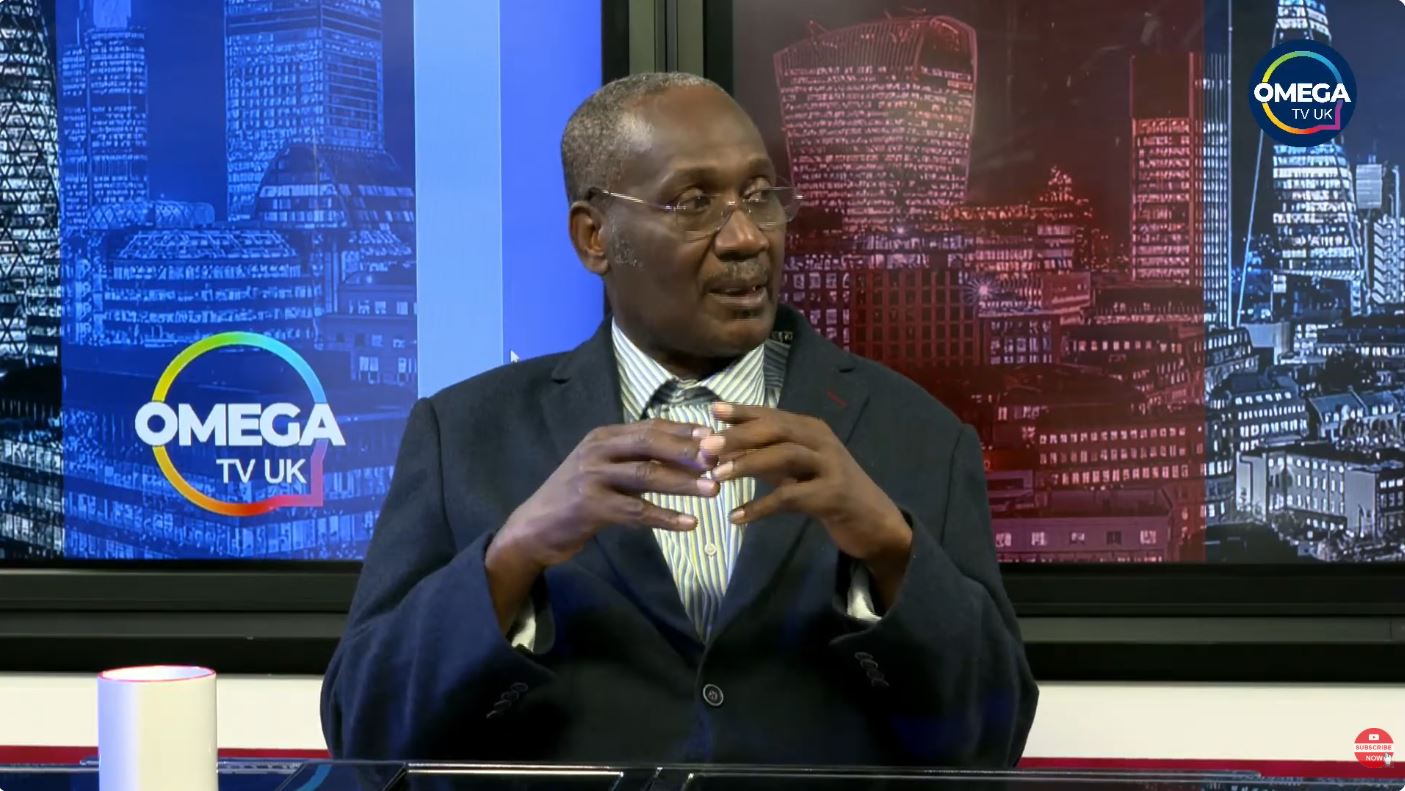
On this episode of Africa Speaks, streamed live on 13 May 2025, Steve Mulindwa unpacks the forces driving Burkina Faso’s transformation—its geopolitical realignment, its grassroots mobilisation, and the growing continental debate about what true independence looks like in the 21st century.
A New Geopolitical Gamble
Traoré’s pivot away from France toward Russia and China has sparked intense debate across Africa and beyond. Supporters see it as a long‑overdue assertion of autonomy, a rejection of unequal partnerships, and a strategic move to diversify alliances. Critics argue that shifting from one set of global powers to another may not resolve the deeper structural issues facing the country.
What is clear is that Burkina Faso has become a symbol of a broader continental shift—one where African nations are increasingly questioning traditional power dynamics and exploring new diplomatic and economic pathways.
The Power of the Streets
Mulindwa highlights a striking reality: Traoré’s popularity is not manufactured from above but fuelled by grassroots movements. From Ouagadougou to Dakar, and even in diaspora hubs like London, thousands have rallied in support of his message of sovereignty, dignity, and economic justice.
These demonstrations reflect a generational hunger for leadership that speaks directly to African frustrations—security instability, economic inequality, and the lingering shadows of colonial influence. Whether Traoré can translate this public energy into long‑term stability remains an open question.
Security, Economy, and the Road Ahead
Burkina Faso continues to face serious security threats, economic pressures, and regional tensions. Traoré’s government has promised a new model of governance rooted in self‑reliance and social equity, but the outcomes are still unfolding.
Mulindwa’s analysis invites viewers to look beyond headlines and consider the deeper implications:
• Can new alliances strengthen national security?
• Will left‑leaning economic policies deliver tangible improvements?
• How will Burkina Faso’s choices influence West Africa’s political landscape?
A Debate Africa Cannot Ignore
Traoré’s rise has become more than a national story—it is a continental conversation about sovereignty, development, and the future of African leadership. Omega TV UK remains committed to creating space for these critical debates, where diverse perspectives can be heard and examined with clarity and respect.
As the world watches Burkina Faso’s trajectory, one thing is certain: the questions raised by Traoré’s revolution will shape Africa’s political imagination for years to come.