Mark Carney Welcomes EU Push for Closer Canada Partnership Amid Trump Warning
Canadian Prime Minister Mark Carney has welcomed the European Union’s proposal to deepen ties with Canada, including the possibility of making the country the bloc’s first “associate member”.

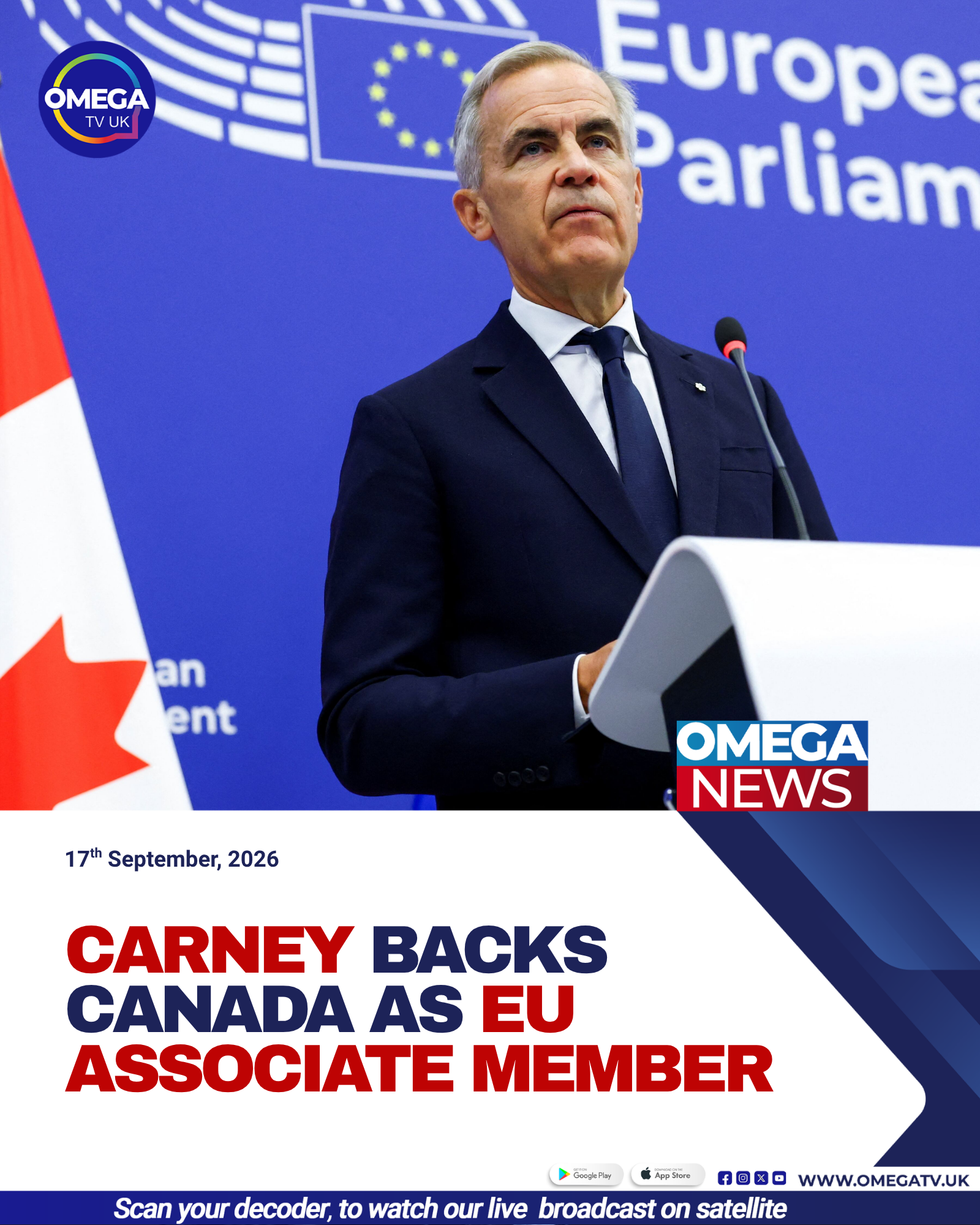
Speaking at the European Parliament in Strasbourg on Thursday, Carney said he welcomed European Commission President Ursula von der Leyen’s “ambition” for a closer relationship between Canada and the EU.
Carney had previously described Canada’s goal as a “unique alliance” with Europe rather than full EU membership. He did not formally adopt the term “associate member” in his speech, saying the substance of any future relationship would be more important than its name.
The proposed arrangement would create a new form of relationship between Canada and the 27-member bloc. The exact structure and legal status of associate membership have not yet been defined, and the proposal would require the involvement of EU member states.
Carney said closer cooperation could strengthen Canada’s position in areas including critical minerals, artificial intelligence, defence, energy security, digital trade and strategic infrastructure. He also argued that stronger Canada-EU ties could make Canada a more effective partner for the United States.
“We welcome this ambition,” Carney said, referring to von der Leyen’s proposal.
He also stressed that Canada would retain control over its own decisions and identity, saying no one would dictate the country’s culture, language or international partnerships.
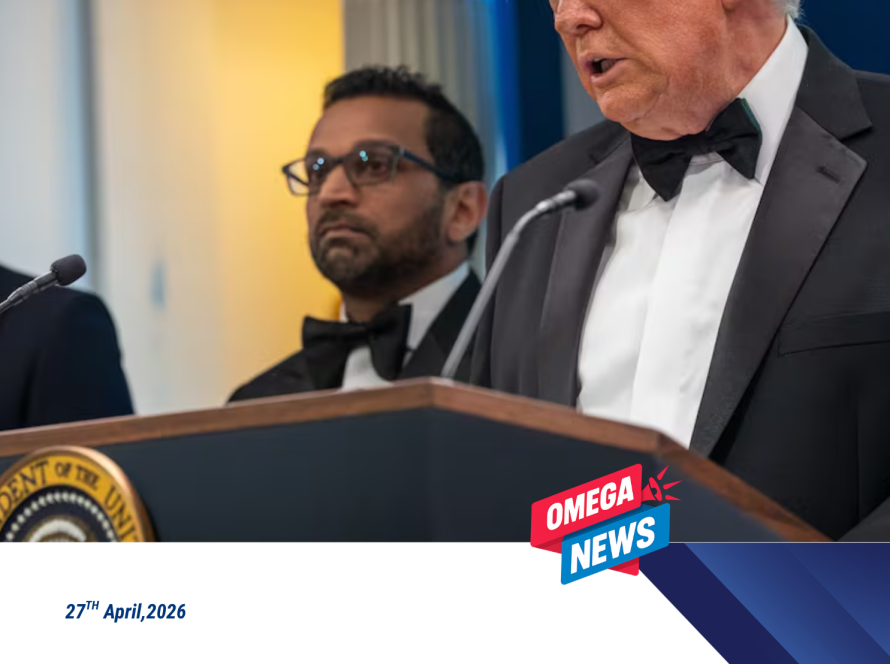
The comments came after US President Donald Trump criticised the proposal and warned that Washington could impose significant tariffs on Europe if he considered closer EU-Canada ties to be a hostile move. Trump described the idea of Canada becoming an EU associate member as “laughable”.
Carney did not directly name Trump during his European Parliament speech but emphasised Canada’s right to establish international partnerships independently.
“No one is going to dictate our culture or with whom we can strike agreements internationally,” Carney said.
The Canadian prime minister said the proposed alliance was not intended to create a new bloc against the US or China. Instead, he presented closer cooperation with Europe as a way for Canada and its partners to strengthen economic resilience and protect shared interests.
Carney outlined possible cooperation involving critical minerals, defence manufacturing, artificial intelligence and computing, energy security, space and digital payments. He also proposed deeper trade in goods and services and stronger links allowing young people to live, work and study on either side of the Atlantic.
Von der Leyen first proposed the associate-member idea during her State of the Union address on Wednesday. She said the EU and Canada shared positions on issues including democracy, artificial intelligence, climate change, the Arctic, Ukraine, defence, raw materials and supply chains.
However, the proposal remains at an early stage. Associate membership does not currently exist under EU treaties, and European diplomats have raised questions about what the status would mean in practice and whether EU governments would support it.
The initiative comes as Canada seeks to expand its economic and strategic relationships beyond the United States amid continuing trade tensions with Washington. Carney has previously said Canada wants to increase its non-US trade over the next decade.
For Canada, the proposed partnership could involve expanded cooperation with Europe on trade, energy, technology and security, while the EU sees closer ties with Ottawa as part of efforts to strengthen relationships with like-minded countries.