
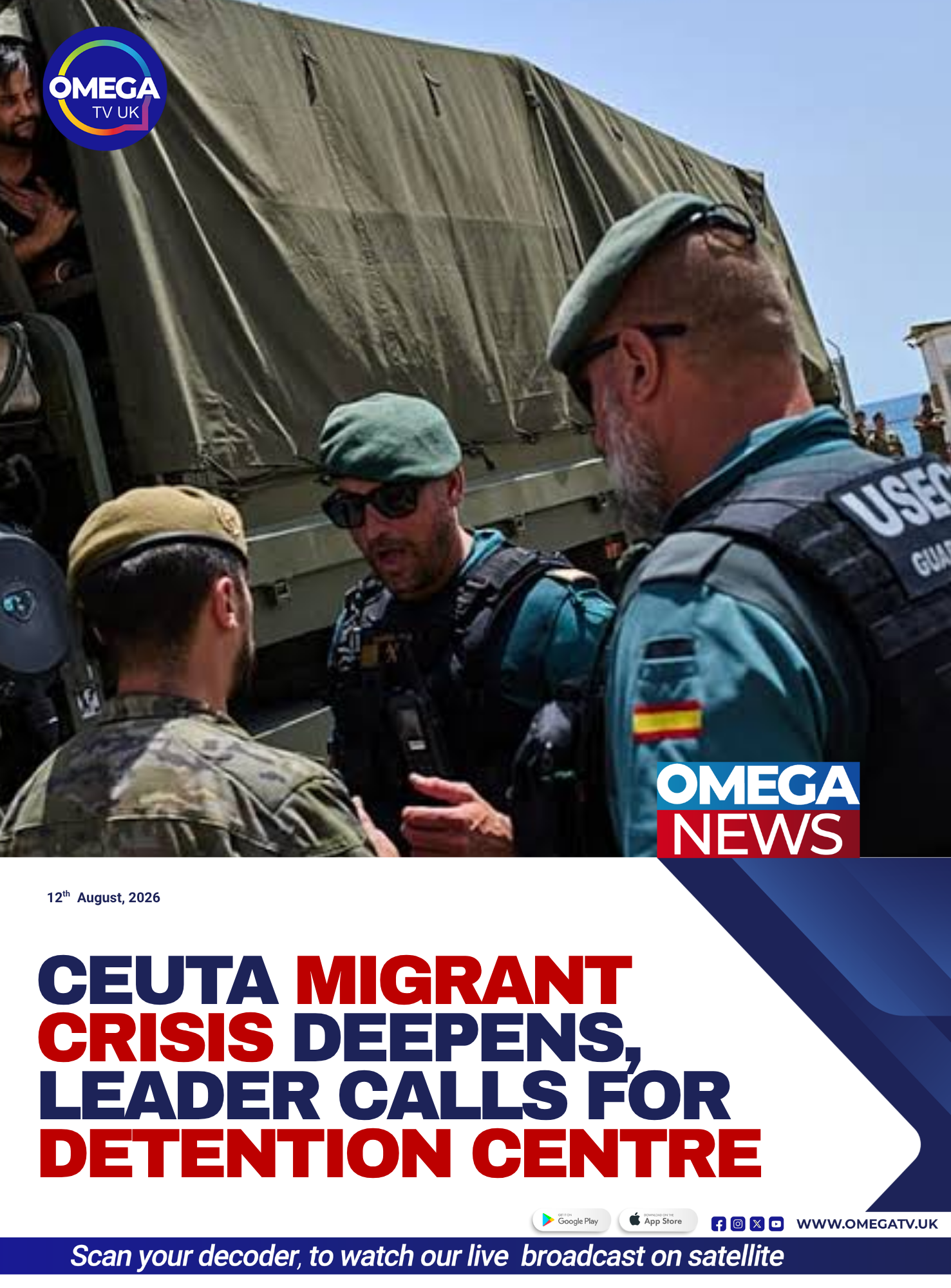
Spain faces pressure as thousands remain after mass border crossing
Spain is facing mounting pressure over the migrant situation in Ceuta after tens of thousands of people crossed from Morocco last month, leaving local authorities struggling to cope with those who remain.

Thousands remain in Ceuta
Spanish government figures indicate that around 70,000 migrants have returned to Morocco since the influx on July 30 and 31, when about 72,000 people crossed into the Spanish enclave.
However, thousands are still believed to be in Ceuta, including hundreds of unaccompanied children who cannot simply be deported.
The influx has placed significant pressure on the enclave’s ability to provide shelter, food, water and sanitation. Ceuta has a population of around 84,000.
Leader calls for detention centre
Ceuta’s conservative Popular Party leader Juan Jesus Vivas has called for an urgent detention facility for migrants awaiting removal.
Vivas described the situation as “unsustainable” and said a dedicated facility would allow authorities to keep migrants off the streets while speeding up expulsion procedures.
He estimates that between 8,000 and 11,000 migrants remain in the enclave, considerably higher than the central government’s estimate of around 2,500.
Political tensions rise
The migrant crisis has become a major political dispute between Spain’s left-wing central government and regional authorities controlled by the conservative Popular Party and far-right Vox.
Regional authorities have also resisted accepting additional unaccompanied migrant children under existing arrangements.
Thousands of Ceuta residents protested on Sunday, expressing frustration over the pressure placed on the territory’s services and security.
Madrid strengthens security
The Spanish government says it has responded by increasing police and military deployments in Ceuta.
Minister for relations with Spain’s regions Angel Victor Torres said security personnel had been reinforced, including a 40% increase in Civil Guard numbers.
He said the government’s priority remained reuniting unaccompanied children with their families.
Spain seeks European support
Spanish Foreign Minister Jose Manuel Albares visited Ceuta on Tuesday and said the integrity of the Schengen area remained protected in Ceuta and neighbouring Melilla.
He also called for greater European support for the two Spanish enclaves, highlighting their unique social and economic circumstances.
The crisis has also created wider diplomatic tensions, with Italy introducing border checks on travellers arriving from Spain. Madrid responded with similar measures.
Spain now faces the challenge of maintaining border security while meeting its legal and humanitarian responsibilities towards migrants, particularly unaccompanied children.



1 Comment