
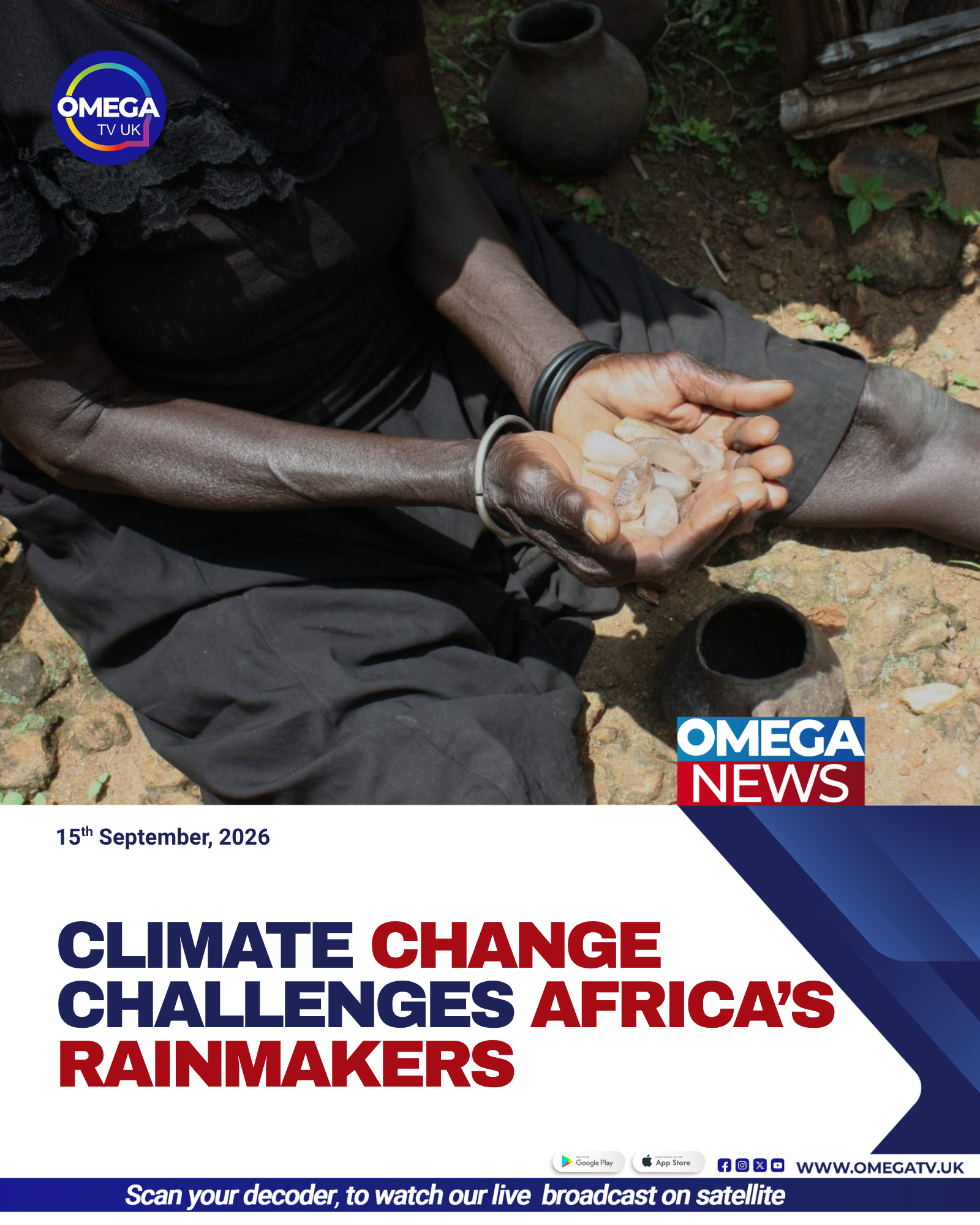
For generations, rainmakers across parts of Africa have been revered as spiritual leaders believed to influence rainfall through traditional rituals.

In eastern Uganda, where millions depend on agriculture, rain can determine whether communities enjoy a harvest or face hardship.
But increasingly unpredictable weather is putting rainmakers under growing pressure. When rains fail, some are blamed for drought, with extreme cases reported in neighbouring South Sudan.
At least two South Sudanese rainmakers have been killed in recent years. Solomon Oture was reportedly buried alive during a 2024 dry spell. In June, rainmaker Albino Lobillia was abducted and also buried alive.
Ugandan communities have not reported similar killings, although some rainmakers have faced assaults and accusations of fraud.
Rainmaking is often regarded as an inherited calling. Elder Weyusya of the Inzu ya Masaba cultural community says the practice is passed through particular clans.
Rainmakers also charge for their services, with reported fees ranging from about $13 to $260.
David Nabutsilili reportedly received $260 to prevent rain during President Yoweri Museveni’s campaign visit last year. It did not rain that day.
Some villagers continue to believe rainmakers can help their communities. Others question their claims when rituals fail.
The changing climate has made that uncertainty more difficult.
Even traditional elders acknowledge that scientists sometimes make inaccurate forecasts.
For rainmakers, however, their spiritual traditions remain central to their lives, despite growing expectations they may struggle to fulfil.


