DR Congo Ebola cases cross 8,000 as aid pledges grow
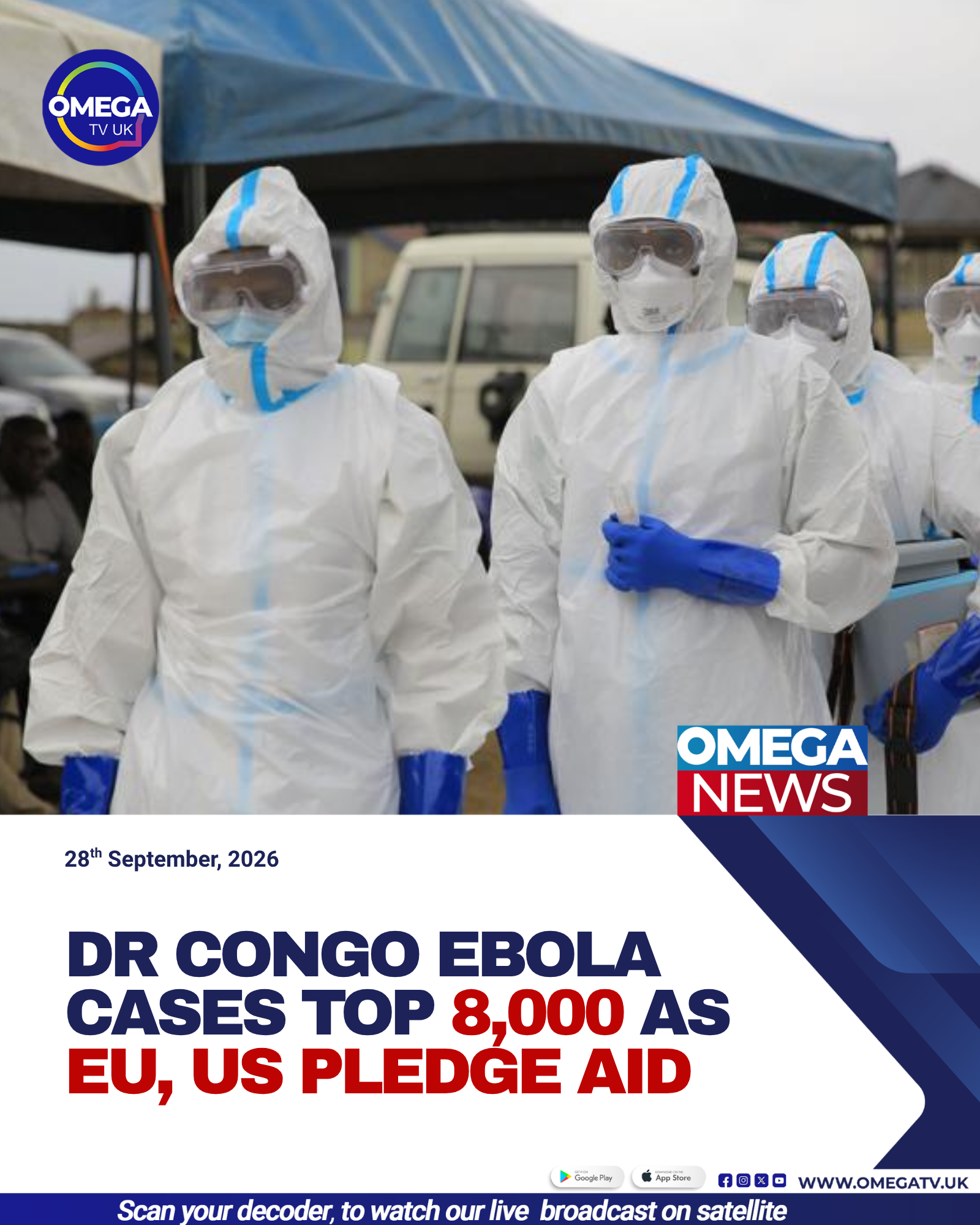
The Democratic Republic of Congo has recorded more than 8,000 confirmed Ebola cases as the country battles its largest recorded outbreak of the disease. Government figures reported on September 28 showed 8,067 confirmed cases and 3,901 deaths. The outbreak has affected 63 health zones across seven provinces.

Deadliest Ebola outbreak in DRC
The epidemic is being caused by the Bundibugyo strain of Ebola, for which there is currently no licensed vaccine or specific approved treatment. The outbreak was declared in May and has continued to spread despite efforts by Congolese health authorities and international partners. WHO says the high death rate highlights continuing difficulties with early detection, access to care and interruption of transmission.
Vaccine trials planned
The World Health Organization has been working with the DRC and research partners to develop and test vaccines specifically targeting the Bundibugyo strain. Trials of three potential vaccines are expected to begin in the DRC around October or November. Two candidate vaccines are already undergoing early-stage safety testing in the United Kingdom and Canada.
Existing vaccine under study
The DRC has also begun research involving Ervebo, the licensed Ebola vaccine used against the Zaire strain. Health workers have received the vaccine as part of studies designed to determine whether it can provide protection against Bundibugyo virus. WHO has stressed that its effectiveness against this strain in humans remains unknown and that its use should remain within research protocols.
Frontline workers targeted
Doctors Without Borders and other partners are supporting studies involving frontline health workers as authorities seek evidence on whether Ervebo can offer cross-protection. The research is being conducted alongside broader measures including surveillance, contact tracing, infection prevention and clinical care.
EU announces €7.5 million
The European Union has announced €7.5 million in additional assistance for the DRC’s Ebola response. The European Commission said the funding will support immediate efforts against the outbreak while also strengthening long-term preparedness, response capacity and health surveillance. The announcement formed part of a wider package of almost €710 million for displaced communities and crisis relief across Africa and elsewhere.
US pledges $267 million
The United States has also announced an additional $267 million in health and humanitarian assistance for the Ebola response. The funding will support treatment units, safe burial teams, protective equipment, disease surveillance, medical supplies and contact tracing. The new commitment brings total US health and humanitarian assistance for the outbreak to about $887 million, according to the State Department.
International funding remains critical
The new pledges come as health agencies call for greater international support to contain the epidemic. Reuters reported that US officials were seeking additional commitments from other countries, with a broader funding target of $2 billion for the response, mainly in the DRC.
Response faces major challenges
The outbreak continues to place pressure on the DRC’s health system, particularly in areas where insecurity, population movement and difficult access make contact tracing and treatment more difficult. WHO has warned that sustained surveillance, cross-border coordination and community engagement remain essential to limiting further spread.
Research and response continue
With thousands of confirmed cases and deaths already recorded, authorities are combining emergency public health measures with clinical research into vaccines and treatments. International financial support from the EU, US and other partners is expected to remain important as the DRC works to bring the outbreak under control.