IMF Raises Africa Growth Forecast, Warns on Aid Cuts
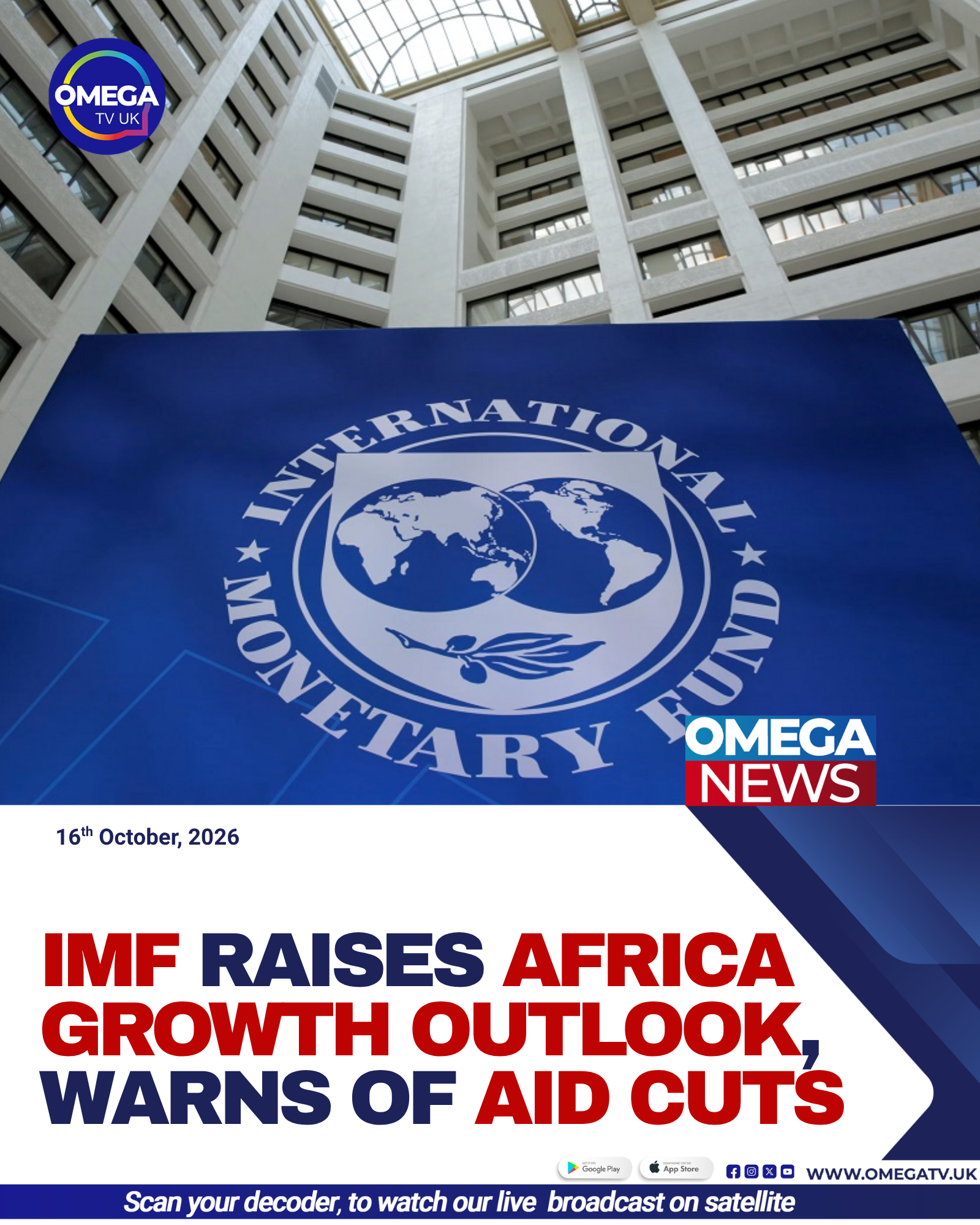
The International Monetary Fund has raised its African growth forecast to 4.5% this year, but warns that declining foreign aid could leave economies exposed to future global shocks.

Growth outlook improves despite risks
The IMF expects Africa’s economic growth to reach 4.5% in 2026 and accelerate to 5% in 2027. However, development assistance to the continent fell sharply last year and is projected to decline by a further 12% this year, according to Zeine Zeidane, head of the IMF’s Africa department.
Speaking at IMF and World Bank meetings in Bangkok, Zeidane warned that reduced aid leaves countries with limited capacity to respond to further crises. Potential threats include renewed energy supply disruptions, increased global financial uncertainty and a strong El Niño weather pattern.
Ongoing conflicts and insecurity also threaten economic progress and food security in parts of the continent.
Mineral wealth offers opportunities
Despite these risks, several African countries have introduced reforms to strengthen their economies. Others are benefiting from rising prices for critical minerals used in advanced technologies, including artificial intelligence.
The IMF has encouraged governments to manage these revenues carefully and use them to diversify their economies rather than rely heavily on natural resource exports.
Guinea’s Economy, Finance and Budget Minister, Mariama Cire Sylla, highlighted a railway project connecting the Simandou iron ore mines to the coast as part of the country’s long-term economic transformation plans.
Although Guinea possesses significant mineral resources, around half its population lives in poverty. Sylla said the challenge was to use mining revenues to develop other industries, attract investment and create new sources of economic growth.
Countries seek greater control of resources
Burkina Faso’s Finance Minister, Aboubakar Nacanabo, said African countries must capture more value from strategic resources such as gold, cobalt and copper.
Burkina Faso has opened its first gold refinery as its military-led government pursues greater economic independence. Other West African countries are also changing mining policies, restricting raw mineral exports and increasing state participation in the sector.
Guinea and Ghana have recently restricted gold exports, while Mali is developing a refinery with Russia’s Yadran Group. Ivory Coast has also announced plans to open a gold refinery next year.
Nacanabo said building domestic value chains could create more opportunities for young people instead of allowing countries to depend primarily on exporting raw materials.
IMF highlights AI’s growth potential
The IMF also sees artificial intelligence as a potential driver of Africa’s long-term economic development. Zeidane said wider adoption and adaptation of AI could increase economic growth by more than 4% over the next decade, according to the fund’s estimates.
He pointed to agriculture, education, healthcare and government services as sectors where AI could help improve productivity and service delivery.
However, the IMF cautioned that Africa’s economic outlook remains vulnerable to external shocks. The continent’s ability to sustain growth will depend partly on how governments manage declining aid, invest resource revenues and develop more diversified economies.