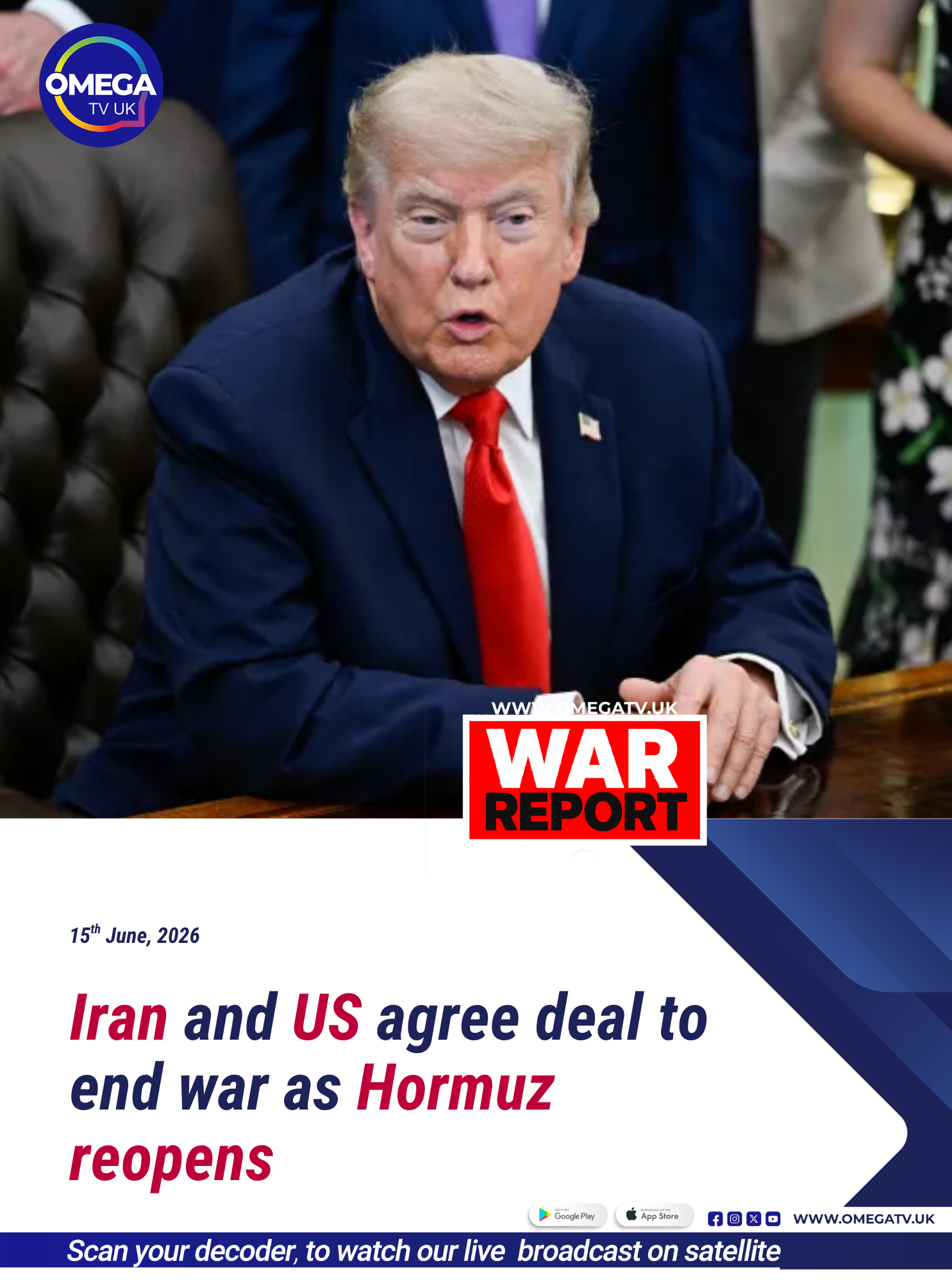
The United States and Iran have reportedly agreed to a deal aimed at ending months of escalating conflict in the Middle East, with mediators from Pakistan announcing that the agreement is expected to be formally signed on Friday in Switzerland.

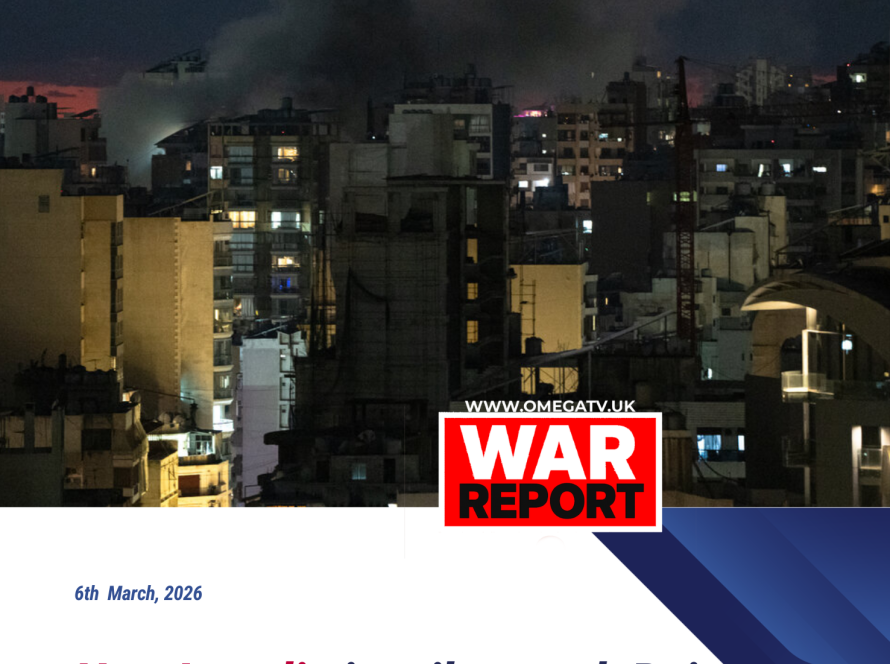
The breakthrough comes after weeks of military confrontations, airstrikes and rising fears of a wider regional war involving several countries across the Gulf and the Middle East.
Donald Trump confirmed the development in a post on social media, announcing that the strategically vital Strait of Hormuz would be reopened and that the United States would end its naval blockade of Iran.
“Let the oil flow!” Trump wrote as global markets reacted positively to the news. Oil prices reportedly dropped following the announcement amid expectations that shipping routes and energy supplies could soon stabilize after months of uncertainty.
The Strait of Hormuz remains one of the world’s most critical oil transit routes, carrying a significant percentage of global oil and gas exports. The conflict and blockade had severely disrupted shipping in the region, triggering fears over energy shortages and rising fuel prices worldwide.
Iranian officials also confirmed progress toward a peace agreement. Iran’s deputy foreign minister stated on state television that a deal had been reached, while the country’s military leadership described the outcome as a victory for Tehran after months of confrontation with the United States and its allies.
According to Pakistani mediators, the agreement includes provisions aimed at ending military operations in Lebanon, where fighting linked to the broader regional conflict had intensified in recent months.
However, Israel indicated that its military forces would remain active in Lebanon despite the broader agreement between Washington and Tehran.
While details of the agreement have not yet been fully released, international observers say the deal could help reduce economic pressure caused by the war and ease growing instability throughout the Middle East.
The conflict officially began on February 28 after joint US and Israeli strikes targeted locations across Iran. Tehran responded with attacks on Israel and several Gulf states allied with Washington, leading to a dangerous escalation that threatened global shipping routes and regional security.
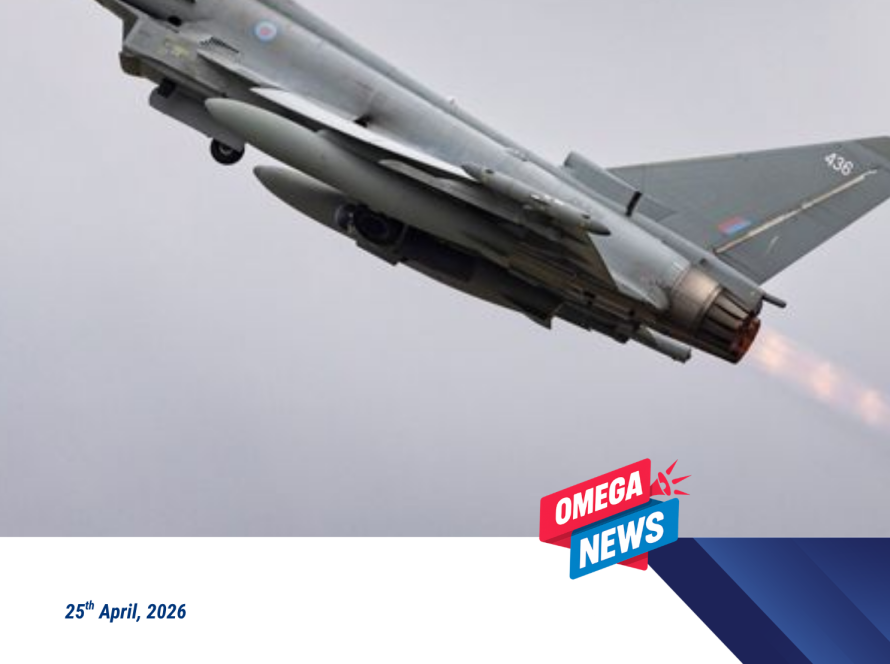
Over the course of the conflict, the United States intensified military operations in the Gulf, including naval blockades and strikes targeting vessels accused of transporting Iranian oil. Several commercial ships were damaged during the crisis, while tensions around the Strait of Hormuz raised fears of a prolonged global energy crisis.
Diplomatic efforts led by Pakistan and other international mediators have reportedly been ongoing behind the scenes for weeks in an attempt to prevent the conflict from expanding further across the region.
Despite optimism surrounding the deal, analysts caution that major disagreements between the US and Iran may still remain unresolved. Questions surrounding Iran’s regional influence, military activities and long-term security arrangements are expected to continue shaping relations between the two countries.
Still, the announcement marks one of the biggest diplomatic developments in the Middle East this year and could significantly reduce tensions if both sides fully implement the agreement.
Global leaders are expected to closely monitor Friday’s planned signing in Switzerland, which could determine whether the region moves toward stability or risks falling back into renewed conflict.