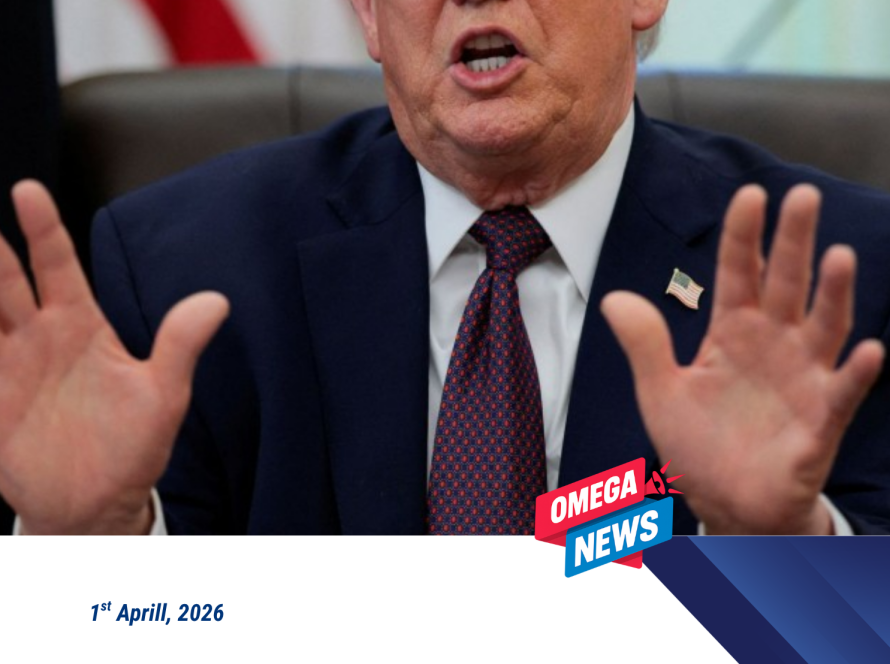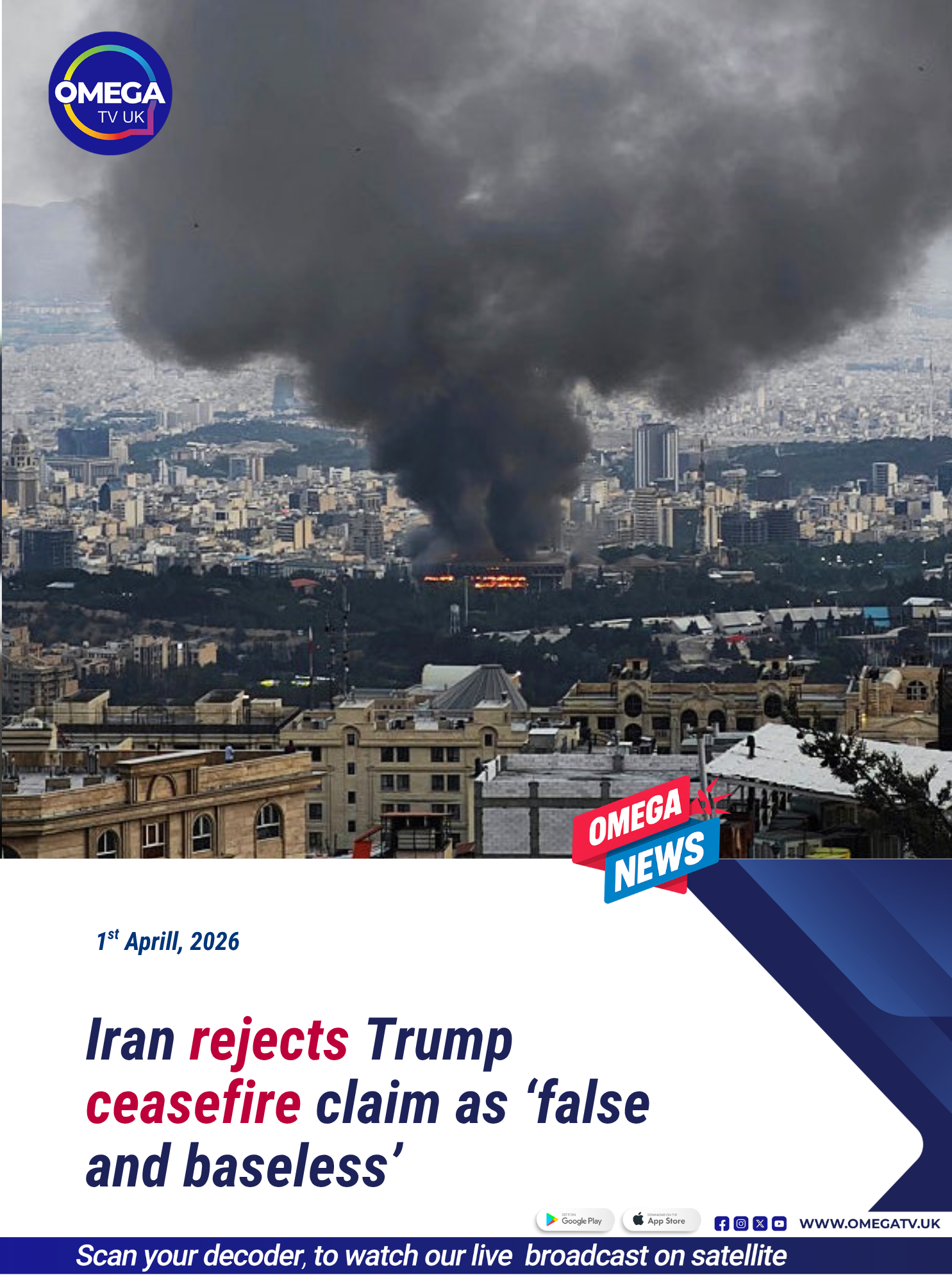
Iran has strongly denied claims by Donald Trump that it had requested a ceasefire in the ongoing conflict, calling the assertion “false and baseless” as tensions in the region continue to rise.
According to Iran’s foreign ministry, there has been no such request made to the United States, contradicting Trump’s earlier statement on social media. In a post on Truth Social, the US president claimed that Iran’s “new regime president” had reached out seeking a ceasefire, although he did not clarify who he was referring to. The lack of detail has added to the confusion surrounding the claim and raised questions about its credibility.
Iranian officials quickly dismissed the statement, with state media reporting that Tehran considers the remarks to be unfounded and misleading. The denial comes at a time when both sides continue to exchange strikes, and diplomatic efforts to end the conflict remain uncertain.
Trump, meanwhile, outlined conditions under which the US might consider halting military action. He said a ceasefire would only be possible if the Strait of Hormuz is reopened and secured. The key shipping route, which typically carries a significant portion of the world’s oil supply, has been heavily disrupted by the conflict, contributing to global economic concerns.
In the same statement, Trump used stark language to describe ongoing military operations, warning that the US would continue its offensive until its objectives are achieved. His comments have further heightened tensions and drawn scrutiny from both allies and critics, who are closely watching for signs of escalation or a potential shift toward diplomacy.
The dispute over the alleged ceasefire request highlights the broader uncertainty surrounding the conflict. While there have been occasional signals suggesting a willingness to de-escalate, these have often been overshadowed by continued military action and conflicting narratives from both sides.
Beyond the immediate conflict, Trump also indicated that he is considering withdrawing the United States from NATO. However, such a move would face significant legal and political hurdles. A law passed in 2023 limits the president’s ability to unilaterally exit the alliance, meaning any withdrawal would likely require congressional approval.
The possibility of a US departure from NATO has raised concerns among Western allies, particularly at a time when global security challenges are intensifying. Analysts warn that such a move could weaken collective defence arrangements and shift the balance of power internationally.
In Europe, diplomatic efforts are underway to address the crisis. UK Prime Minister Keir Starmer has announced that Britain will host a meeting involving dozens of countries to discuss the situation in the Strait of Hormuz and broader regional stability. The talks are expected to focus on securing maritime routes and reducing the risk of further escalation.
Meanwhile, developments on the ground continue to unfold rapidly. Reports of new strikes in both Iran and Israel indicate that hostilities remain intense. In Lebanon, the number of people reported killed has surpassed 1,300, underscoring the human cost of the conflict and its widening impact across the region.
Global markets have also reacted to the ongoing uncertainty. Oil prices, which had surged amid fears of prolonged disruption, have recently fallen back below $100 per barrel. While this offers some temporary relief, analysts caution that prices remain volatile and could rise again if the situation deteriorates.
As conflicting claims and shifting narratives continue to emerge, the path toward resolution remains unclear. Iran’s firm denial of Trump’s ceasefire assertion adds another layer of complexity to an already volatile situation, leaving the international community watching closely for any signs of a breakthrough or further escalation.