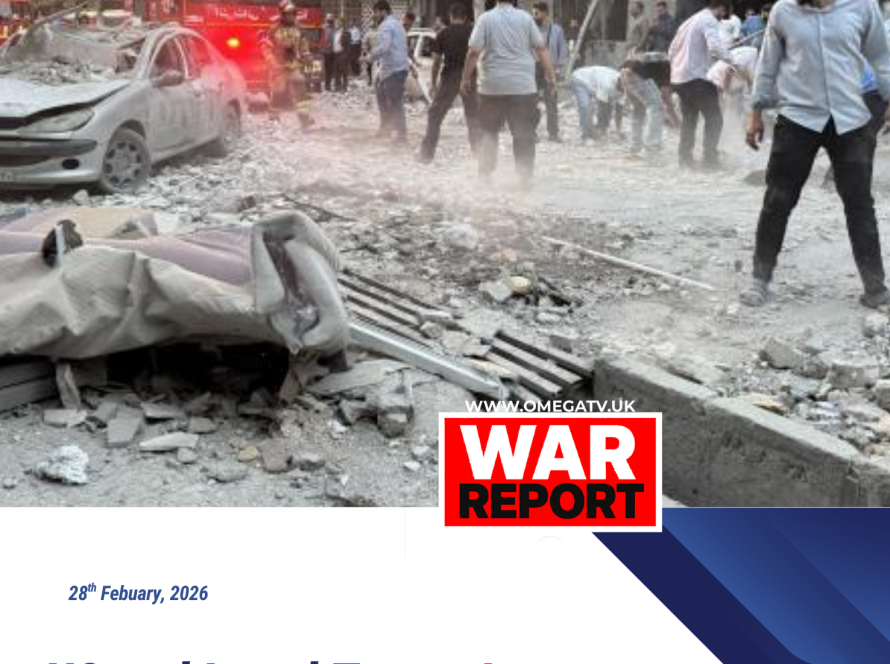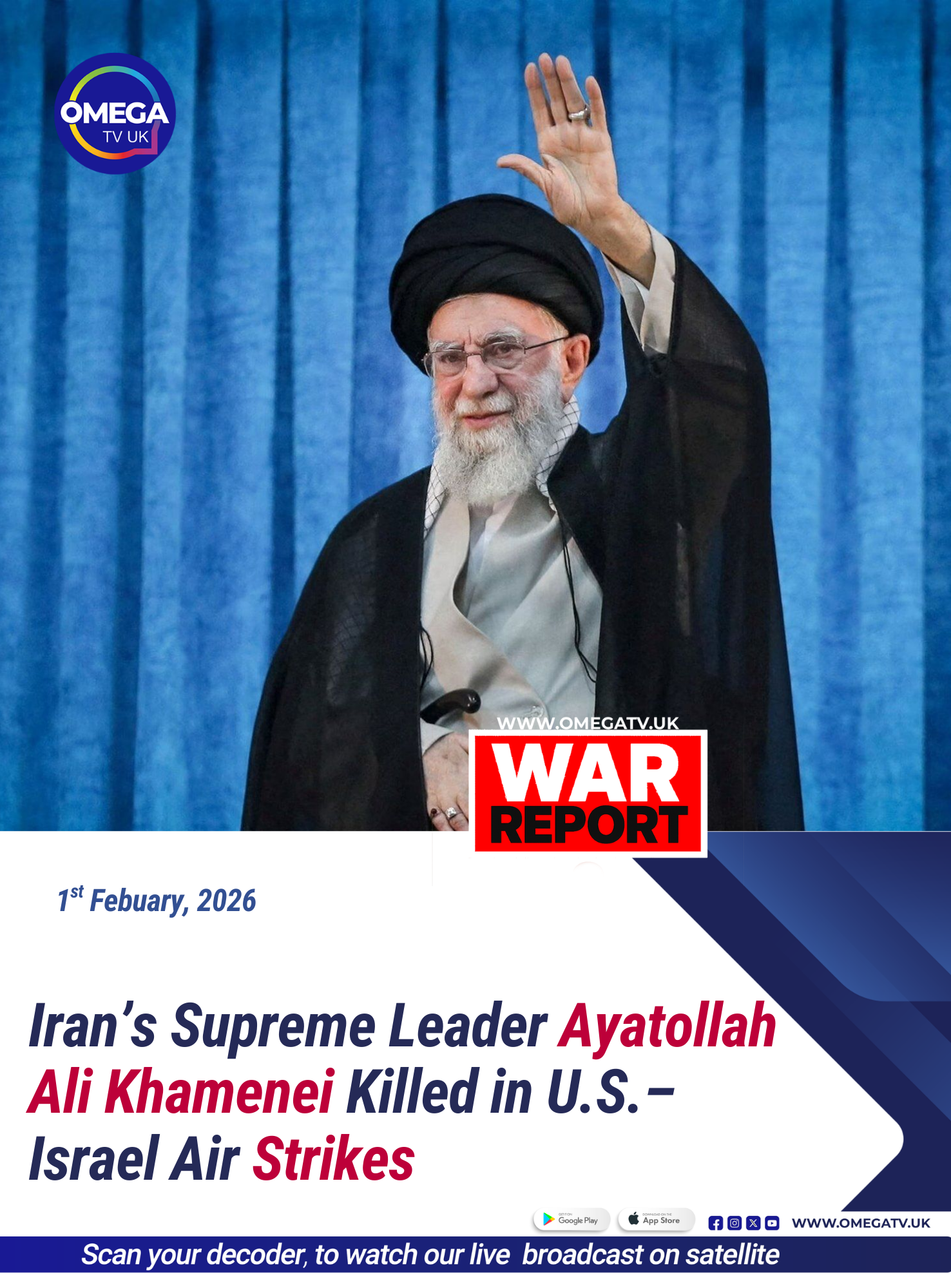
Ayatollah Ali Khamenei, Iran’s supreme leader for more than three decades, has reportedly been killed during large-scale U.S. and Israeli air strikes, according to announcements attributed to U.S. President Donald Trump and later confirmed by Iranian state television.
Khamenei, 86, was one of the world’s longest-serving heads of state and only the second supreme leader since Iran’s 1979 Islamic Revolution. The position grants sweeping authority, making the supreme leader head of state and commander-in-chief of the armed forces, including the elite Revolutionary Guards.
Born in 1939 in Mashhad to a religious family, Khamenei became involved in opposition to the Shah before the revolution. He was arrested multiple times and later rose through the ranks after Ayatollah Ruhollah Khomeini came to power. In 1989, following Khomeini’s death, Khamenei was selected by the Assembly of Experts to become supreme leader.
Over the years, he consolidated influence across Iran’s political, military and judicial institutions. While not a dictator in structure, he possessed the authority to veto public policy and shape electoral outcomes. His leadership spanned the Iran–Iraq War, decades of tension with the United States, disputes over Iran’s nuclear programme, and repeated domestic unrest.
Under his rule, Iran faced heavy international sanctions and deepening regional rivalries, particularly involving Israel and U.S. interests. At home, protests were frequently met with force, drawing criticism from human rights groups.
His reported death marks a major turning point for Iran and the wider Middle East. With no immediate clarity on succession, the country faces a period of uncertainty as political, clerical and military factions navigate the transition of power.