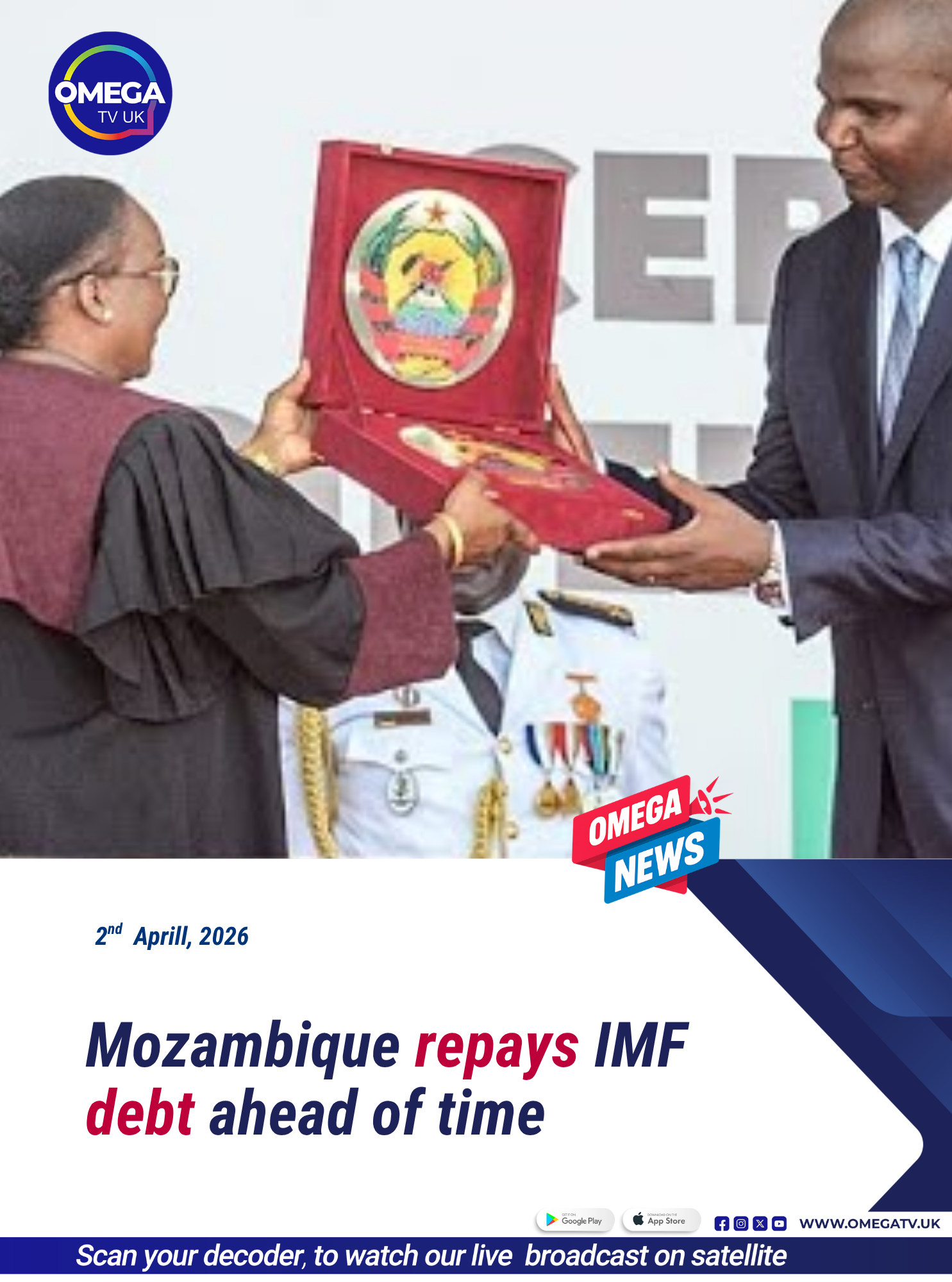
Mozambique has taken a significant step in reshaping its economic outlook by fully repaying its debt to the International Monetary Fund ahead of schedule, clearing more than $630 million and eliminating its outstanding obligations years before the original deadline.
At the beginning of March, Mozambique still owed over $515 million in Special Drawing Rights (SDRs), the IMF’s unit of account. However, by the end of the month, that balance had been reduced to zero, marking a rare and notable achievement. Among dozens of countries with IMF credit obligations during the same period, Mozambique stood out as the only nation to fully settle its debt.
The early repayment is widely viewed as a strategic move that could significantly strengthen the country’s financial standing and credibility on the global stage. By clearing its obligations ahead of time, Mozambique signals improved fiscal discipline and a commitment to stabilising its economy—factors that are likely to influence future negotiations with international lenders and investors.
This development comes against the backdrop of a previously agreed IMF programme approved in 2022, which was intended to support Mozambique’s economic reforms and provide financial assistance. However, that programme was suspended in 2025 after only part of the funding had been disbursed, leaving uncertainty over the country’s access to continued support.
With the debt now fully repaid, Mozambique is in a stronger position to reopen discussions with the IMF about a potential new programme. Such an agreement could help the government address ongoing economic challenges, including inflation, fiscal pressures and the need for sustainable growth. Talks between the two sides are already underway, with expectations that a renewed partnership could focus on strengthening economic resilience and improving public financial management.
Although Mozambican officials have not yet issued detailed public statements on the repayment, analysts see the move as a calculated effort to rebuild trust with international financial institutions. Clearing the debt removes a significant burden and may pave the way for fresh funding opportunities, concessional loans, or technical assistance aimed at supporting long-term development goals.
Mozambique’s economy remains heavily reliant on agriculture, natural resources and foreign investment, making it vulnerable to external shocks such as fluctuating commodity prices and global economic instability. Despite recent progress, the country continues to face deep structural challenges, including high poverty levels and limited infrastructure in rural areas.
An estimated 60 to 65 percent of the population lives below the national poverty line, with the situation particularly severe outside urban centres. This reality underscores the importance of sustained economic reforms and targeted investments to improve living standards and reduce inequality.
The early repayment of IMF debt could help Mozambique attract greater investor confidence, as it demonstrates a willingness to meet financial obligations and manage public finances responsibly. It may also improve the country’s creditworthiness, potentially lowering borrowing costs in future engagements with international markets.
At the same time, experts caution that clearing the debt is only one step in a broader journey toward economic stability. Continued reforms, effective governance and strategic use of resources will be essential to ensure that the benefits of this achievement translate into tangible improvements for the population.
The government is expected to use this momentum to strengthen its economic policies and pursue new partnerships that can drive growth and development. By positioning itself as a more reliable and disciplined borrower, Mozambique aims to secure the support needed to address its ongoing challenges and unlock new opportunities.
As discussions with the IMF continue, the country’s early debt repayment stands as a milestone that could reshape its financial future. Whether it leads to sustained economic progress will depend on how effectively Mozambique builds on this achievement and navigates the complex economic landscape ahead.