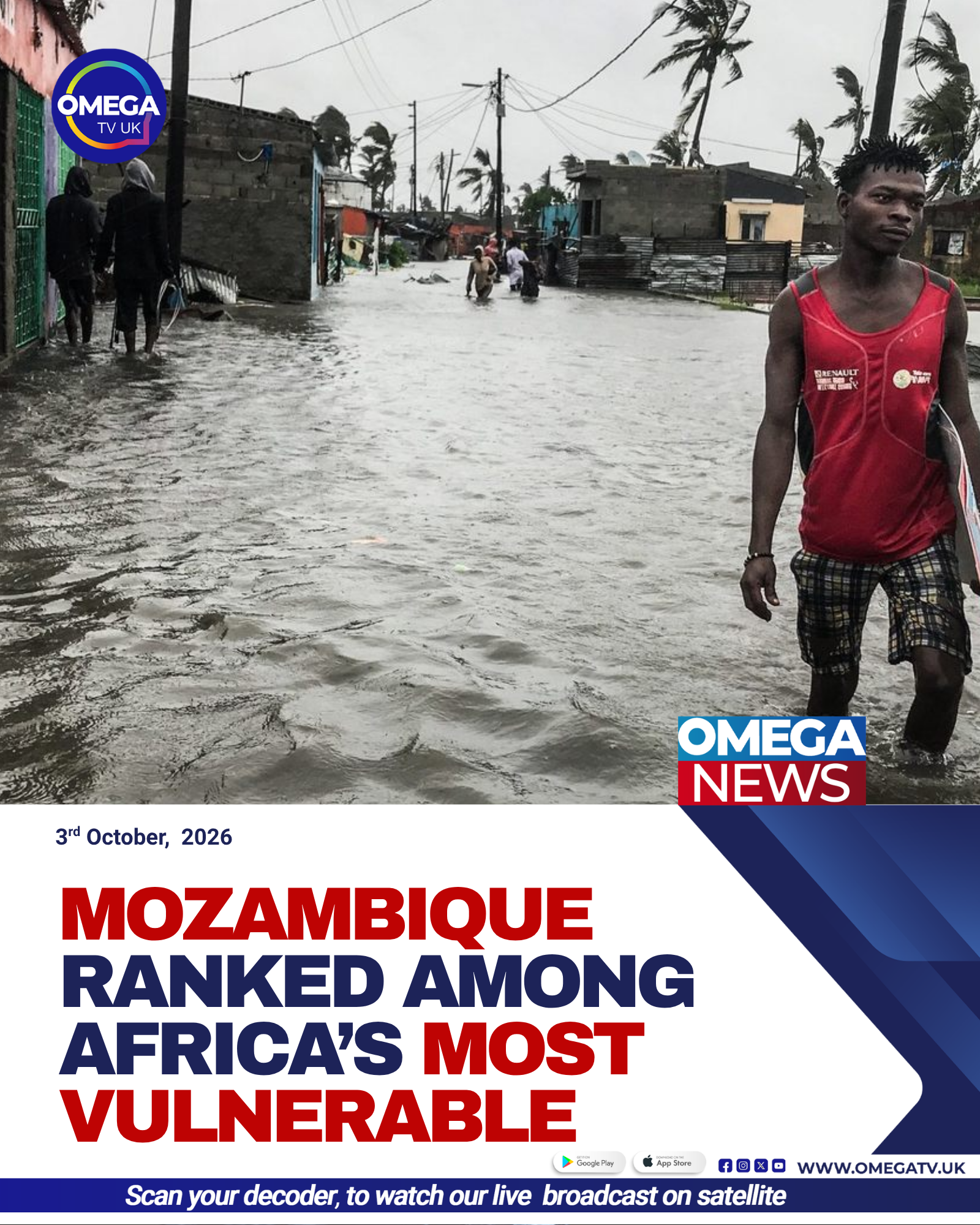
Mozambique among Africa’s most vulnerable to El Niño
Mozambique has been identified as one of the African countries most vulnerable to the impacts of the expected 2026 El Niño, as the weather pattern threatens to intensify drought, heat and other climate-related risks across Southern Africa. UN agencies say the coming months require early preparation as El Niño strengthens.

Drought and floods threaten Mozambique
The expected El Niño could bring below-normal rainfall and drought conditions to central and southern Mozambique, while northern areas could face increased flooding. FAO and the World Food Programme have warned that the impacts could affect agriculture, livestock, water availability and livelihoods.
Climate vulnerability remains high
Mozambique is already highly exposed to extreme weather, including cyclones, floods and droughts. UN agencies say repeated climate shocks have placed additional pressure on communities and weakened their ability to cope with new emergencies.
Food insecurity adds to concerns
The potential El Niño impacts come as Mozambique continues to face serious humanitarian and food-security challenges. Poor rainfall and climate shocks can reduce crop production, damage livelihoods and increase pressure on already vulnerable households.
Previous El Niño caused major losses
Southern Africa experienced a severe El Niño-induced drought in 2023 and 2024, affecting millions of people and their livelihoods. Mozambique was among the countries that experienced severe drought impacts and increased food insecurity during that period.
Early action already underway
Mozambique has activated parts of its national anticipatory-action framework to prepare for the expected weather impacts. Measures include early warnings, drought-tolerant seeds, advance cash transfers, livestock support and improvements to water collection.
Climate risks extend across Southern Africa
Mozambique is not facing the threat alone. Countries across Southern Africa are preparing for possible droughts, floods and food-security pressures as El Niño strengthens. UN agencies have urged governments and humanitarian organisations to act before the most severe impacts emerge.
Vulnerable communities face greatest impact
Smallholder farmers, pastoral communities and households dependent on rain-fed agriculture are particularly exposed to changes in rainfall and water availability. Reduced harvests could also increase food prices and worsen existing food insecurity.
UN urges stronger climate action
The UN has repeatedly called for greater investment in early-warning systems, climate adaptation and resilience in countries that face severe climate risks despite contributing relatively little to global emissions. Mozambique’s exposure to repeated climate shocks has made preparedness a key priority.
Window for preparation remains
The UN says the strengthening El Niño provides a limited opportunity for governments and humanitarian organisations to prepare before impacts become more severe. Forecasts indicate that the most significant agricultural and food-security effects could emerge later in 2026 and into 2027.