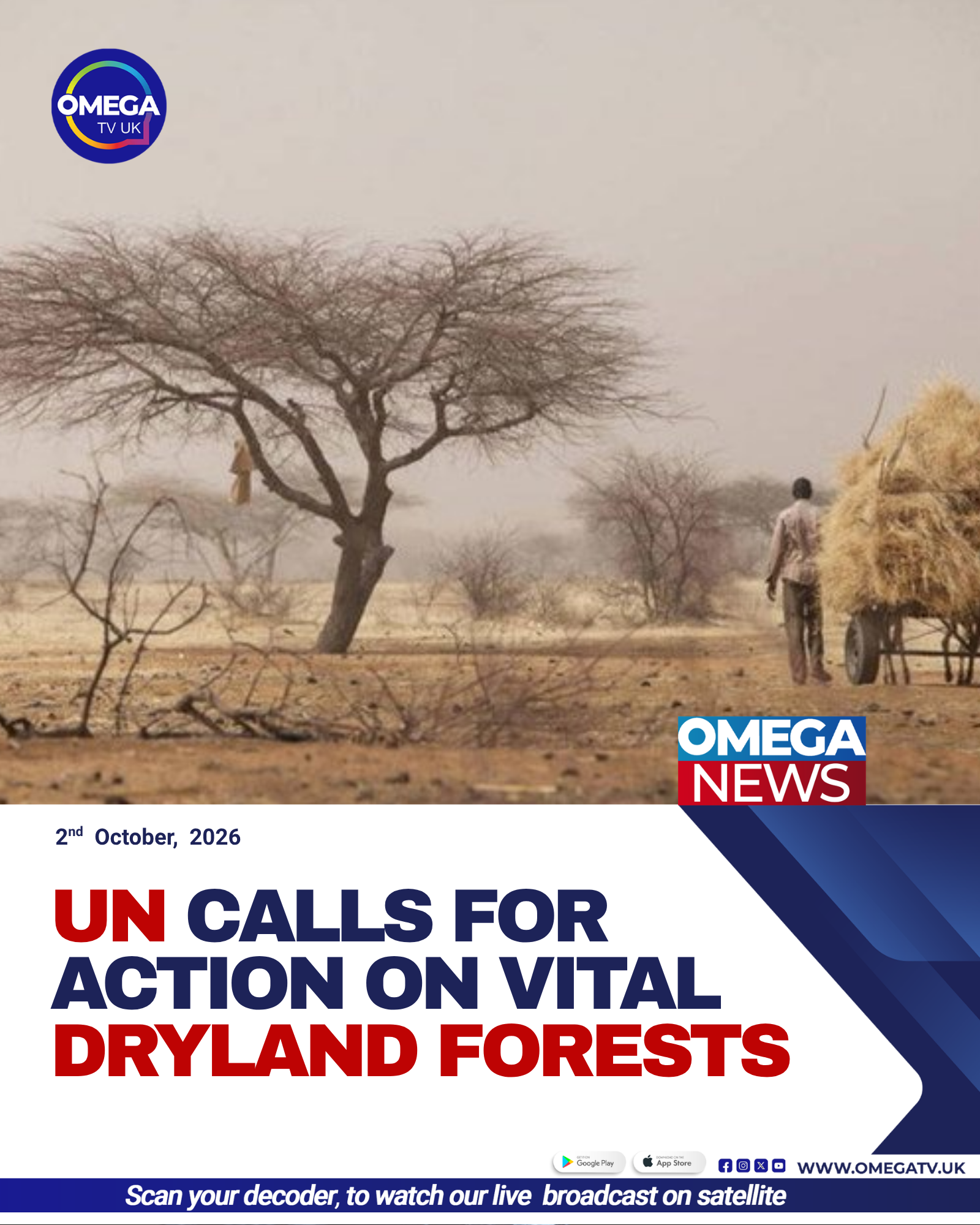
UN calls for action to protect vital dryland forests
The Food and Agriculture Organization of the United Nations has called for stronger global action to protect and restore dryland forests, which support the livelihoods, food security and cultural identity of more than two billion people. The call was launched during the 10th World Forest Week in Rome.

Drylands cover 41 percent of land
Drylands are areas affected by water scarcity and cover about 41 percent of the world’s land surface. They contain an estimated 1.1 billion hectares of forest, representing 27 percent of global forest area.
Forests provide vital resources
Dryland forests and trees provide communities with wood, fuel, fodder, wild foods and medicinal plants. They also help protect soils and water resources while supporting livestock, agriculture and rural incomes, particularly during periods when crops fail.
Ecosystems face growing pressure
FAO says dryland forests face increasing pressure from land-use change, agricultural expansion, urbanisation and unsustainable resource extraction. Climate change is adding to these challenges through more frequent and intense droughts and increasing water stress.
FAO urges greater investment
FAO Director-General QU Dongyu said dryland forests remain underrecognised, under-monitored and under-financed. He called for greater investment and stronger action to ensure these ecosystems can continue supporting communities and future generations.
New support platform proposed
The Call to Action proposes a Dryland Forest Support Accelerator, a country-led platform designed to connect governments with finance, technical expertise and knowledge. The initiative would help countries move beyond fragmented projects and scale up approaches that have already shown results.
Focus on national planning
The proposed accelerator would help governments integrate dryland forests into national climate, biodiversity and land policies. This includes national climate commitments and land degradation neutrality targets, while also strengthening monitoring and coordination between sectors.
Three areas of action
The initiative would focus on gathering evidence and identifying country needs, supporting the implementation and expansion of proven approaches, and documenting results and lessons to guide future action. FAO says this would help strengthen country-led efforts at scale.
Call for global recognition
FAO is also urging governments, donors and international environmental agreements to give dryland forests greater political and financial priority. The organisation is calling for their formal recognition as a priority ecosystem under the United Nations Convention to Combat Desertification.
Action needed to protect livelihoods
The latest call comes as FAO continues to highlight restoration and sustainable land management as important tools for strengthening food systems, livelihoods and climate resilience. The organisation says greater investment in dryland forests can help protect both ecosystems and the millions of people who depend on them.