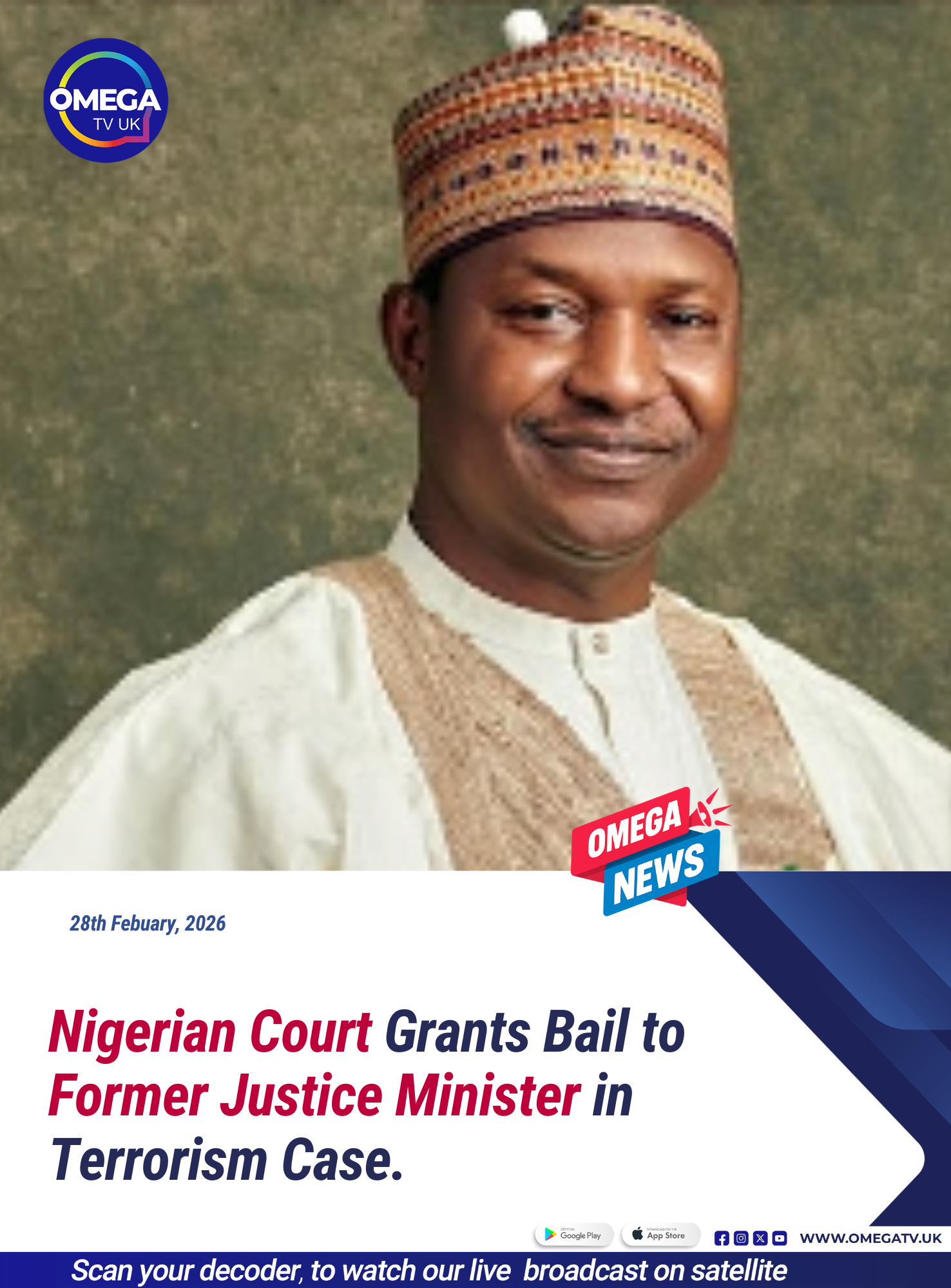
A court in Nigeria has granted bail to a former justice minister facing terrorism-related charges, marking a significant development in a case that has drawn national and international attention.The former minister, whose trial is ongoing, was released under strict bail conditions set by the court. According to judicial sources, the conditions include the surrender of travel documents, restrictions on movement and the provision of sureties to guarantee court appearances.
Prosecutors allege that the former official had links to individuals or groups accused of financing or supporting activities deemed as acts of terrorism under Nigerian law. The defense team has strongly denied the allegations, describing the charges as politically motivated and lacking substantive evidence.
The court emphasized that the bail decision does not amount to an acquittal but reflects the principle that an accused person is presumed innocent until proven guilty. Legal analysts note that bail in high-profile terrorism cases is often closely scrutinized, particularly given Nigeria’s ongoing security challenges.
Nigeria continues to confront threats from extremist groups and armed factions operating in various regions of the country. Counterterrorism efforts remain a top priority for the government, with authorities frequently prosecuting individuals accused of providing financial or logistical support to militant organizations.
Supporters of the former minister welcomed the court’s decision, stating that it reinforces confidence in the judicial process and upholds constitutional rights. Meanwhile, critics argue that the seriousness of terrorism allegations requires a cautious and transparent legal process to maintain public trust.
Human rights advocates have called for a fair and open trial, urging the judiciary to ensure that due process is strictly followed. They stress that terrorism-related prosecutions must balance national security concerns with respect for civil liberties.
The case has intensified public debate about governance, accountability, and the politicization of security-related charges in Nigeria. Observers say the outcome of the trial could have broader implications for political figures facing similar accusations.
Authorities have assured the public that investigations are ongoing and that the prosecution will present its evidence during trial proceedings. The next court hearing is expected to focus on preliminary legal arguments and witness testimonies.
As the legal battle unfolds, the case remains a key development in Nigeria’s efforts to address terrorism while navigating complex political dynamics. The final verdict, whenever delivered, is likely to have significant legal and political ramifications.