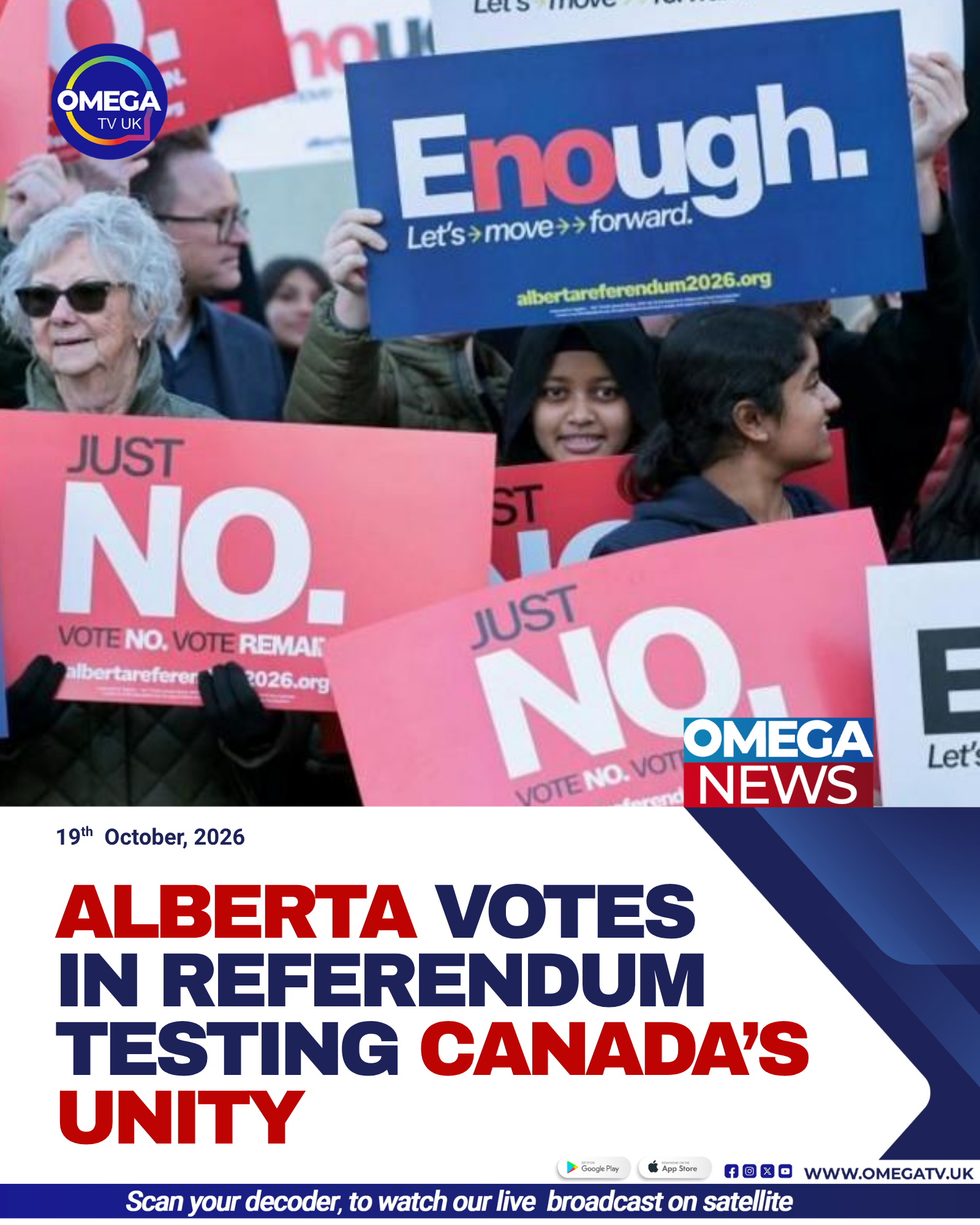
Alberta Votes on Independence
Polls have opened in Alberta for a non-binding referendum that could shape the future of the province’s independence movement and renew debate over Canada’s national unity. Voters are being asked to express their views on separation from Canada, following growing frustration among some residents who believe the province has been overlooked by the federal government in Ottawa.

The vote was called by Alberta’s premier after a grassroots campaign gathered thousands of signatures demanding a referendum on independence. Although the ballot is not legally binding, its outcome could influence whether the province moves towards a formal vote on separation.
Separatists Cite Federal Grievances
Why the referendum is taking place
The independence debate has gained momentum among Albertans who feel their province’s economic interests are not adequately represented by federal leaders. Alberta is a major oil and gas producer, and some separatists argue that federal environmental policies have restricted the province’s economic potential and placed unfair limits on its energy industry. Others believe Alberta contributes more to the national economy than it receives in return. These grievances have helped fuel calls for greater provincial control over resources and political decisions.
The grassroots campaign behind the referendum collected hundreds of thousands of signatures, exceeding the required threshold for a successful petition. Elections Alberta reported that 279,337 valid signatures were counted during the verification process, helping move the independence question onto the political agenda.
Voters divided over Alberta’s future
Supporters of independence say the province should have greater control over its resources and future. Some believe separation would allow Alberta to make decisions without what they consider unnecessary interference from Ottawa. For these voters, the referendum represents an opportunity to express dissatisfaction with federal policies and demand a different relationship with the rest of Canada.
Other Albertans want the province to remain part of the country, warning that independence could bring economic uncertainty and difficult negotiations. An Edmonton voter told the BBC she wanted to remain Canadian, reflecting concerns that separation could disrupt established economic relationships and create complications for residents and businesses.
The debate has also exposed differences within Alberta’s political leadership. Premier Danielle Smith called the referendum amid pressure from separatist supporters within her political movement, although she has said she favours Alberta remaining in Canada. Prime Minister Mark Carney has also campaigned for national unity, arguing that cooperation between provinces is important as Canada faces economic and international challenges.
Polls suggest most favour staying
Opinion polls conducted before voting day have generally indicated that most Albertans favour remaining in Canada rather than initiating a process that could lead to a separation referendum. A recent Angus Reid survey reported that 66 per cent supported remaining in Canada, reflecting the continuing challenge facing the independence campaign.
However, the referendum’s significance extends beyond the immediate result. Even if the proposal fails, the campaign has brought longstanding regional grievances into the national debate and could influence future discussions about energy policy, provincial autonomy and Alberta’s relationship with the federal government.
What happens after voting?
The most important distinction is that Albertans are not voting directly to make Alberta independent. The ballot asks whether the provincial government should begin the legal process required to hold a future binding referendum on separation. The current vote is non-binding, meaning its result does not itself change Alberta’s constitutional status.
If a majority supports beginning that process, further legal and constitutional steps would still be required before a binding referendum could take place. Any eventual attempt to separate would involve negotiations and complex constitutional questions, including the rights of Indigenous peoples and the implications of existing treaties.
The outcome is therefore expected to shape the next stage of Alberta’s independence debate rather than immediately determine whether the province leaves Canada. Unofficial results are expected within 48 hours after polling closes, while Elections Alberta has scheduled the announcement of official results for October 29.