Oil prices have fallen sharply to their lowest level in three weeks after senior US officials raised hopes that an agreement could allow commercial shipping to resume through the Strait of Hormuz.

Brent crude, the global oil benchmark, dropped nearly 5% on Tuesday to below $80 a barrel, while US West Texas Intermediate crude fell more than 5% to around $76. Both prices reached their lowest levels since 13 July.
US officials point to progress
US Secretary of State Marco Rubio said discussions involving Iran and Oman had made progress on allowing more ships to pass through the strategically important waterway.
“There’s been progress made in those talks, but not finality yet,” Rubio told reporters, adding that the US hoped an agreement could be reached soon.
Treasury Secretary Scott Bessent also said a deal could potentially be reached as early as Tuesday or Wednesday. He said an agreement could restore “freedom of movement” for commercial vessels passing through the strait.
However, no details of a possible agreement have been officially released.
Iran takes different position
Iran has denied that it is negotiating directly with the United States, saying it is instead holding discussions with Oman, which has played a mediating role.
An Iranian foreign ministry spokesman said talks with Oman over a new mechanism for vessels travelling through the Strait of Hormuz had been positive.
Qatar, another key mediator between Washington and Tehran, said it was continuing diplomatic efforts but acknowledged that no direct US-Iran talks were currently planned.
Global oil supplies at risk
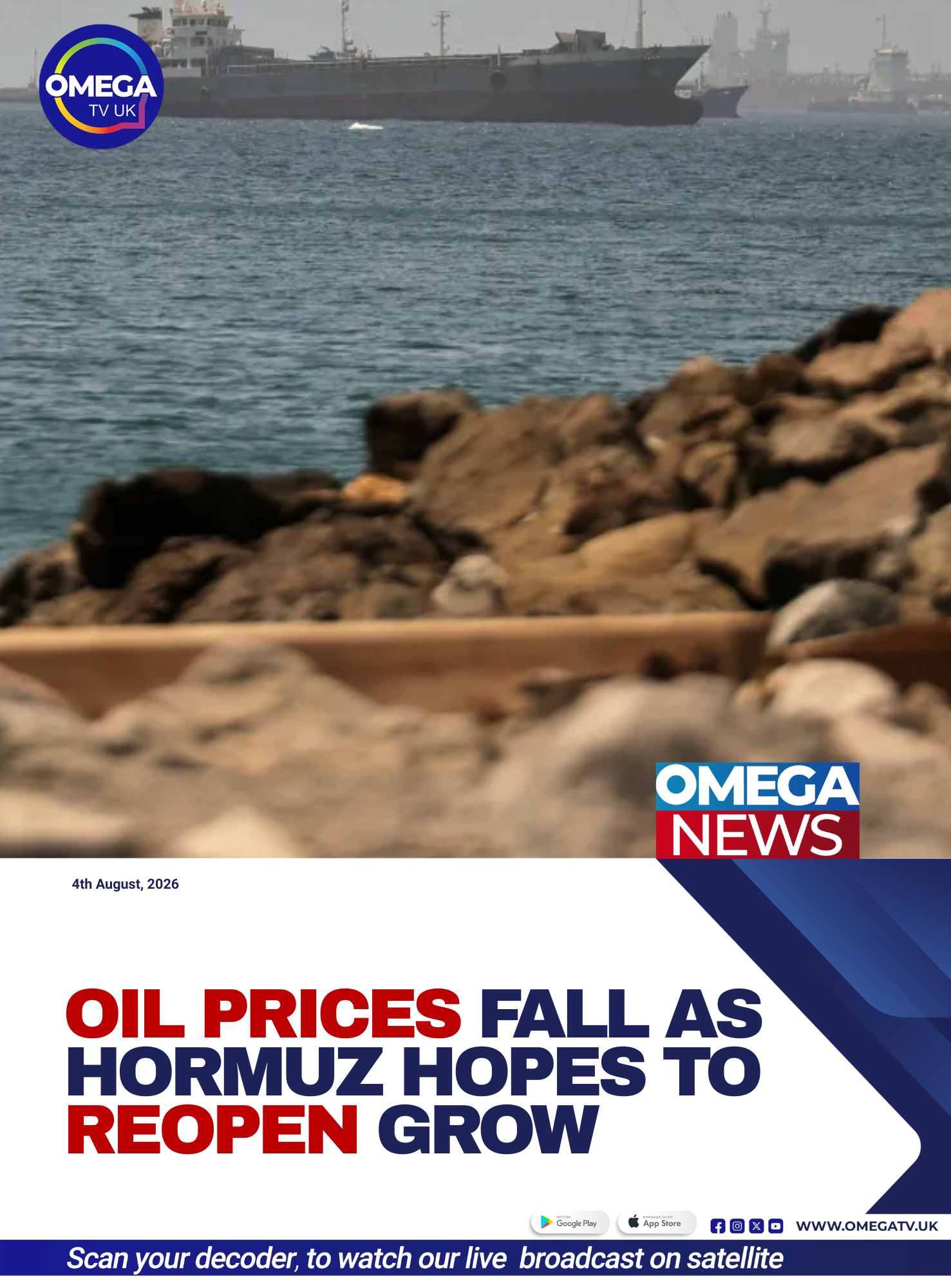
The Strait of Hormuz is one of the world’s most important energy routes. Before the conflict began in late February, it carried around one-fifth of global daily oil and liquefied natural gas supplies.
Iran has halted most traffic through the strait since the conflict began, while the US has imposed a naval blockade on Iranian ports in the region.
An alternative route through the Red Sea has also faced disruption. Yemen’s Iran-backed Houthis have imposed a blockade on Saudi ports, while attacks on vessels have increased in recent days.
On Tuesday, an Indian vessel was sunk near Yemeni waters after being struck by a projectile, although all 14 people on board were rescued.
Fuel prices remain elevated
The uncertainty surrounding shipping routes has pushed fuel prices higher around the world. In the UK, average petrol prices have reached about £1.60 per litre, according to the RAC, while US gasoline prices remain above $4 a gallon.
Oil prices have previously risen above $120 a barrel when the conflict intensified before falling whenever negotiations suggested a possible breakthrough.
Major oil companies including BP, Shell, Chevron and ExxonMobil have benefited from the higher prices, reporting strong profits.
Financial analyst Danni Hewson warned, however, that investors remain cautious because previous negotiations have failed to produce lasting agreements.
US President Donald Trump has called the situation Iran’s “last chance” to reach a deal allowing commercial shipping through the strait. He has also said he postponed planned military strikes to give negotiations another opportunity.
The latest developments have meanwhile boosted US stock markets, as lower oil prices eased concerns over energy costs.