As Africa continues to navigate the complexities of globalisation, economic transformation, and political reform, one question remains both urgent and unresolved: What role should traditional tribal structures play in shaping the continent’s future?
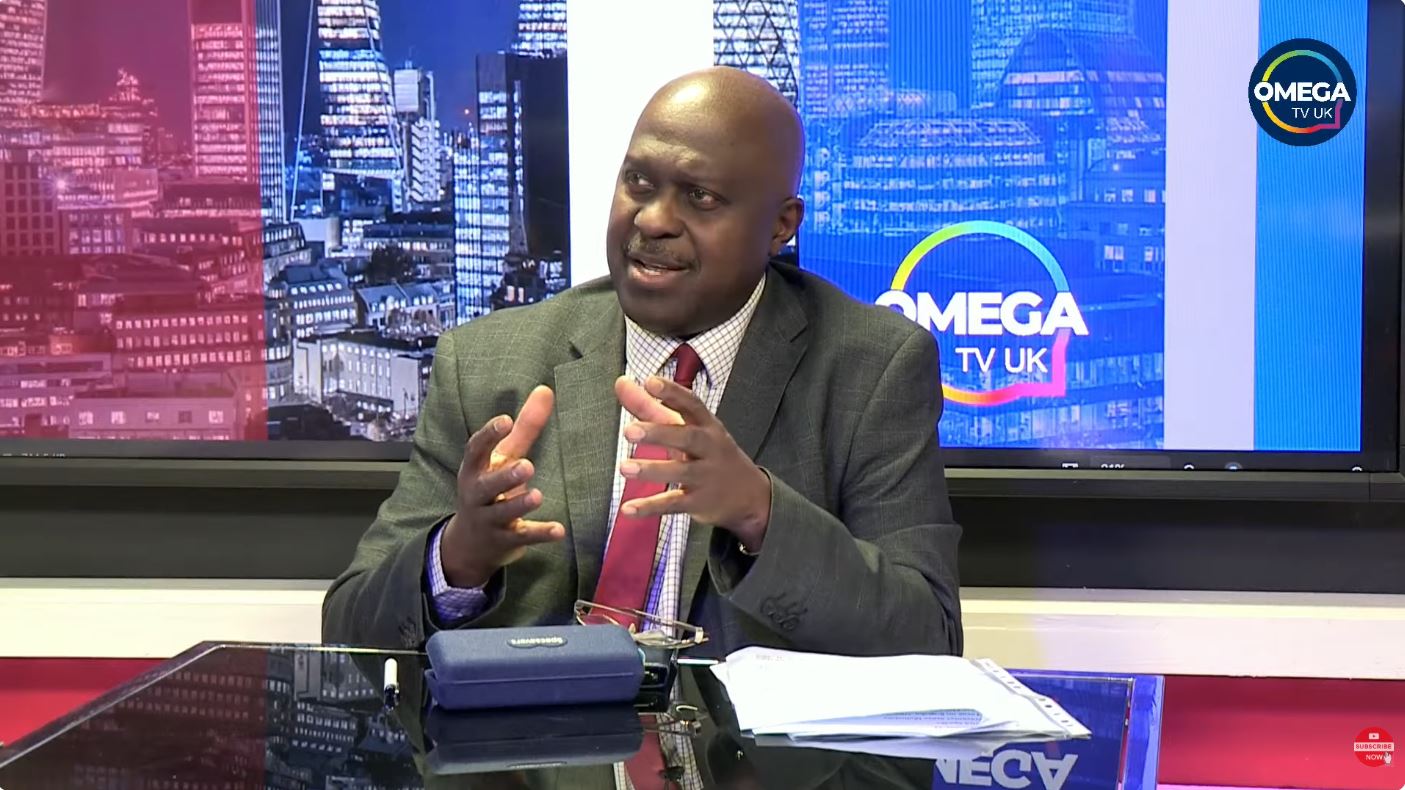
This week on Africa Speaks, host Steve Mulindwa sits down with Michael Materesi, the UK and Europe representative of the Umukuka, for a compelling and timely conversation. Streamed live on 4 November 2025, the discussion pushes beyond familiar narratives and invites viewers to confront a deeper truth—Africa’s development story cannot be told without acknowledging the power, influence, and resilience of its tribes.
Heritage at a Crossroads
For decades, public discourse has often framed tribal identity as a barrier to national unity and modernisation. Yet, as Materesi argues, this perspective overlooks the sophisticated governance systems, conflict‑resolution mechanisms, and community‑centred values that many African tribes have upheld for centuries.
These structures—rooted in accountability, collective responsibility, and cultural continuity—offer lessons that modern institutions frequently struggle to replicate.
Unity Without Erasure
Mulindwa’s conversation with Materesi challenges the false choice between tradition and progress. Instead, it highlights a more nuanced path: one where Africa embraces its cultural foundations while building inclusive, forward‑looking societies.
The question is not whether tribal values should influence development, but how they can be integrated in ways that strengthen national cohesion rather than fragment it. From land stewardship to youth mentorship, from moral leadership to community mobilisation, tribal systems hold untapped potential for sustainable development.
A Call for Honest Dialogue
Africa’s future will not be shaped by imported models alone. It will be shaped by Africans—drawing from their histories, identities, and lived realities. Conversations like this one are essential. They force us to confront uncomfortable assumptions, rethink inherited narratives, and imagine development frameworks that honour both heritage and innovation.
As the continent continues to rise, the balance between tradition and modernisation will define not just policy, but identity. Omega TV UK remains committed to amplifying these critical conversations, ensuring that African voices lead the discourse on African progress.