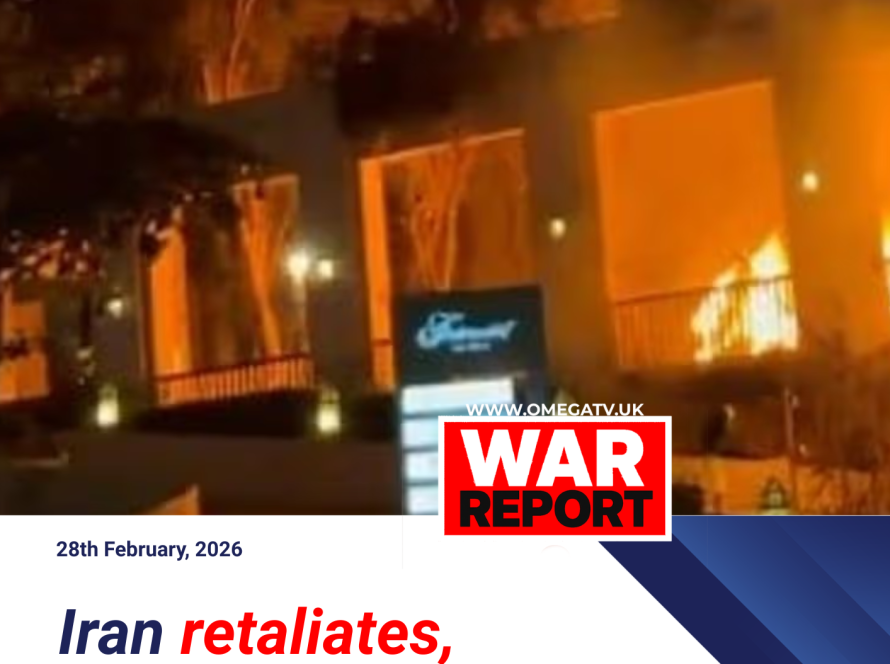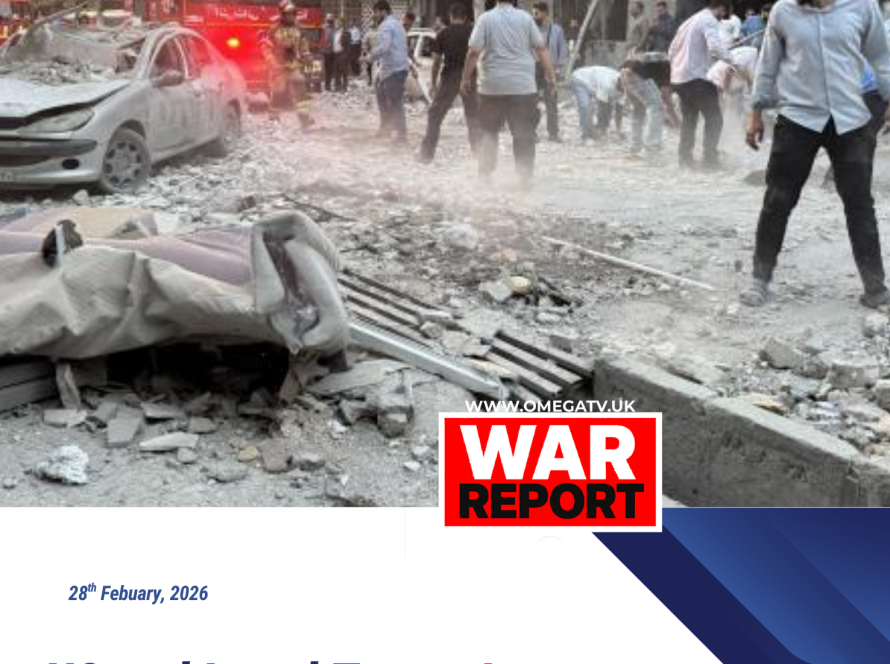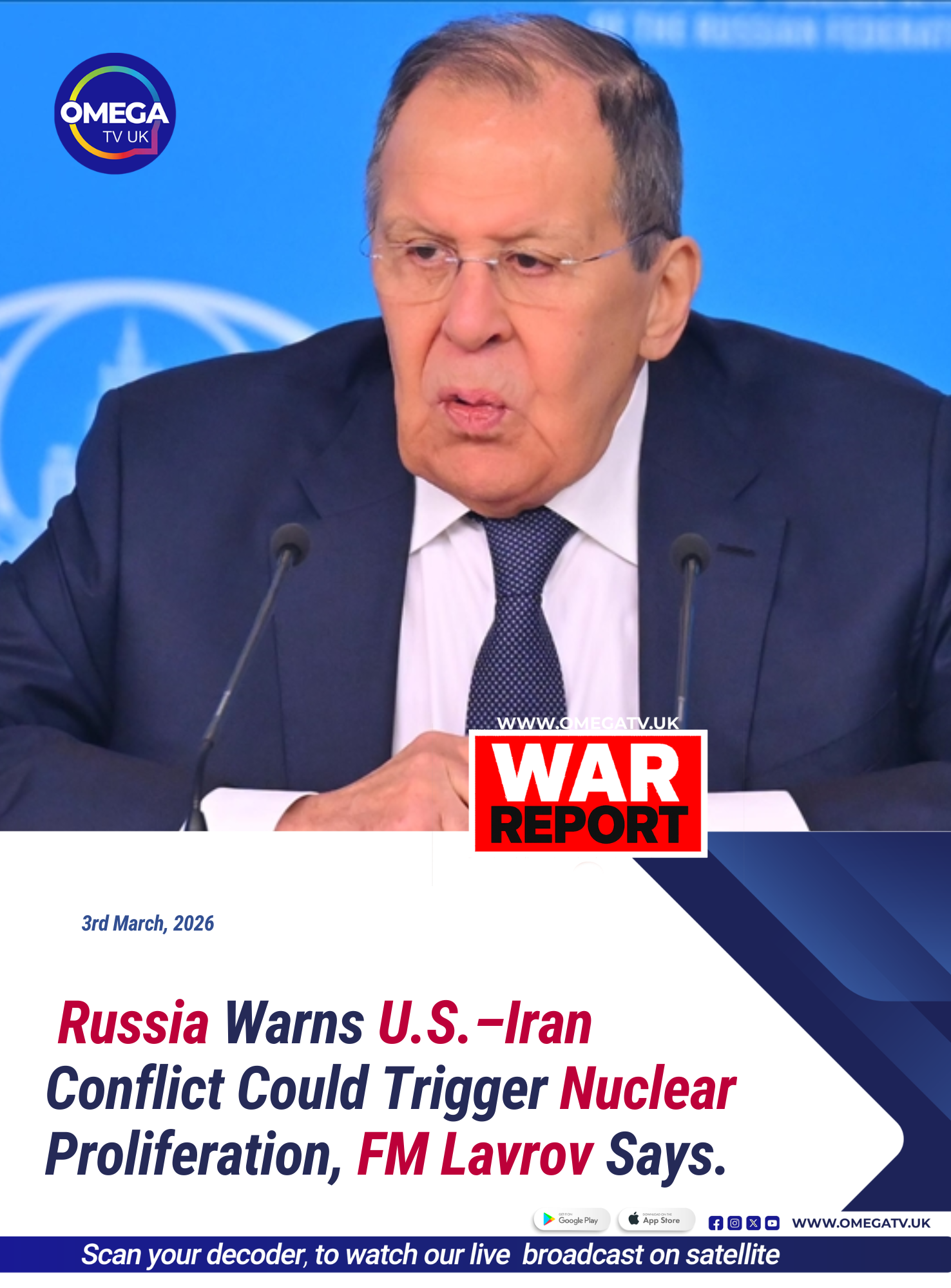
Russia’s Foreign Minister Sergey Lavrov has warned that ongoing United States–Iran conflict, including strikes by the United States and Israel against Iran, could spur a broader nuclear arms race in the Middle East.
Lavrov said that while Washington and Tel Aviv have framed military action as necessary to curb Iran’s alleged nuclear ambitions, the result could ironically be the opposite: encouraging Tehran and other regional states to pursue nuclear weapons as a deterrent. He added that Moscow has seen no concrete evidence that Iran was actively developing nuclear weapons prior to the current conflict, emphasizing that military escalation risks undermining non-proliferation goals.
“War and strikes against a sovereign state under the pretext of nuclear threats can stimulate movements in favour of nuclear armament, not just in Iran but also among its neighbours,” Lavrov said, echoing concerns voiced by other critics of the strikes.
His remarks come amid heightened tensions in the Middle East following coordinated U.S. and Israeli operations targeting Iranian sites actions that have drawn sharp condemnation from Russia and other global actors. Moscow has labeled the strikes “pre-planned and unprovoked,” warning they could destabilize the region and provoke unintended consequences.
Observers say the warning highlights a growing fear among international security experts that military action particularly against a nation with a long-standing nuclear program — could weaken the global non-proliferation regime. If states perceive that possessing nuclear weapons is the only reliable means of self-defence, the risk of proliferation could rise significantly.
Lavrov’s comments also reflect broader geopolitical divisions over how to handle Iran’s nuclear ambitions. While the United States and its allies argue that pressure and, if necessary, force are required to prevent Tehran from acquiring nuclear arms, critics contend that diplomatic engagement and robust verification mechanisms are more effective at reducing risk without triggering wider escalation.
The situation remains volatile, with potential implications for regional security, global arms control efforts, and diplomatic relations among major powers involved in the conflict.