

Ozempic, Wegovy and Mounjaro Face Vision-Loss Lawsuits
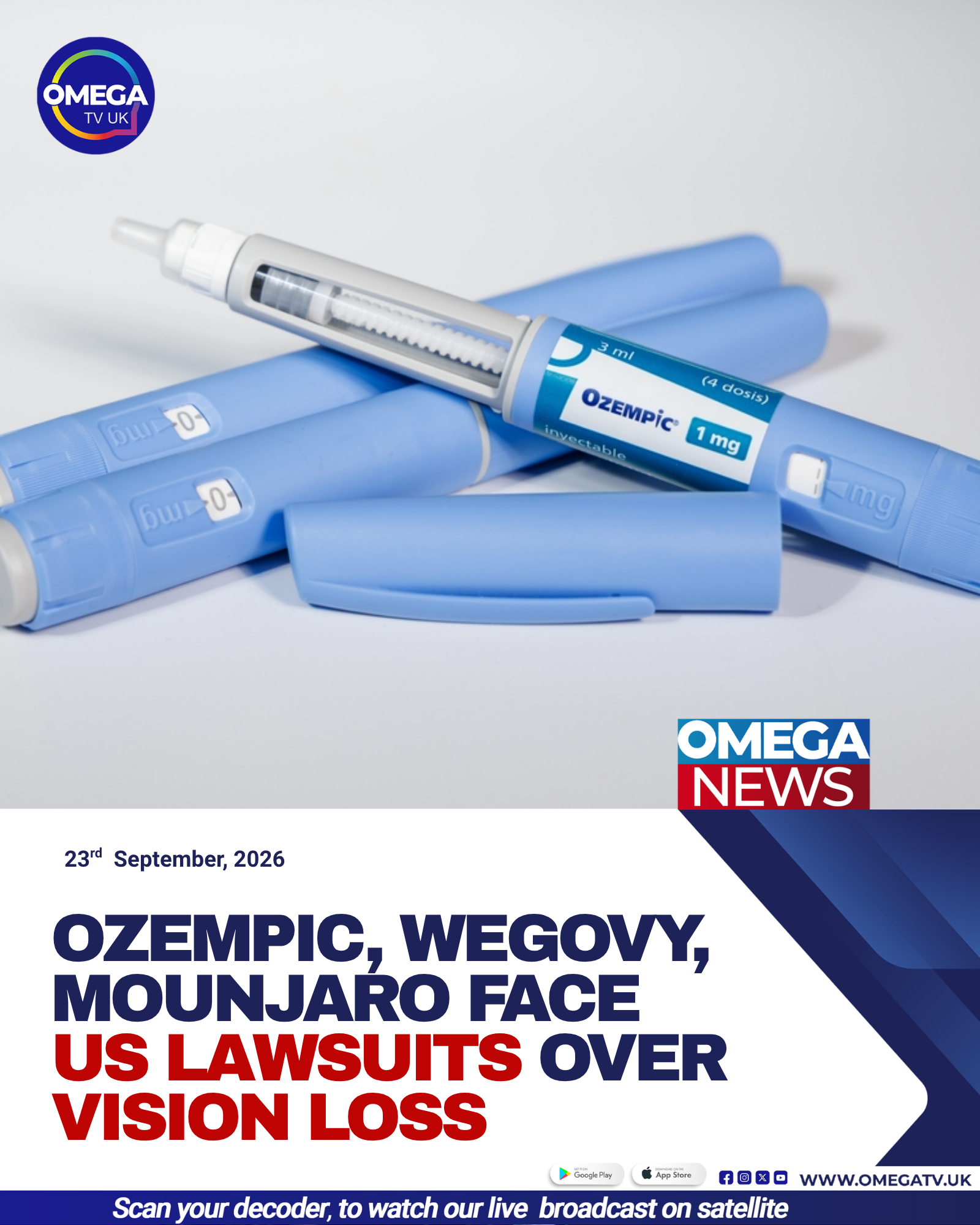
Dozens of people in the United States have filed lawsuits against manufacturers of popular GLP-1 drugs, including Ozempic, Wegovy, Mounjaro and Zepbound, alleging that the medicines caused a rare eye condition linked to sudden and potentially permanent vision loss. The lawsuits add to growing scrutiny of a drug class that has become widely used for diabetes and obesity treatment.

NAION at Centre of Lawsuits
The legal cases focus on nonarteritic anterior ischemic optic neuropathy, known as NAION. The condition occurs when blood flow to the optic nerve is reduced, potentially causing sudden and usually painless vision loss. Damage to the optic nerve can be permanent, making the condition particularly concerning for affected patients.
Possible Link Remains Unproven
Researchers have been investigating a possible connection between GLP-1 medicines and NAION, but the evidence remains mixed. Some studies have suggested a possible increase in risk, while others have found no significant association. There is currently no established evidence that the medicines directly cause NAION.
Cases Reported After Treatment
Researchers studying the issue have reported that NAION cases involving people taking GLP-1 medicines have generally appeared within the first six to 18 months of treatment. However, NAION itself remains a rare condition, and researchers continue to examine whether the medicines are responsible for any increased risk.
More Than 200 Federal Cases
The litigation has expanded beyond individual lawsuits. More than 200 federal cases involving alleged NAION injuries from GLP-1 medicines were pending in September, according to court docket data. The cases include claims involving Ozempic, Wegovy, Mounjaro and Zepbound.
Patients Challenge Drug Warnings
The lawsuits allege that drug manufacturers failed to adequately warn patients about the possible risk of NAION. Some plaintiffs say they experienced sudden vision problems after taking the medicines and were later diagnosed with the eye condition. The litigation is examining both whether the drugs can cause NAION and whether manufacturers provided sufficient safety information.
Novo Nordisk Rejects Claims
Novo Nordisk, which manufactures Ozempic and Wegovy, has rejected the allegations. The company has said it takes reports of adverse events seriously but considers the personal injury lawsuits without merit and is defending itself against the claims.
Eli Lilly Under Scrutiny
Eli Lilly, which makes Mounjaro and Zepbound, is also facing litigation related to the alleged vision-loss risk. The company has been reviewing available evidence concerning potential health risks, while the lawsuits continue to examine whether its medicines are associated with NAION.
Research Finds Conflicting Results
A Novo Nordisk-funded analysis of randomised clinical trials reported no evidence that GLP-1 medicines increase the risk of NAION. Other researchers and medical organisations have acknowledged reports suggesting a possible association while noting that other studies have found no correlation.
Regulators Continue Reviewing Risk
US regulators have been examining the possible connection between GLP-1 medicines and NAION since reports of a potential safety signal emerged in 2024. US drug labels have not established NAION as a confirmed risk, while regulators and researchers continue to assess the available evidence.
Litigation Continues
The lawsuits come as GLP-1 medicines continue to be widely used in the United States and other countries. For now, the central scientific question remains unresolved: whether the drugs themselves increase the risk of NAION. Further research and court proceedings are expected to provide additional evidence as the cases move forward.