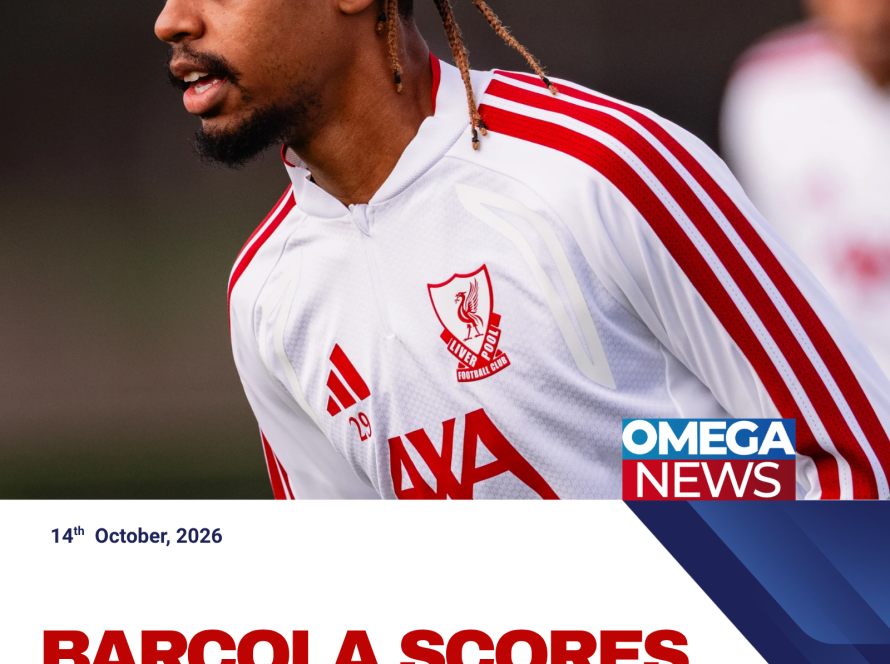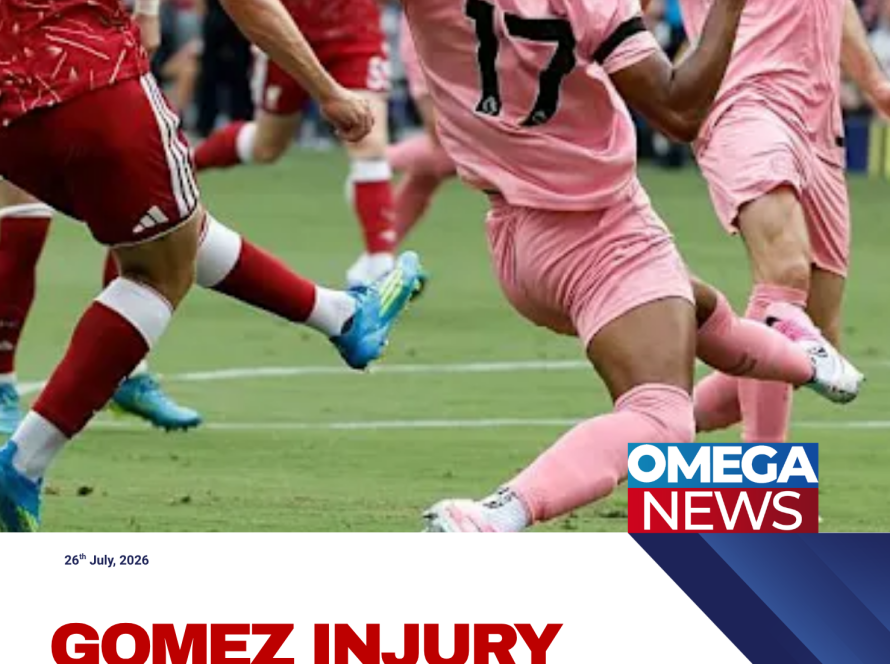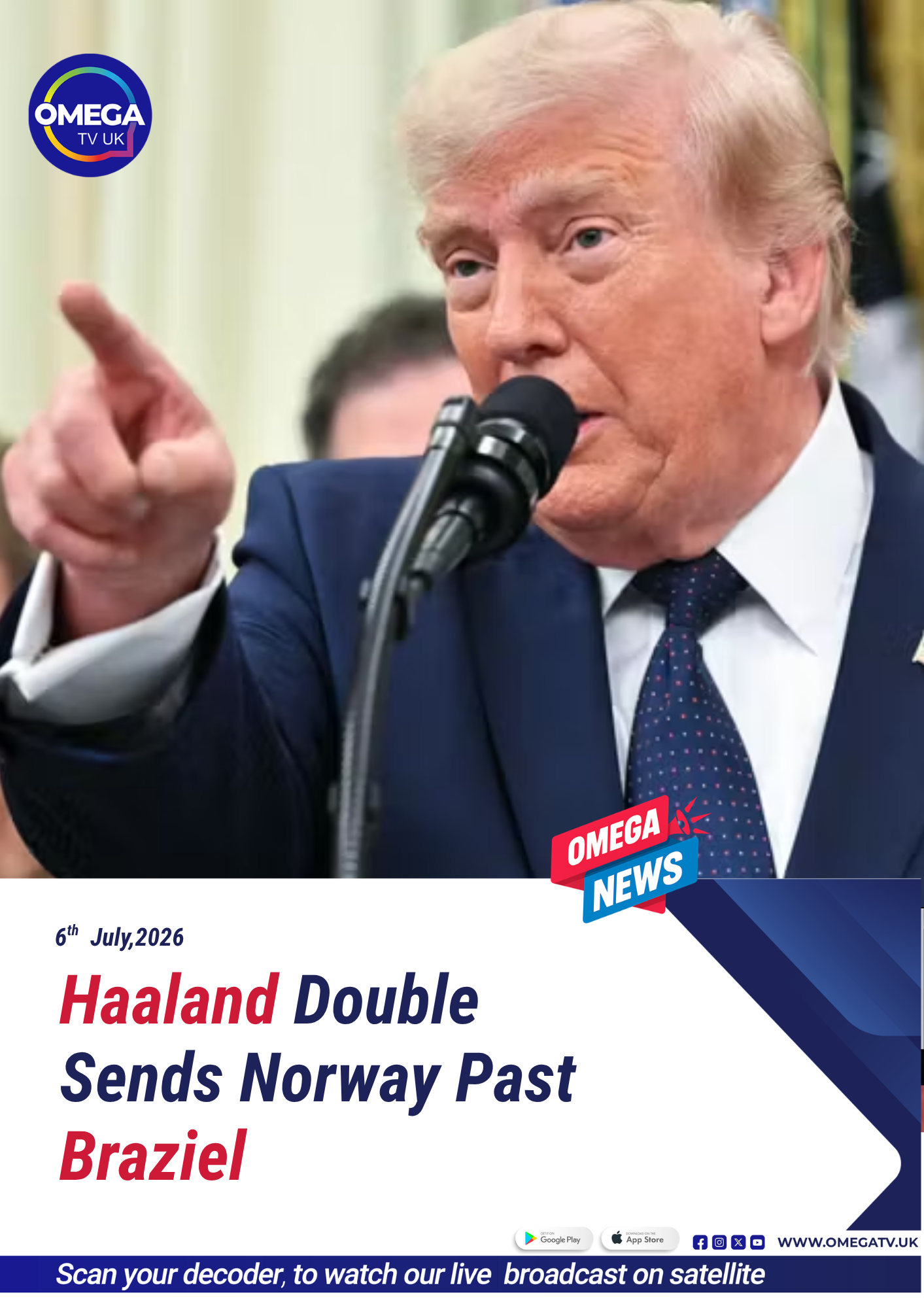
Trump Confirms He Requested FIFA Review of Folarin Balogun’s World Cup Suspension
US President Donald Trump has confirmed that he personally asked FIFA to review the one-match suspension handed to United States striker Folarin Balogun during the 2026 FIFA World Cup, a move that has sparked widespread controversy across the football world.

Balogun, who has scored three goals during this summer’s tournament, was initially suspended after receiving a straight red card for a challenge on Bosnia and Herzegovina defender Tarik Muharemovic in the previous round. The automatic suspension would have ruled him out of the United States’ Round of 16 clash against Belgium.
However, FIFA later made the surprise decision to suspend Balogun’s one-match ban for a probationary period of 12 months, making him immediately eligible for selection. The decision has drawn sharp criticism from football authorities, national associations, and managers, with many questioning its impact on the integrity of the competition.
Speaking at the White House, Trump revealed that he contacted FIFA President Gianni Infantino because he believed Balogun’s dismissal was unjust.
“I didn’t think it was a foul,” Trump said, adding that while he requested a review, he did not instruct FIFA on what decision to make. He praised the final ruling, saying it prevented what he described as “a big stain” on the World Cup.
Trump also criticised Brazilian referee Raphael Claus, calling the decision to send off Balogun “horrible” and suggesting the official was “a little bit suspect.” The Brazilian Football Confederation quickly defended Claus, describing him as an exemplary professional with an unblemished record.
In response to the controversy, FIFA President Gianni Infantino stated that the organisation’s judicial bodies operate independently. He explained that when Trump contacted him, he informed the US President that the matter was undergoing the proper legal process and would be decided by FIFA’s disciplinary authorities.
Infantino later stressed that while people may agree or disagree with disciplinary rulings, the independence of FIFA’s judicial bodies must always be respected to preserve the credibility of international football.
The decision has also angered Belgium, the United States’ next opponents. The Royal Belgian Football Association described the ruling as astonishing and formally appealed the decision. However, FIFA’s Appeal Committee rejected the appeal, stating that Belgium had no legal standing because it was not directly involved in the original disciplinary proceedings.
As a result, Balogun remains eligible to face Belgium in Seattle, with no further avenue available to challenge the decision before kickoff.
European football governing body UEFA also voiced strong concerns, arguing that intervening to effectively cancel an automatic suspension during a World Cup sets a dangerous precedent. England manager Thomas Tuchel echoed those concerns, questioning where disciplinary consistency would end if similar decisions became more common.
Football analysts have noted that such reversals are exceptionally rare. Of the 189 red cards issued throughout World Cup history, only one previous player escaped suspension under extraordinary circumstances before automatic bans existed.
Although FIFA cited Article 27 of its disciplinary code, which allows disciplinary measures to be suspended under certain conditions, the governing body has not provided a detailed explanation for why the rule was applied in Balogun’s case.
The controversy has reignited debate over transparency, consistency, and the independence of football’s disciplinary system as the World Cup enters its decisive knockout stages.