
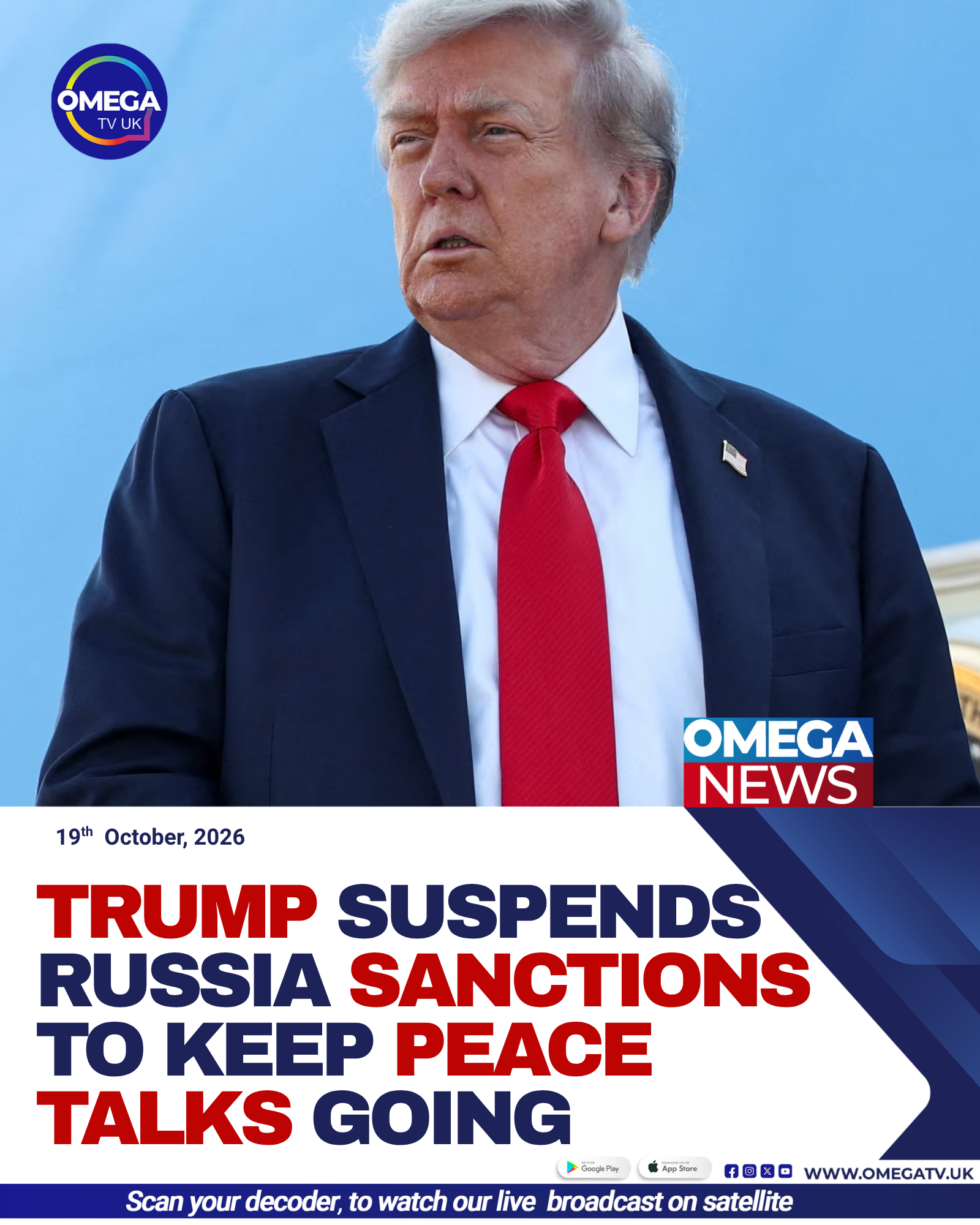
Trump Pauses Russia Sanctions to Pursue Peace
US President Donald Trump says his decision to suspend several sanctions against Russia is intended to keep Moscow engaged in negotiations to end the war in Ukraine, amid growing tensions with Ukrainian President Volodymyr Zelensky.

Trump defends sanctions suspension
Trump announced the decision on Friday, suspending multiple sanctions that were due to take effect two days later. In a post on Truth Social, he said he was negotiating peace between Russia and Ukraine and did not want to take steps that could push Moscow away from the negotiating table.
He also criticised Zelensky, claiming the Ukrainian president did not want to end the war and could have secured a better deal two years earlier. Zelensky has consistently called for an end to the fighting and accused Russian President Vladimir Putin of being unwilling to pursue genuine peace.
Rubio describes 60-day pause
US Secretary of State Marco Rubio described the suspension as a 60-day pause during which officials would assess the potential effects of the sanctions on the American and global economies.
The measures were passed by the US Congress and signed into law by Trump in September. Their suspension has raised questions about Washington’s approach to economic pressure on Moscow while diplomatic efforts continue.
Russian envoy Kirill Dmitriev welcomed the decision, describing it as an important and historic moment. He argued that implementing the sanctions would have caused serious damage to the United States and global markets.
Tensions grow between Washington and Kyiv
Relations between Trump and Zelensky have become increasingly strained following disagreements over how to end the war, which began with Russia’s full-scale invasion of Ukraine in February 2022.
Zelensky told NBC News that siding with Putin would be a historic mistake. He has repeatedly urged Washington and its allies to maintain strong sanctions against Russia, arguing that economic pressure is necessary to limit Moscow’s ability to finance its military campaign.
The Ukrainian president has also expressed concern that Trump’s latest decisions could lead to further sanctions being lifted. The disagreements have complicated efforts by the two governments to coordinate their approaches to negotiations and security.
Russian oil exports remain significant
Despite international sanctions, Russia has continued exporting large quantities of oil, with China and India among its biggest buyers.
According to the Centre for Research on Energy and Clean Air, China accounts for about half of Russia’s crude oil exports, while India takes approximately 37%. Russian oil has often been sold at discounted prices, helping Moscow maintain export revenues despite restrictions imposed by Western countries.
The latest dispute has also been linked to a controversial US deal to import Russian diesel intended to help reduce American energy prices, which have risen during the Iran war. Zelensky and European allies criticised the move, arguing that purchases of Russian energy could provide additional financial support to Moscow.
Starlink and intelligence-sharing concerns
Concerns about Washington’s support for Kyiv have also intensified following disruptions to Starlink, the satellite internet system used by Ukrainian forces.
The disruption reportedly affected Ukraine’s ability to defend itself against Russian attacks. Zelensky said US officials attributed speed restrictions to technical problems, but Ukraine had tested the system on European Union territory and found that it operated at higher speeds.
Trump has denied deliberately slowing the network. He has also rejected Zelensky’s accusation that the United States stopped sharing defence intelligence with Ukraine.
Peace efforts face renewed scrutiny
The suspension of sanctions has highlighted divisions over whether economic pressure or diplomatic concessions are more likely to help end the war.
Trump says his approach is intended to preserve negotiations, while Zelensky and European allies have warned against measures they believe could strengthen Russia’s position.
The 60-day pause will provide time for US officials to assess the potential economic consequences of the sanctions. However, disagreements over Russian energy purchases, military support and the terms of a possible peace agreement continue to complicate relations between Washington and Kyiv.


