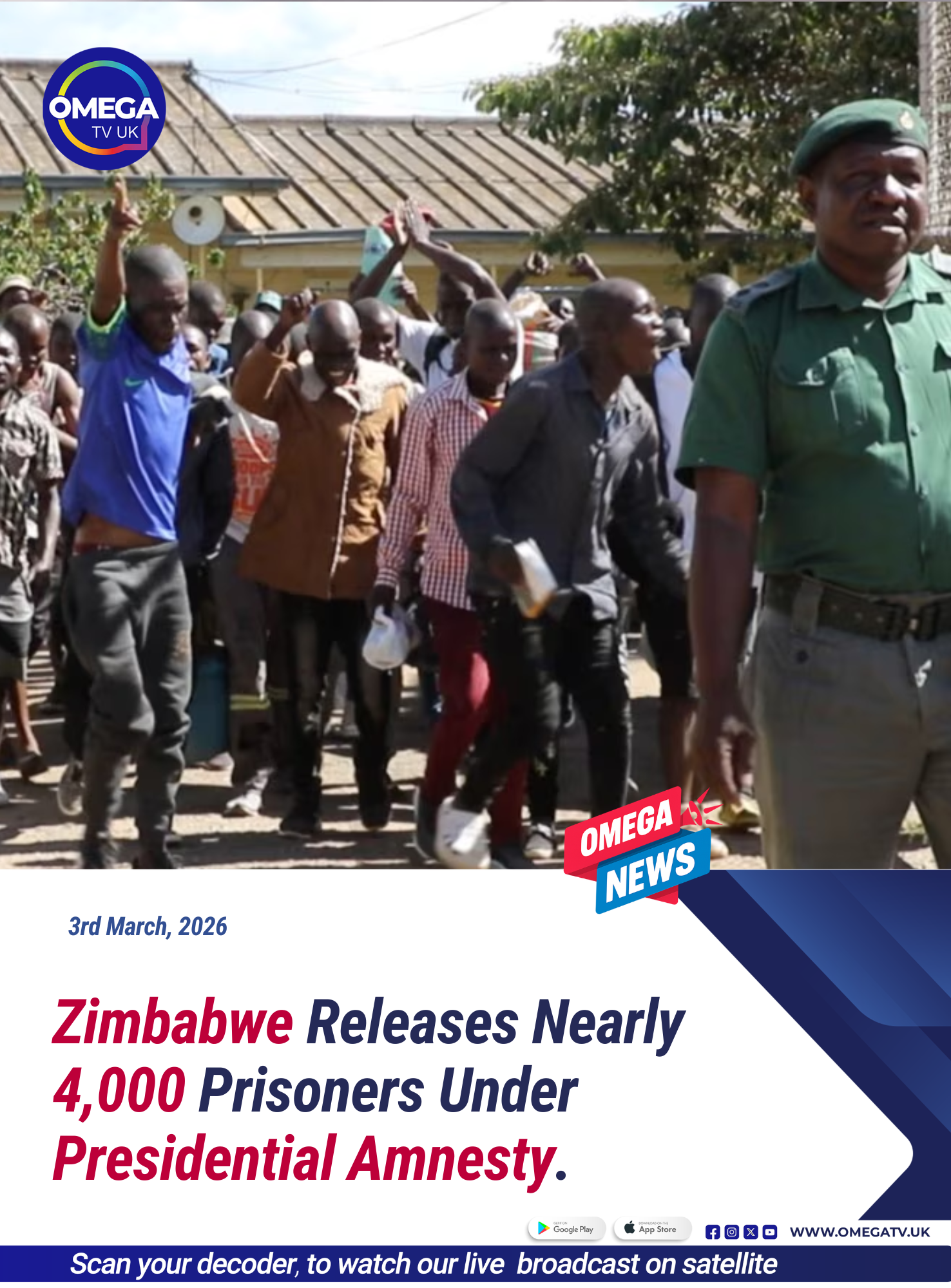
The government of Zimbabwe has freed close to 4,000 inmates following a presidential amnesty aimed at easing prison overcrowding and offering selected offenders a second chance.
Authorities said the mass release was approved by President Emmerson Mnangagwa as part of a broader clemency initiative. The amnesty reportedly applies to prisoners serving short-term sentences, elderly inmates, women, and those with medical conditions. However, individuals convicted of serious crimes such as murder, armed robbery, or sexual offenses were excluded from the pardon.
Officials noted that Zimbabwe’s correctional facilities have long faced congestion, straining resources and raising concerns about living conditions. Human rights advocates have repeatedly urged reforms to reduce overcrowding and improve rehabilitation programs within the prison system.
The Zimbabwe Prisons and Correctional Service confirmed that the release process is being carried out in phases to ensure proper documentation and reintegration procedures. Community leaders have been encouraged to support returning inmates as they transition back into society.
Government representatives say the move reflects a commitment to restorative justice and humanitarian considerations, particularly for vulnerable prisoners. Critics, however, argue that deeper structural reforms are needed to address underlying issues within the criminal justice system.
Presidential amnesties are not uncommon in Zimbabwe and are often granted during national events or significant anniversaries. Authorities maintain that the latest clemency measure is intended to promote compassion while maintaining public safety.
Reintegration efforts, including counseling and community monitoring, are expected to play a key role in ensuring that released individuals rebuild their lives responsibly.