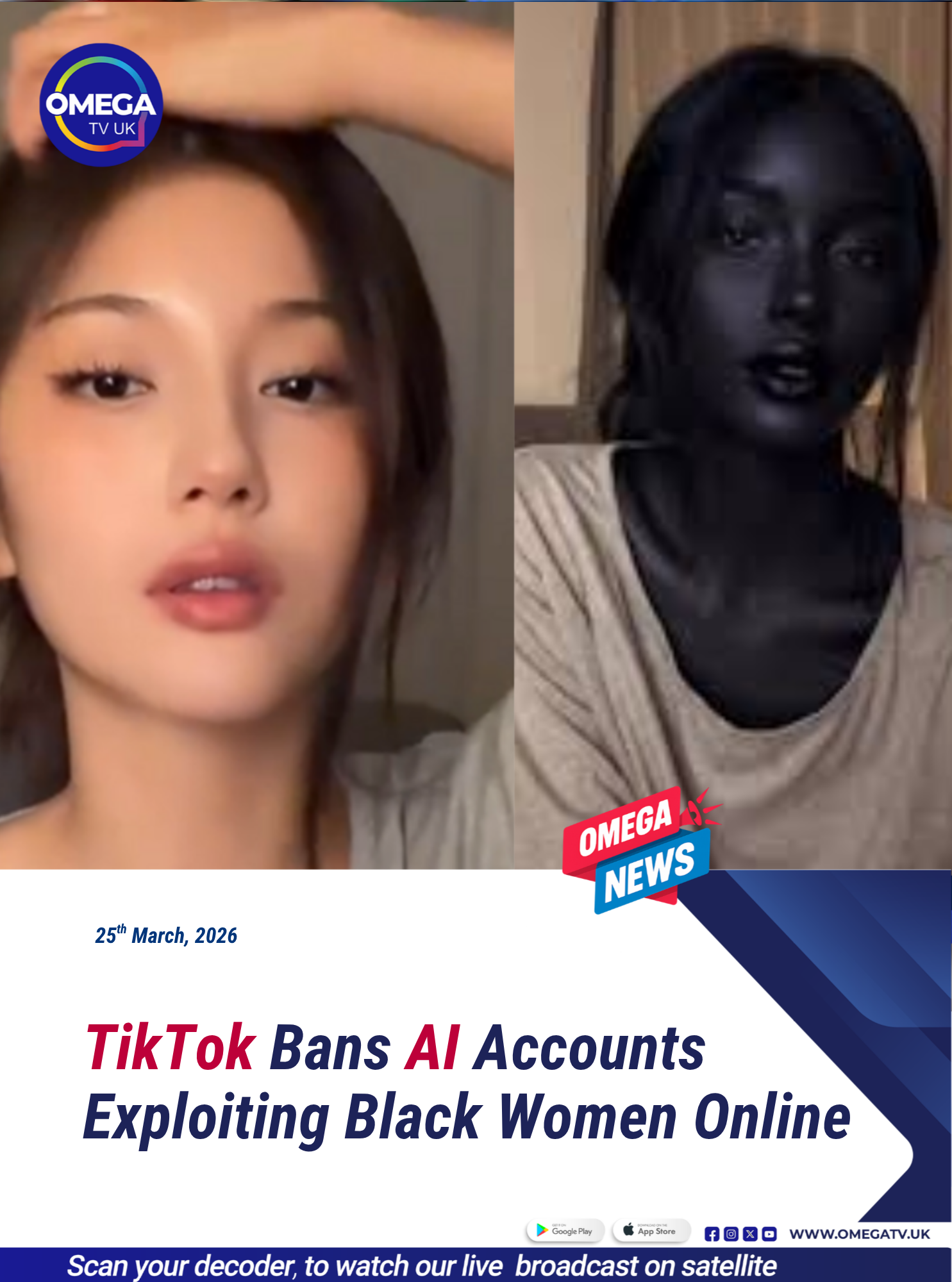
TikTok has taken action against a network of accounts using artificial intelligence to create and promote highly sexualised images of Black women, following an investigation by the BBC.

The platform confirmed it banned at least 20 accounts linked to the trend, which used AI-generated female avatars to direct users toward external sites offering explicit content. The accounts were criticised for promoting harmful racial stereotypes, misleading audiences, and failing to disclose that the content was artificially created.
Researchers working with independent publication Riddance uncovered dozens of similar profiles across social media, particularly on Instagram and TikTok. Many of these accounts featured digitally created characters with exaggerated physical features and unrealistic skin tones, often presented in revealing outfits.
A major concern raised was the lack of transparency, as most of the AI-generated content was not labelled, potentially violating platform rules. Some profiles also used language and themes considered racially exploitative, while linking users through multiple pages to paid adult content.
One case that drew attention involved content taken from Malaysian model Riya Ulan. Her videos were altered using AI, with a digitally created face placed over her body, then reposted without permission. The manipulated clips gained tens of millions of views—far exceeding the reach of her original content.
Riya expressed frustration over the misuse of her work, warning that audiences are increasingly unable to distinguish between real and AI-generated content. She also highlighted the dangers of her likeness being used to promote inappropriate material without consent.
Experts say the trend reflects a deeper issue of exploitation. Analysts involved in the research argue that AI is amplifying long-standing racial biases by enabling the creation of extreme and unrealistic portrayals without accountability.
Content creator Houda Fonone added that such portrayals risk erasing authentic representations of Black women, replacing real identities with artificial and idealised images.
In response, TikTok reiterated its policies against misleading AI content and the use of individuals’ likeness without permission. Meanwhile, Meta Platforms said it is reviewing the findings, as pressure grows on social media companies to better regulate AI-generated content.