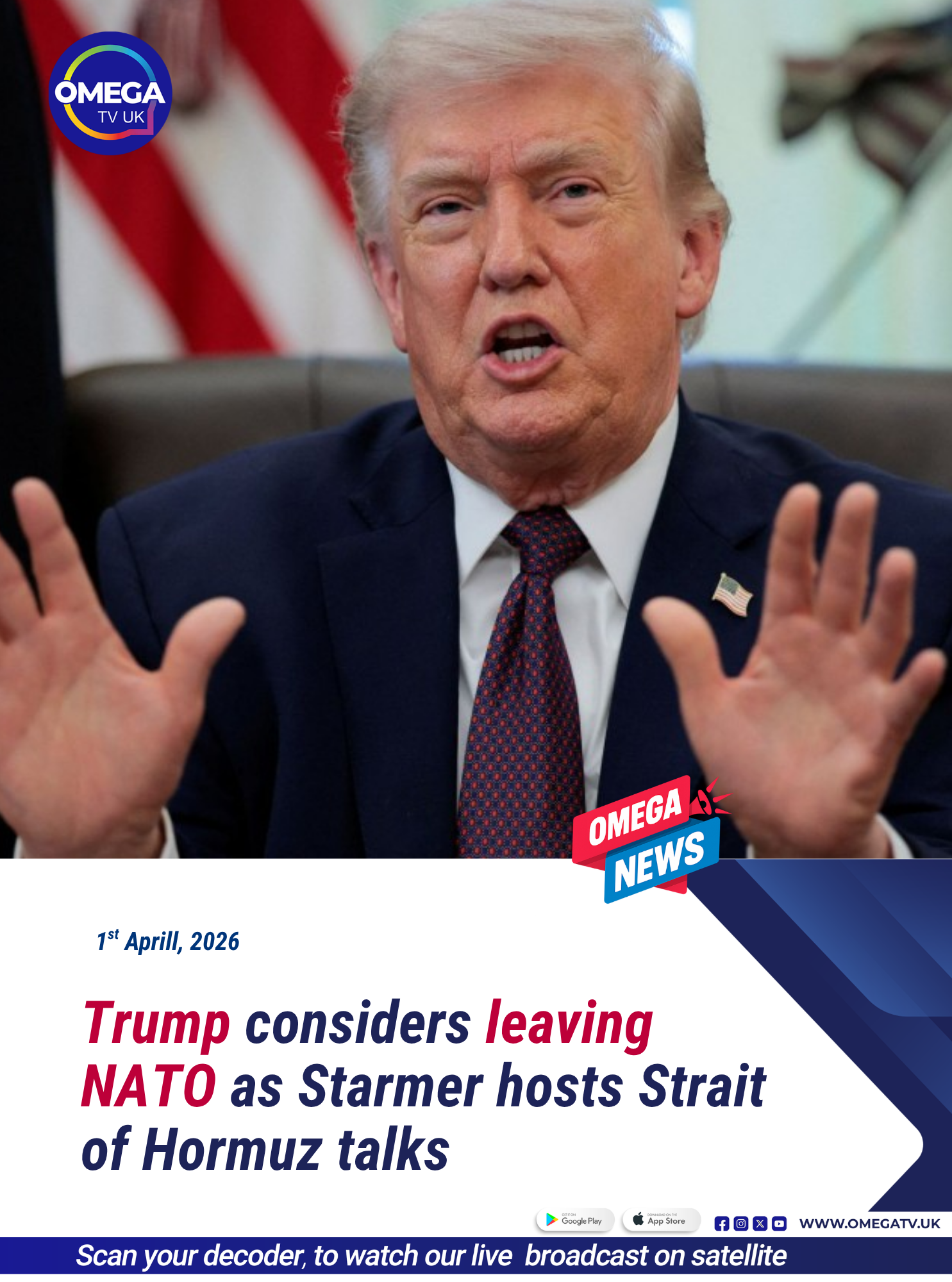
Donald Trump has signalled he is considering withdrawing the United States from NATO, a move that could reshape global security alliances, as tensions linked to the Iran war continue to escalate.

In an interview, Trump suggested the US may rethink its long-standing commitment to NATO, reinforcing his earlier stance that American allies should take greater responsibility for their own defence. His remarks come amid ongoing military tensions in the Middle East and follow his claim that US involvement in Iran could conclude within “two to three weeks.”
At the same time, UK Prime Minister Keir Starmer has announced that Britain will host high-level talks involving dozens of countries focused on the Strait of Hormuz — a critical global النفط transit route that has been severely impacted by the conflict. The decision highlights the UK’s push to play a central diplomatic role and strengthen cooperation with European and international partners during the crisis.
The Strait of Hormuz, which typically handles around a fifth of the world’s oil supply, has become a focal point in the war. Disruptions in the region have sent shockwaves through global energy markets, pushing oil prices sharply higher in recent weeks. However, prices dipped below $100 per barrel following recent statements from both US and Iranian leadership, offering some temporary relief to markets.
Iranian President Masoud Pezeshkian has indicated that Tehran is open to ending the conflict, stating the country has the “necessary will” to bring hostilities to a close — but only if guarantees are provided to prevent future escalation. His comments suggest a possible opening for diplomatic negotiations, though significant obstacles remain.
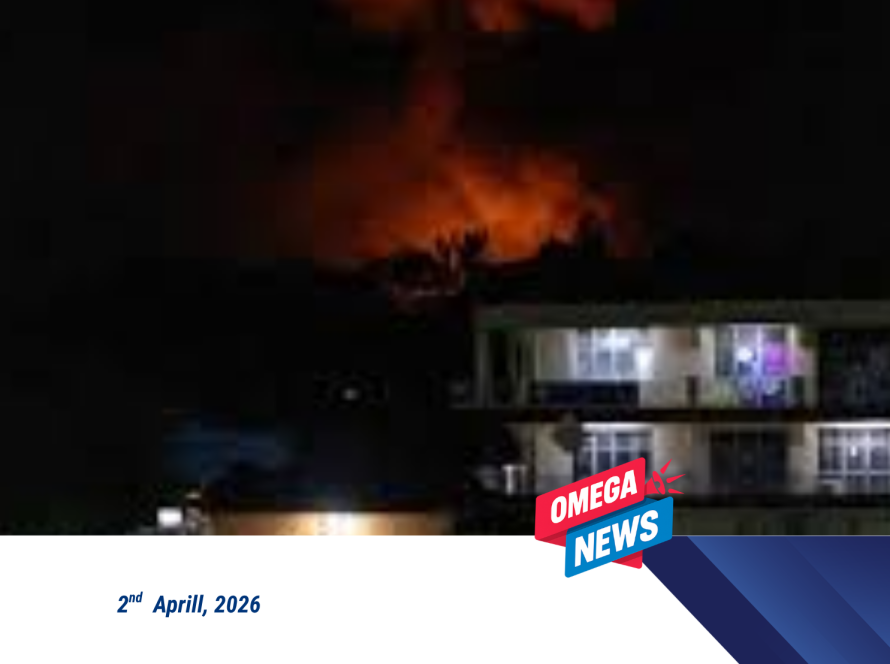
Despite these signals, fighting continues across the region. Israel and Iran have exchanged further strikes, while Iran has also launched attacks targeting Gulf states. Reports indicate damage to infrastructure in countries including Lebanon, where images show heavily damaged buildings following Israeli airstrikes. The conflict, now entering its second month, has already claimed thousands of lives, with the majority of casualties reported in Iran and Lebanon.
On the ground in Iran, the human toll of the conflict is becoming increasingly apparent. Civilians have described exhaustion and despair as the war drags on. One young man in Tehran told the BBC he feels like he has been “in purgatory for a month,” highlighting the psychological strain caused by ongoing violence and the government-imposed internet blackout, which has further isolated citizens from the outside world.
Meanwhile, the aviation sector has been monitoring the situation closely. Despite concerns over fuel supply disruptions, the UK’s airline industry body has said there is currently no significant impact on jet fuel availability. This suggests that while the conflict has disrupted some energy flows, critical supply chains are still functioning — at least for now.
The broader geopolitical implications of Trump’s NATO comments are significant. A US withdrawal from the alliance would mark a historic shift in transatlantic relations and could weaken collective defence arrangements that have been in place for decades. It may also embolden rival powers and alter the balance of global security at a time when multiple conflicts are unfolding simultaneously.
For the UK, hosting talks on the Strait of Hormuz presents an opportunity to assert diplomatic leadership and help stabilise a rapidly deteriorating situation. However, with ongoing military actions, fragile negotiations, and competing global interests, the path to de-escalation remains uncertain.
As the war continues, the combination of military pressure, economic disruption, and diplomatic manoeuvring will likely determine whether the conflict moves towards resolution — or deepens into a wider regional crisis.