Israel and Hezbollah trade strikes as Trump criticises Iran
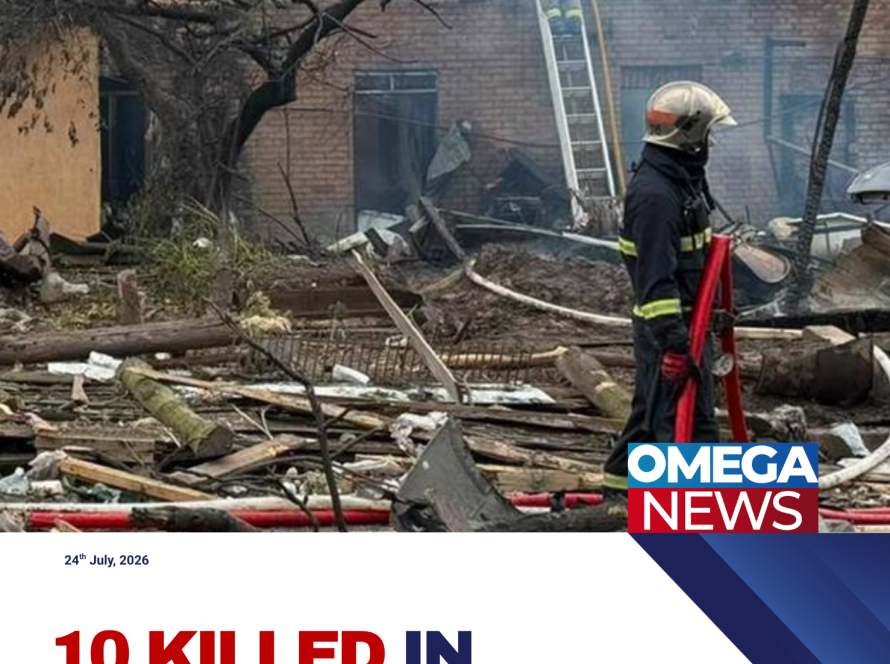
Tensions in the Middle East have escalated once again as Israel and Hezbollah exchanged overnight strikes, raising concerns about the stability of an already fragile regional ceasefire.
The Israeli military confirmed it carried out strikes targeting Hezbollah rocket launchers in Lebanon, while the Iran-backed group responded with attacks on several Israeli positions. The exchange marks a continuation of hostilities despite broader diplomatic efforts to reduce tensions.
Israeli Prime Minister Benjamin Netanyahu stated that operations would continue, declaring that there is “no ceasefire in Lebanon” and vowing to strike Hezbollah “with force.” His comments underscore Israel’s position that its campaign against the group remains ongoing, separate from any wider agreements.
The renewed violence comes at a sensitive moment, with peace talks expected to take place in the coming days. Observers warn that continued clashes between Israel and Hezbollah could complicate negotiations and undermine attempts to stabilise the region.
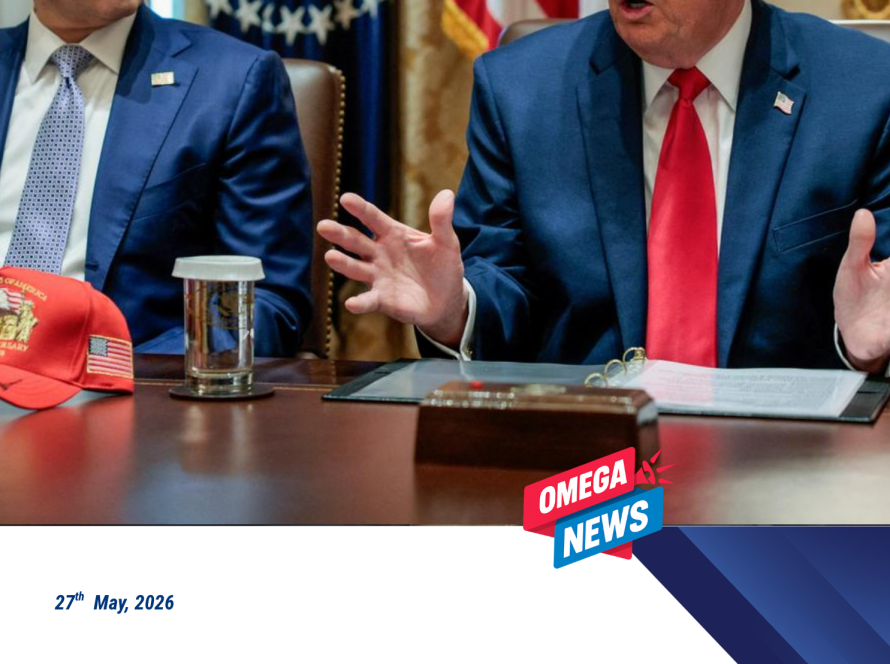
Meanwhile, Donald Trump has criticised Iran over its handling of the Strait of Hormuz, a critical shipping route through which roughly 20% of the world’s oil supply passes.
In a series of posts on Truth Social, Trump accused Tehran of doing a “very poor job” managing the waterway, which plays a key role in the temporary ceasefire agreement between Washington and Iran. He also warned against imposing fees on oil tankers passing through the strait, suggesting such actions could further destabilise global markets.
The situation surrounding the Strait of Hormuz remains a focal point in US-Iran relations, as both sides attempt to uphold elements of the ceasefire while navigating ongoing regional conflicts.
The continued fighting between Israel and Hezbollah also highlights Lebanon’s uncertain position within the broader diplomatic framework. While the ceasefire between the United States and Iran aims to reduce tensions, it does not explicitly cover the conflict in Lebanon, leaving room for ongoing military action.
As a result, the region remains volatile, with multiple flashpoints threatening to derail peace efforts. Analysts say that without a comprehensive agreement that includes all parties, sporadic violence is likely to persist.
With diplomatic talks looming, the coming days are expected to be critical in determining whether the situation escalates further or moves toward de-escalation.