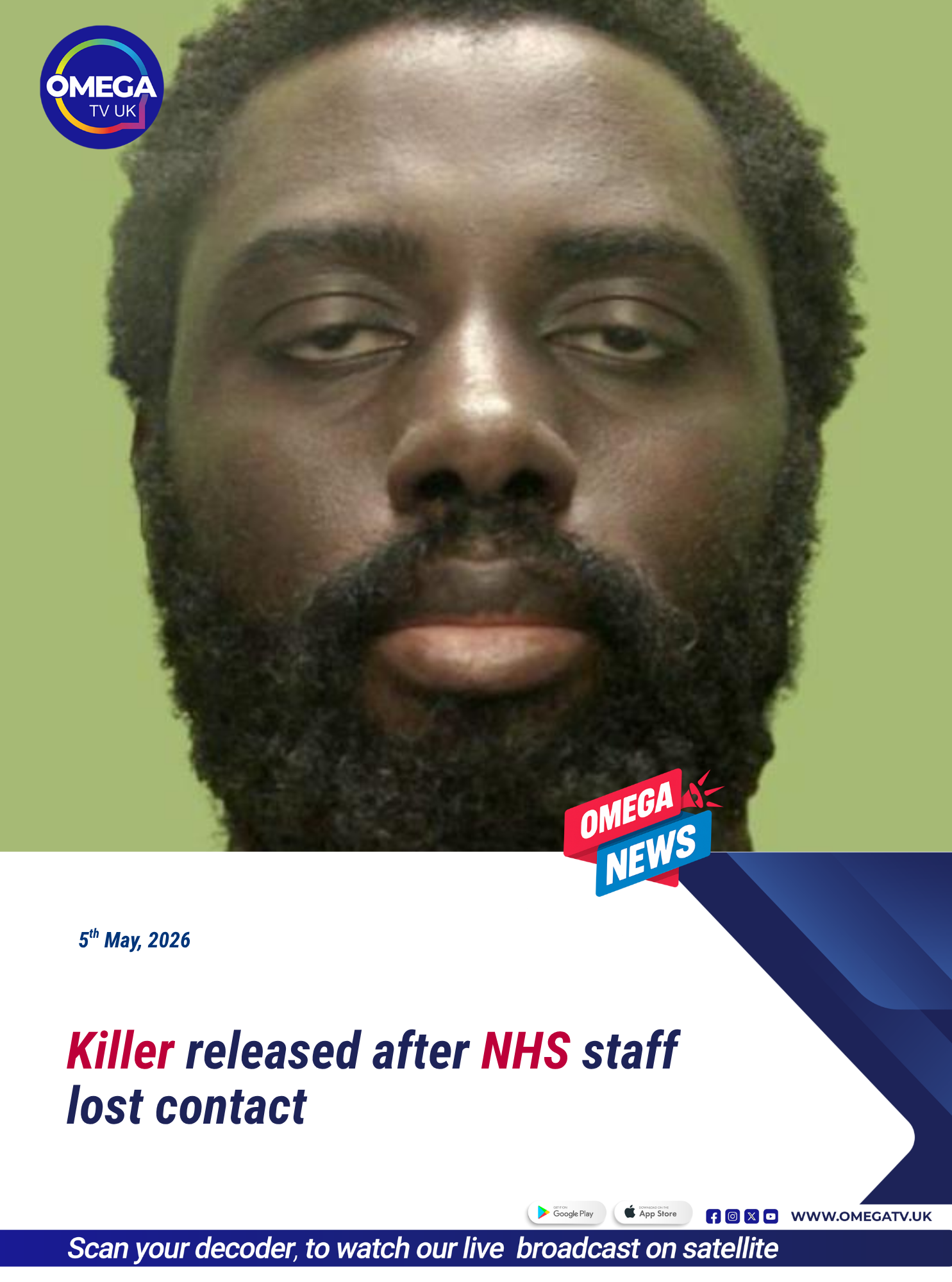
NHS staff involved in the care of Valdo Calocane, the man who later killed three people in Nottingham, have told a public inquiry he was discharged from mental health services because they were unable to locate or engage with him.

The Nottingham Inquiry heard that Calocane had been under the care of Nottinghamshire Healthcare NHS Foundation Trust for two years, during which he was sectioned four times and repeatedly flagged as a serious risk.
Despite concerns over his deteriorating mental health, Calocane was discharged from the trust’s Early Intervention in Psychosis (EIP) service in September 2022 after repeatedly missing appointments and failing to respond to calls, letters and home visits.
Former EIP team leader Emma Robinson told the inquiry the decision was made after staff exhausted all options to reach him.
“We couldn’t work with him, we couldn’t find him at this point,” Robinson said.
Calocane later went on to kill university students Barnaby Webber and Grace O’Malley-Kumar, along with school caretaker Ian Coates, during a knife and van attack in Nottingham on 13 June 2023.
During questioning, lawyers representing the bereaved families challenged the decision to discharge Calocane despite known risks.
Barrister Tim Moloney KC asked whether the trust considered the danger Calocane posed to the public, particularly given staff reportedly refused to visit him alone.
Robinson said the risk had been considered, but the service had no legal authority to hold him or force treatment once contact was lost.
“We just couldn’t find him to work with him,” she told the inquiry.
The hearing was told Calocane’s final contact with the EIP team was a phone call on 16 July 2022, during which he falsely claimed to be abroad.
Robinson admitted the team had effectively “lost” him, saying he was a difficult patient to engage and may have needed a more intensive service.
“In hindsight, he needed a team that could do more follow-up,” she said.
The inquiry also heard concerns over the quality of communication after his discharge.
A discharge letter sent to Calocane’s GP reportedly contained limited information and did not include key documents such as his risk assessment or care plan.
Inquiry chair Deborah Taylor KC described the information provided to the GP as insufficient.
Robinson acknowledged the discharge paperwork was inadequate.
“As a discharge letter, you would expect more,” she said.
The trust also confirmed it did not inform Nottinghamshire Police that Calocane had been discharged from mental health services.
Another witness, clinical team leader Sharon Heath, told the inquiry she had expected supporting documents to accompany the GP discharge letter, but these were never sent.
She noted some of the missing documents may have already been outdated.
The inquiry continues to examine whether failures in Calocane’s care and monitoring contributed to the fatal attacks, which shocked the UK and triggered calls for reform in mental health and criminal justice systems.