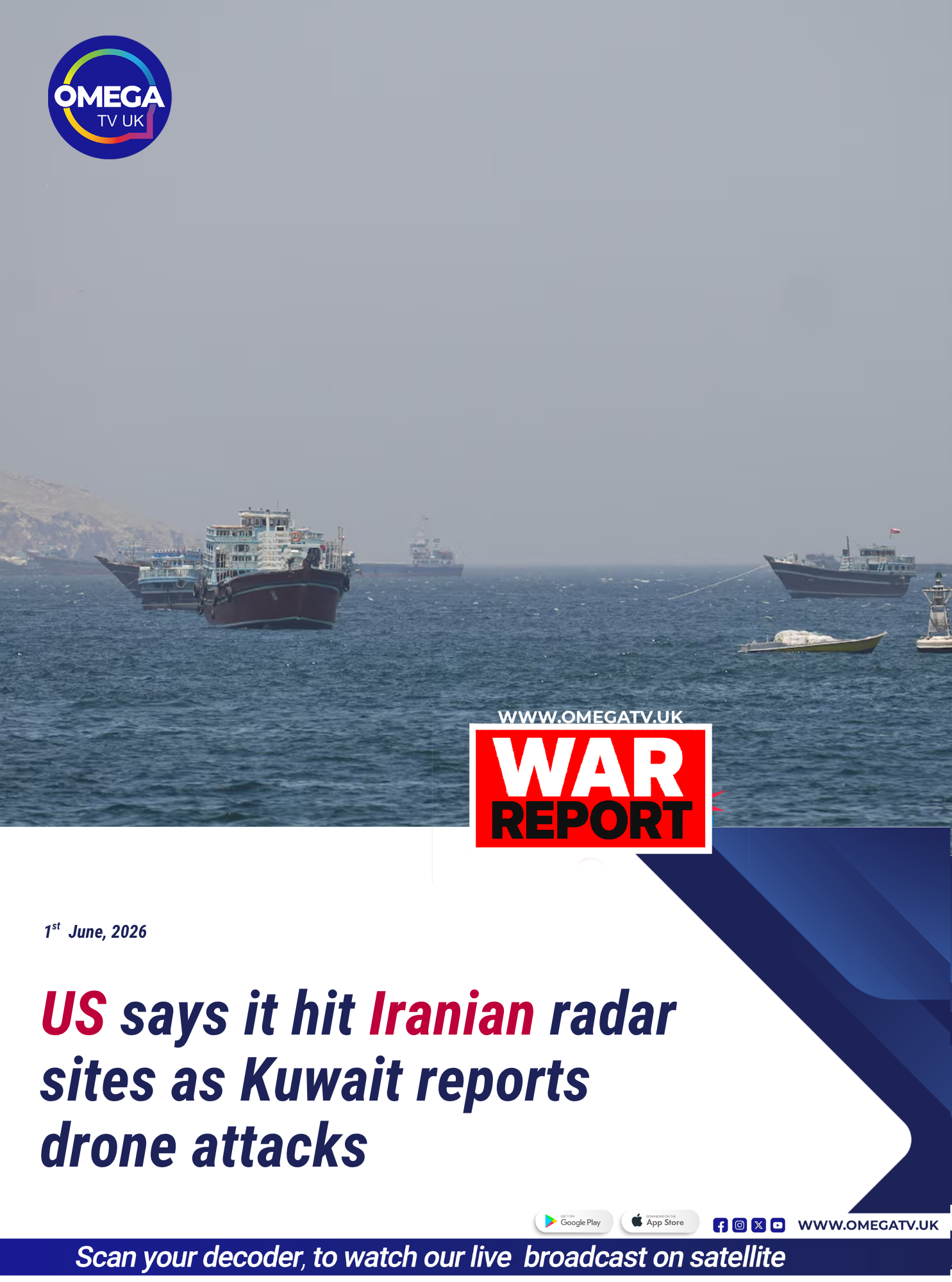
Tensions between the United States and Iran have escalated once again after both countries confirmed military actions over the weekend, marking the third major confrontation in just one week around the strategically important Strait of Hormuz.

The US military announced that it carried out what it described as “self-defence strikes” against Iranian military infrastructure following what it called aggressive actions by Tehran. According to US Central Command (Centcom), the operation targeted Iranian radar systems and command-and-control facilities linked to drone operations near Iran’s southern coastline.
Centcom stated that the strikes were launched after an American drone was allegedly shot down over international waters. US fighter aircraft reportedly destroyed air defence systems, a ground control station and two drones that American officials claimed posed a threat to commercial and military vessels operating in regional waters. The US military added that no American personnel were injured during the operation.
Iran responded by confirming retaliatory action through its Islamic Revolutionary Guard Corps (IRGC). Iranian officials said they targeted an air base allegedly used by US forces to conduct strikes against Iranian positions. The IRGC did not identify the exact location of the base but warned that any further American military action would provoke a significantly stronger response.
The latest exchange comes as diplomatic efforts aimed at securing a broader ceasefire and political agreement remain stalled. Reports indicate that negotiations between Washington and Tehran hit another obstacle after US President Donald Trump reportedly requested amendments to a proposed agreement that would extend the current ceasefire and address issues surrounding Iran’s nuclear programme.
Meanwhile, regional tensions intensified after Kuwait announced that its air defence systems had intercepted what it described as hostile missile and drone attacks. Authorities did not immediately specify where the threats originated, although air raid sirens were reportedly activated across parts of the country. Kuwait hosts American military installations and has become increasingly concerned about the growing conflict in the Gulf region.
President Trump attempted to reassure the public through a social media post, urging critics to remain calm and expressing confidence that a deal with Iran could still be reached. He maintained that Tehran wants an agreement and suggested that negotiations remain active despite recent military exchanges.
Iranian officials, however, have insisted that any future agreement must fully protect the country’s interests and sovereign rights. Tehran continues to reject demands that it completely surrender its stockpile of highly enriched uranium, while Washington maintains that preventing Iran from obtaining nuclear weapons remains a non-negotiable condition.
The latest proposal under discussion reportedly includes a 60-day extension of the ceasefire, the reopening of the Strait of Hormuz to unrestricted international shipping and renewed negotiations concerning Iran’s nuclear activities. However, neither side has formally approved the framework.
The Strait of Hormuz remains one of the world’s most critical shipping routes, with roughly one-fifth of global oil and liquefied natural gas exports passing through the narrow waterway. Any disruption to traffic through the strait has the potential to affect global energy markets and increase fuel prices worldwide.
As military operations continue alongside diplomatic efforts, uncertainty remains over whether the two sides are moving closer to peace or toward a wider regional conflict.