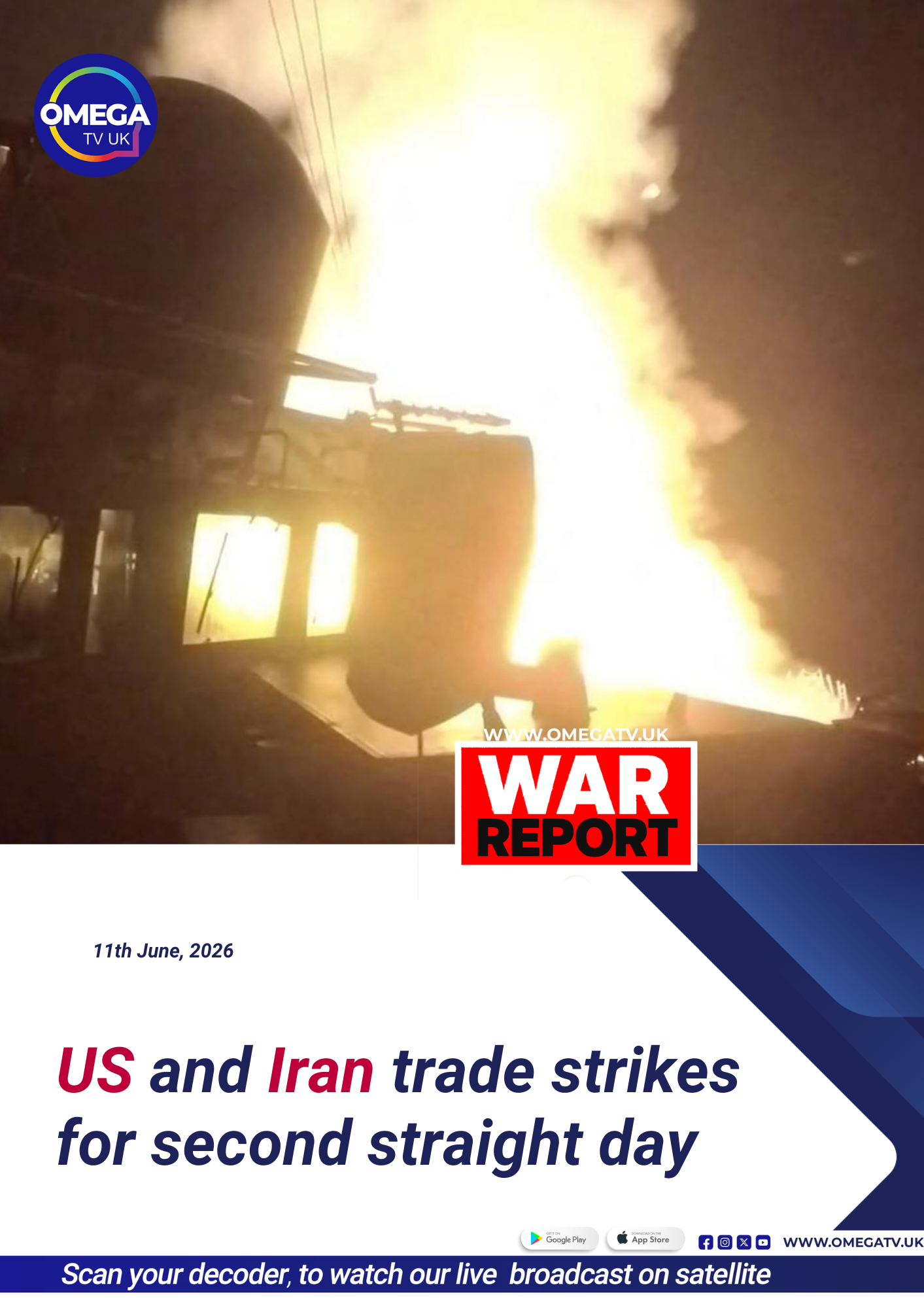
The United States and Iran exchanged fresh military strikes across the Middle East for a second consecutive day, escalating tensions and placing the fragile April ceasefire under severe pressure.

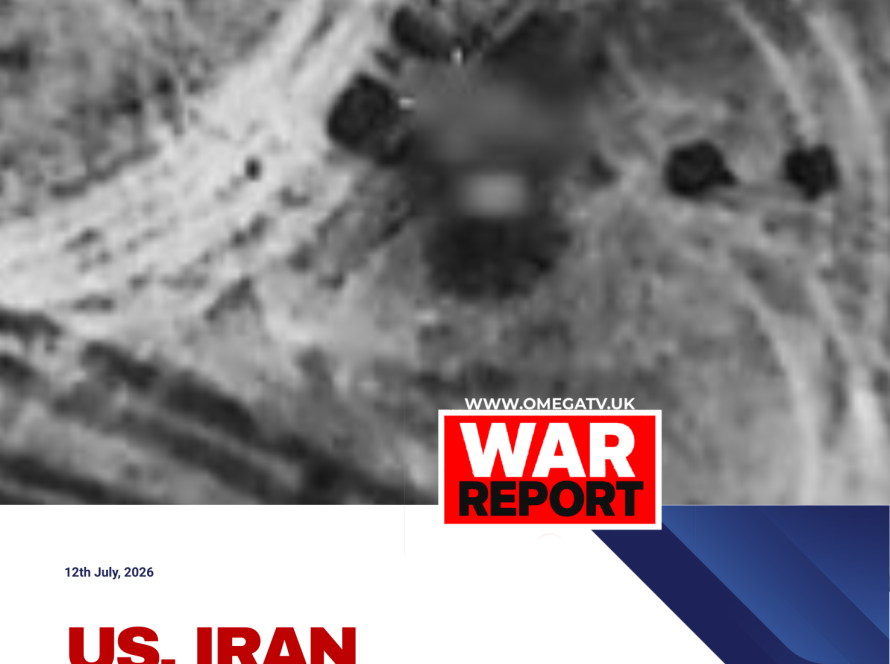
US Central Command confirmed it carried out what it described as “self-defense strikes” targeting military, radar and surveillance sites in southern Iran.
The strikes came shortly after US President Donald Trump warned that American forces would hit Iran “hard” if Tehran continued delaying negotiations aimed at permanently ending the conflict.
In response, Iran launched attacks targeting US military assets across the region, including bases in Bahrain and Kuwait for a second day in a row.
Iran’s Islamic Revolutionary Guard Corps also claimed it fired ballistic missiles at a US command centre in Jordan, saying it had destroyed several fighter jets and military facilities. The claims have not been independently verified.
Bahrain’s interior ministry confirmed air raid sirens were activated as intercepted Iranian drones caused falling debris that damaged homes and vehicles in Manama and Hamad Town. An 11-year-old girl reportedly suffered minor injuries.
Kuwait also confirmed that its air defence systems intercepted hostile aerial targets during the attacks. The country temporarily closed its airspace before reopening it hours later.
Meanwhile, explosions were reported across parts of Iran, including Tehran and Bandar Abbas near the Strait of Hormuz, a critical global oil shipping route.
Iranian state media also claimed the Strait of Hormuz had been fully closed to vessels, while the IRGC alleged it targeted two oil tankers in the area. However, US officials stated commercial ships were still moving through the waterway.
Global oil prices reacted sharply to the developments, with Brent crude climbing to around $95 a barrel amid fears of wider regional instability.
President Trump defended the strikes, accusing Iran of taking too long to negotiate a peace agreement, while US Defence Secretary Pete Hegseth warned that more attacks could follow if diplomacy failed.
Iranian President Masoud Pezeshkian insisted that Tehran would resist pressure and threats, accusing the United States of undermining diplomatic efforts.
The renewed violence has raised fears that the Middle East could slide back into a broader regional conflict despite earlier ceasefire agreements.
UN Secretary-General António Guterres urged all sides to return to diplomacy, warning that the region was being pulled deeper into crisis.