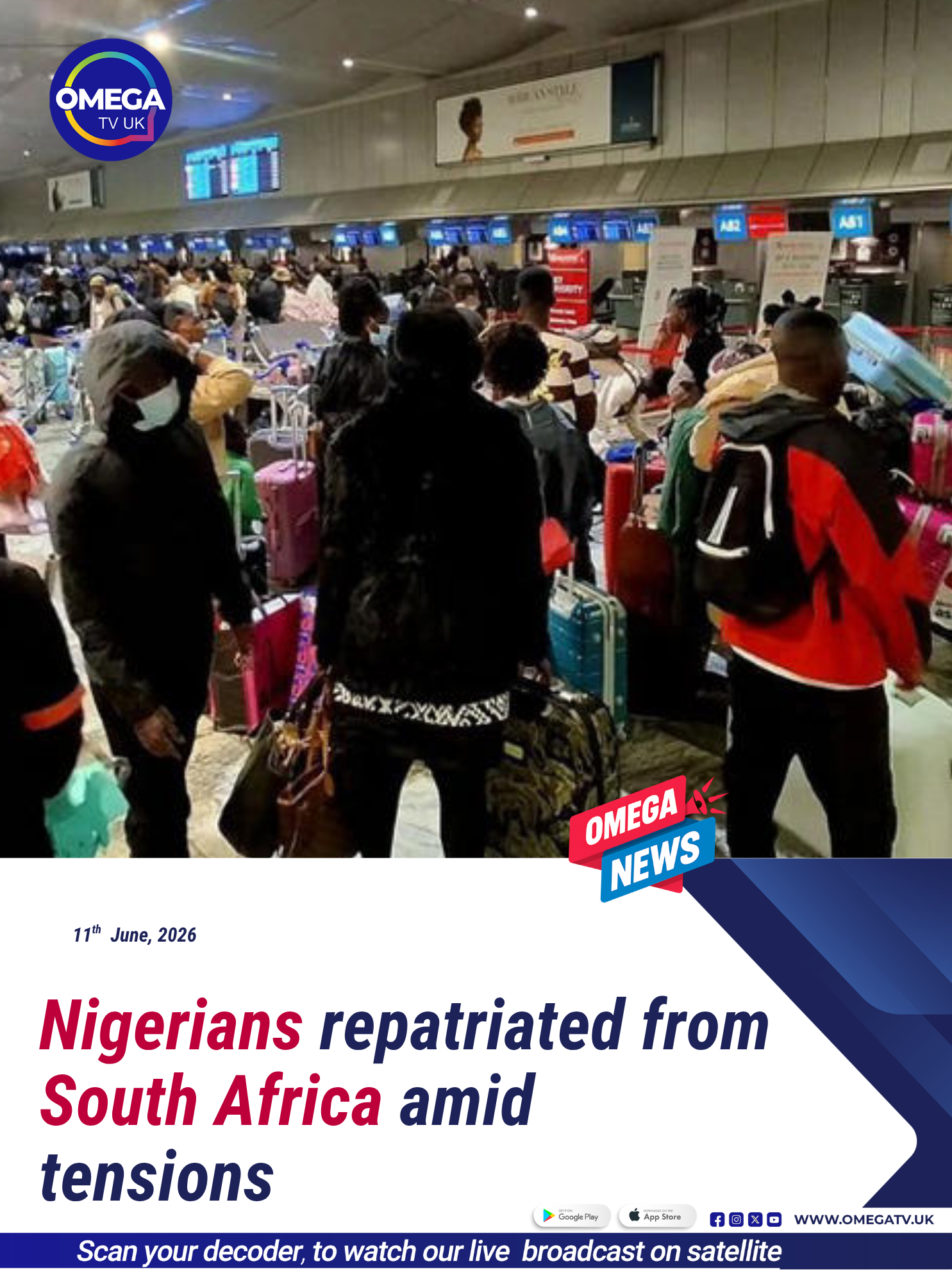
South African authorities have begun repatriating Nigerian nationals as rising anti-immigrant tensions continue to spread across parts of the country, forcing many foreign residents to leave amid fears for their safety and livelihoods. The evacuation process, which took place at Johannesburg airport on Wednesday, comes after weeks of growing hostility toward undocumented migrants in several communities.

The situation has escalated in recent weeks as groups of protesters, some armed with sticks, whips, and shields, marched through different areas demanding that foreigners without valid documents leave the country. The demonstrations have intensified pressure on migrant communities, with reports of intimidation, harassment, and damage to property linked to the unrest.
Speaking on the developments, Nigerian Consul General Ninikanwa Okey-Uche described the environment as increasingly unsafe for Nigerian citizens living in South Africa. He explained that many individuals now feel unable to move freely without being stopped and asked to present identification documents. According to him, there have been cases of violence and looting affecting migrant-owned businesses, prompting authorities to encourage voluntary return to Nigeria.
This is not the first time South Africa has experienced tensions involving foreign nationals. In 2008, violent xenophobic attacks resulted in more than 60 deaths, drawing international condemnation. Since then, sporadic outbreaks of anti-migrant violence and protests have continued, often fueled by economic pressures and social frustration.
For many migrants, the decision to leave has been difficult but necessary. Nigerian national Ona Charles, who had lived in South Africa for 14 years, said his experience had been unstable and emotionally draining. He explained that ongoing insecurity and repeated disruptions to daily life influenced his decision to return home, even if it meant starting over again.
Authorities in South Africa have confirmed that repatriated individuals will face immigration restrictions. Officials stated that those leaving under these circumstances will be placed on a “stop list,” which classifies them as “undesirable” under immigration law. This designation typically results in a ban of approximately five years before they may be eligible to re-enter the country.
South Africa, being the most industrialized economy in the region, has long attracted migrants from neighboring countries in search of better economic opportunities. However, the country continues to face high unemployment rates, estimated at over 30 percent, which has fueled resentment in some communities. Critics of immigration argue that foreign nationals compete for limited jobs and place additional strain on public services, while human rights groups warn against scapegoating migrants for broader economic challenges.
Over the years, this tension has periodically erupted into protests and violence, particularly in urban and economically stressed areas. Authorities have attempted various interventions to manage the situation, including policing efforts and community outreach programs, but underlying economic pressures continue to fuel resentment.
As repatriation efforts continue, both Nigerian and South African officials are calling for calm and cooperation to prevent further escalation. The Nigerian government has assured its citizens of support upon their return, while emphasizing the importance of safeguarding lives above all else.
The situation remains sensitive, with humanitarian organizations urging stronger protections for migrant communities and renewed dialogue between affected groups.