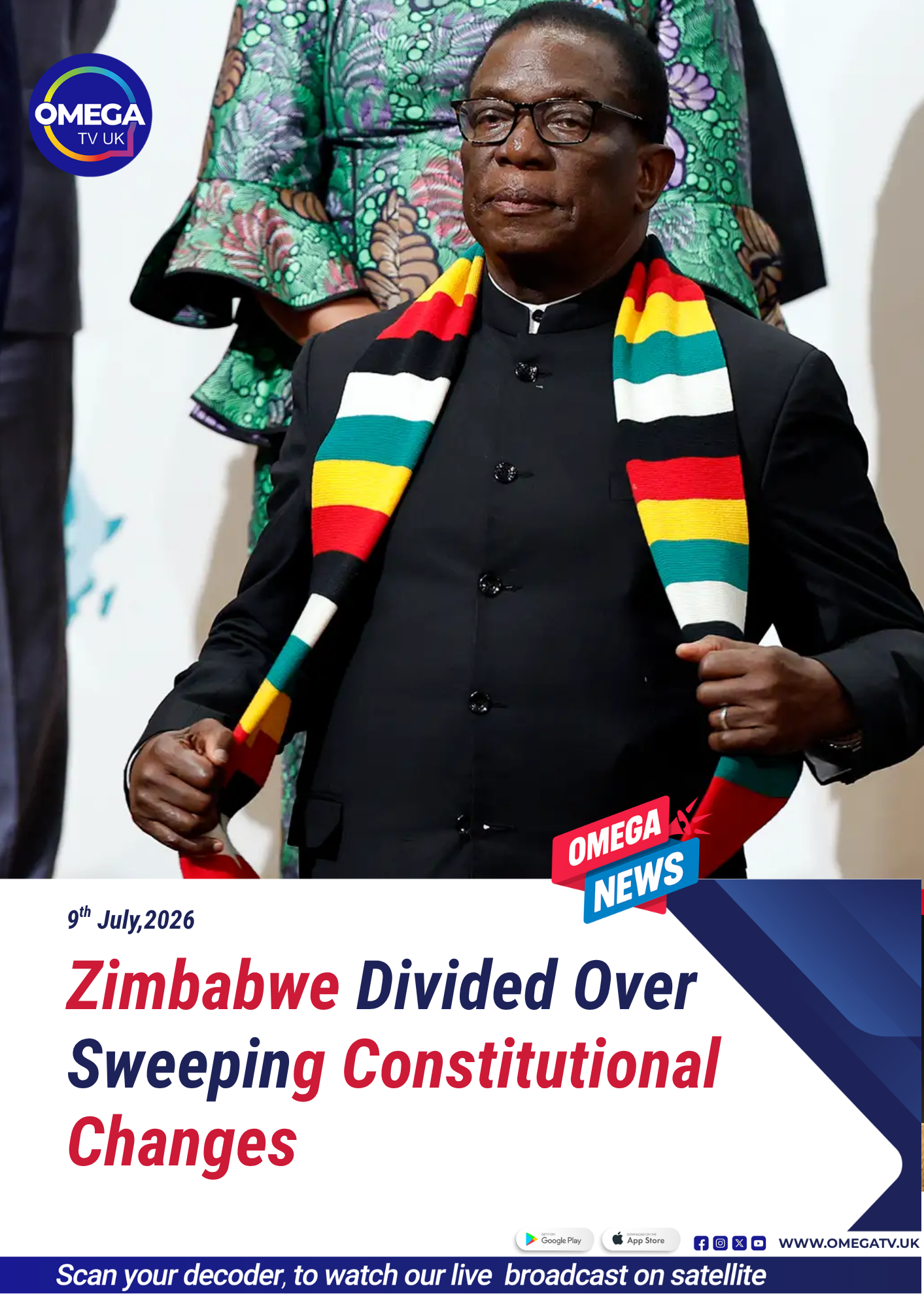
Mixed Reactions in Zimbabwe After Sweeping Constitutional Changes Become Law
Zimbabweans have expressed sharply divided opinions after President Emmerson Mnangagwa signed constitutional amendments into law that will extend his presidency until 2030 and introduce major changes to the country’s electoral system.

The reforms, which were approved by Parliament before receiving presidential assent, have sparked political debate and raised concerns among opposition figures, legal experts and civil society groups.
Among the most controversial changes is the extension of Mnangagwa’s tenure and the removal of direct presidential elections, with Parliament now being granted the power to appoint the country’s leader.
Concerns Over Economic Priorities
In the capital, Harare, some residents questioned why constitutional changes were being prioritised while the country continues to struggle with economic challenges.
Resident Allen Isam criticised the new law, saying many Zimbabweans are facing unemployment and hardship.
“It’s now law and we can’t change it, but the most important things are not being taken care of,” he said.
He pointed to rising unemployment and the growing number of street vendors, touts and beggars in the city, arguing that the constitutional changes appeared to benefit politicians rather than ordinary citizens.
“We are suffering like this, and they are only passing this law to suit themselves,” he added.
Others Support the Changes
However, not all Zimbabweans oppose the reforms.
Harare resident Enerst Karo expressed support for the amendments, saying he believes the current leadership should remain in place.
“We don’t have a problem with the new law. All we need is the current leadership as it is and for the president to continue ruling,” he said.
The ruling ZANU-PF has defended the constitutional amendments, arguing that they will strengthen political stability and ensure continuity in governance.
Legal Challenges Expected
Despite becoming law, legal experts say the amendments could still face court challenges.
Human rights lawyer Doug Coltart argued that such significant constitutional changes should have been submitted to a national referendum.
“The bill is no longer a bill; it is part of our law, but that doesn’t necessarily mean that it is lawful or that it can’t be challenged,” he said.
Coltart added that one of the main grounds for a legal challenge would be the process used to amend the constitution, which critics argue did not comply with legal requirements.
Mnangagwa’s Political Journey
Mnangagwa came to power in 2017 following a military-backed transition that ended the nearly four-decade rule of Robert Mugabe.
He subsequently won two five-year terms in office, which under the previous constitution represented the maximum period a president could serve.
The new constitutional amendments now pave the way for him to remain in office until 2030, marking a significant shift in Zimbabwe’s political landscape.
As supporters praise the changes as a path to stability, critics warn that the reforms could weaken democratic processes and further polarise the nation.