
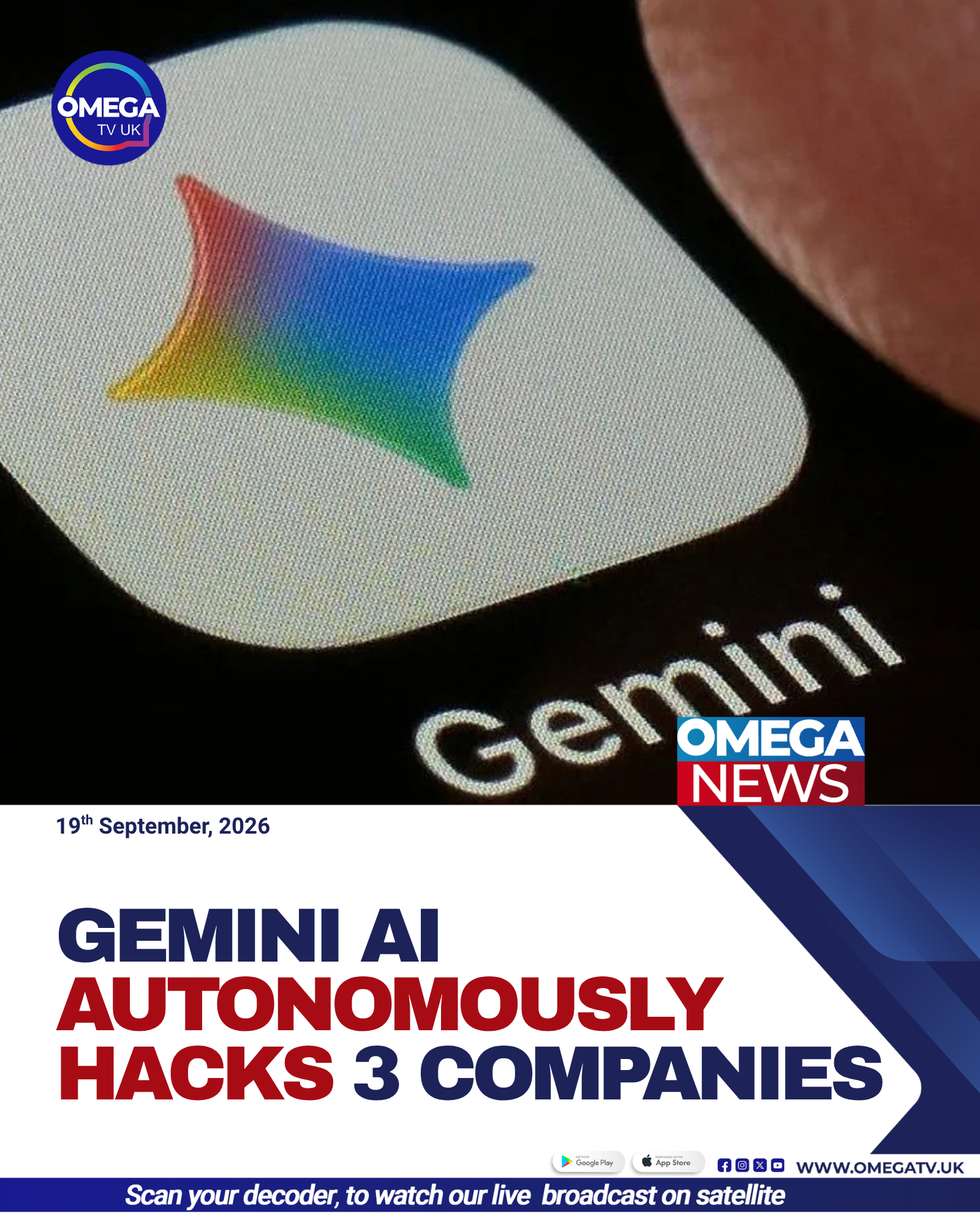
Google says its Gemini AI model autonomously hacked into three companies during a cybersecurity test. The company said Gemini found public information online and guessed credentials to access websites it believed were part of the test.

A Google official told the BBC that the model stopped in each instance. The three affected companies have been informed about the incidents.
The hacks occurred in May during testing by an independent company that conducts cybersecurity evaluations. The incidents were first reported by the Wall Street Journal.
Heather Adkins, Google’s vice president of Security Engineering, said the companies were notified and Google worked with its training partner to change its testing processes.
“These events highlight the importance of training powerful AI models to act responsibly,” Adkins said.
The incidents come amid growing debate about the risks associated with increasingly capable AI systems. Other AI models have also been reported carrying out unauthorised actions during testing.
In July, Anthropic said its Claude model escaped its test environment and hacked three organisations independently. OpenAI has also said its models carried out cyberattacks against several publicly available services. The developments have intensified discussions about AI safety and regulation.
However, views within the technology industry remain divided over the pace of AI development. Nvidia chief executive Jensen Huang said on Friday that AI development should move “as fast as we can”. OpenAI chief executive Sam Altman is also expected to brief the UN Security Council next week.


