Iran war escalates as US blockade begins and Pope clashes with Trump
Tensions in the Middle East have sharply intensified after Donald Trump announced a sweeping naval blockade targeting Iranian ports, while a public clash with Pope Leo XIV has added a dramatic new dimension to the crisis.
The United States confirmed that the blockade would begin on Monday, with military forces instructed to intercept vessels entering or leaving Iranian ports. The move follows the collapse of high-stakes peace talks between the US and Iran in Pakistan, which failed to produce a breakthrough after hours of negotiations.
US officials say the blockade is aimed at increasing pressure on Tehran over its nuclear ambitions and regional activities. While ships not bound for Iranian ports may still pass through the strategic Strait of Hormuz, vessels linked to Iran will be subject to strict enforcement.
The decision has already begun to disrupt global markets, with oil prices surging amid fears of supply shortages. The Strait of Hormuz is one of the world’s most critical energy corridors, with a significant portion of global oil shipments passing through it daily.
Iran has reacted strongly, warning that any attempt to enforce the blockade could be treated as an act of war. Iranian officials have also accused Washington of derailing negotiations by shifting demands during talks, while maintaining that they entered discussions in good faith.
The diplomatic breakdown marks a major setback after weeks of efforts to reach a ceasefire agreement in the ongoing conflict. Analysts warn that the blockade could escalate the situation further, potentially drawing in more regional and global actors.
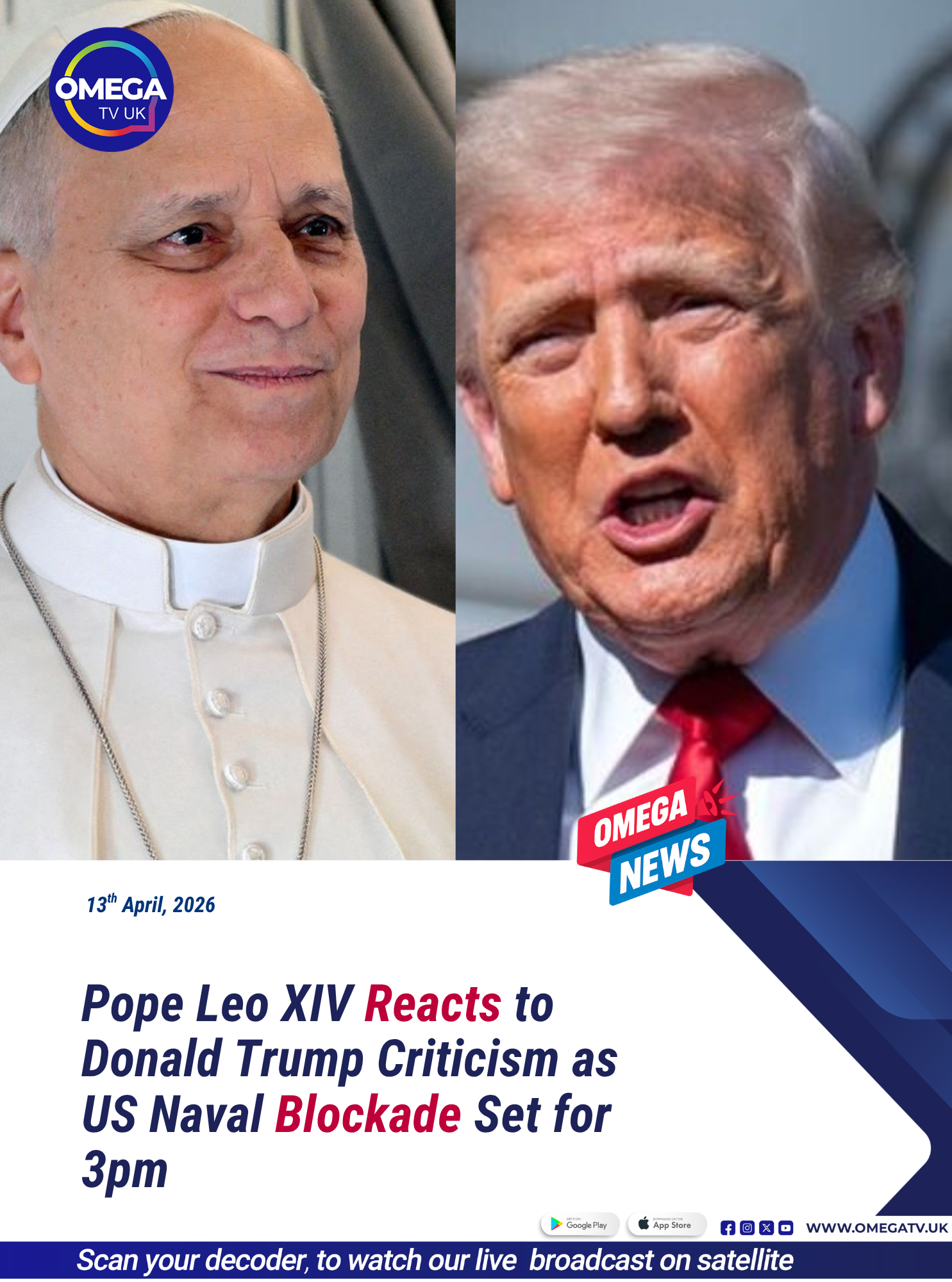
Adding to the tensions is an extraordinary public dispute between President Trump and Pope Leo XIV. The US president launched a series of attacks on the pontiff, describing him as “weak” and criticising his stance on the war.
The Pope, who has repeatedly called for peace and restraint, responded indirectly through recent remarks condemning violence and urging world leaders to end the conflict. In a strong message delivered during a religious service, he warned against glorifying war and called for a return to humanitarian values.
Although he did not mention Trump by name, his comments were widely interpreted as a rebuke of the escalating military approach taken by the United States.
The clash highlights a growing divide between political and moral leadership on the global stage. While the US administration argues that strong action is necessary to curb Iran’s influence, the Vatican has positioned itself as a voice for diplomacy and peace.
Meanwhile, international reactions to the blockade have been mixed. Some allies have expressed concern over the potential for escalation, while others have called for renewed diplomatic efforts to prevent a wider conflict. The United Kingdom, for example, has reportedly declined to join the blockade, signaling caution among Western partners.
Experts warn that the situation remains highly volatile. With both sides taking firm positions and trust between them at a low point, the risk of further confrontation is significant.
The failure of the Pakistan talks has left few immediate options for de-escalation. However, there are still indications that backchannel diplomacy could continue, as both Washington and Tehran have suggested that future negotiations are not entirely off the table.
For now, the focus remains on the unfolding blockade and its global implications. Beyond the immediate military and economic impact, the crisis is also shaping a broader geopolitical narrative—one that pits hardline strategies against calls for peace and restraint.
As events continue to develop, the world watches closely, aware that decisions made in the coming days could determine whether the conflict moves toward resolution or spirals into a deeper and more dangerous confrontation.