Second hantavirus case confirmed after deadly outbreak on Atlantic cruise ship
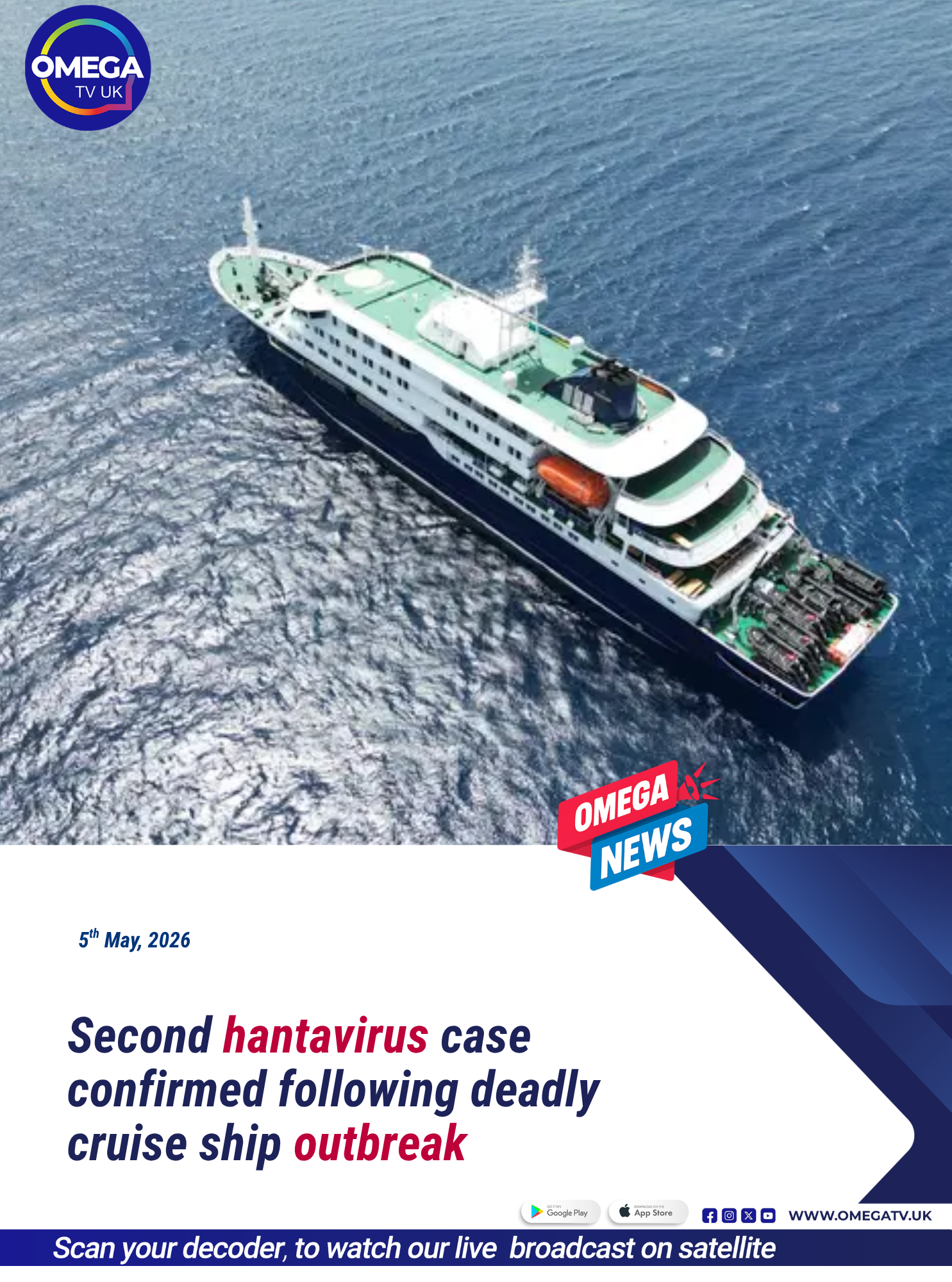
Two cases of hantavirus have now been confirmed following a suspected outbreak onboard the cruise ship MV Hondius, where three passengers have died and another remains critically ill during a voyage across the Atlantic Ocean.

The vessel, operated by Oceanwide Expeditions, is currently anchored near Cape Verde after local authorities blocked passengers from disembarking over safety concerns.
Among the confirmed cases is a Dutch woman who died, as well as a 69-year-old British national who was evacuated to a hospital in South Africa, where he remains in intensive care.
A Dutch husband and German passenger also died during the voyage, though their exact causes of death are still being investigated. Authorities have not yet confirmed whether all fatalities are linked to hantavirus.
Two crew members — one British and one Dutch — are also suspected of being infected and are expected to be medically evacuated alongside another close contact of a deceased passenger.
In total, around 149 passengers and crew from 23 countries remain onboard under strict isolation and hygiene protocols.
The ship departed from Argentina roughly a month ago and has travelled more than 6,000 miles at sea.
Health officials say hantavirus is typically spread through contact with rodent urine, droppings or saliva, and can cause severe respiratory illness. Human-to-human transmission is extremely rare.
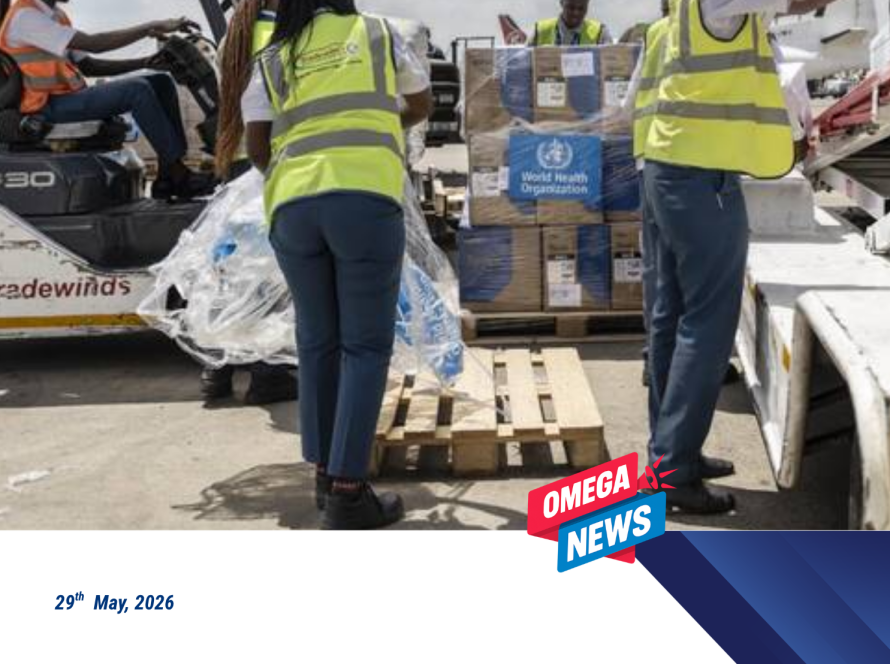
The World Health Organization (WHO) has said it is working with multiple authorities to manage the situation and assess the risk onboard.
WHO expert Dr Maria van Kerkhove said investigations are ongoing and several possible transmission routes are being considered.
“Our working hypothesis is that there may be different types of transmission occurring,” she said, including possible exposure before boarding or during stops at islands where rodents may be present.
However, officials stressed that the overall risk to the public remains low and there is no need for panic or travel restrictions.
The cruise operator confirmed that passengers became ill at different stages of the voyage.
One passenger reportedly died on 11 April, while another disembarked on St Helena before later passing away in hospital in Johannesburg. A third passenger fell seriously ill on 27 April and was evacuated to South Africa.
Authorities in Cape Verde have refused docking permission for passengers to disembark while the situation is assessed, forcing the vessel to remain at sea under medical supervision.
Passengers onboard have described growing anxiety as they await clearer instructions on evacuation plans.
One traveller told the BBC that three people were expected to be airlifted off the ship, with the remainder likely to be transported to the Canary Islands for further screening.
Another passenger said the situation was “very real” and emotionally difficult due to uncertainty and concern for families waiting at home.
South African health officials confirmed the British patient remains in critical but stable condition and is receiving supportive care, as there is currently no specific treatment for hantavirus.
The UK Foreign Office has confirmed it is assisting the family of the British national, while consular teams in multiple countries are monitoring the situation.
Experts emphasised that while hantavirus infections are rare, outbreaks can be serious when they occur, particularly in confined environments such as ships.
Investigations are continuing to determine how the virus may have entered the vessel and whether multiple sources of infection are involved.
For now, authorities are focusing on stabilising patients, preventing further spread, and safely relocating passengers as soon as conditions allow.