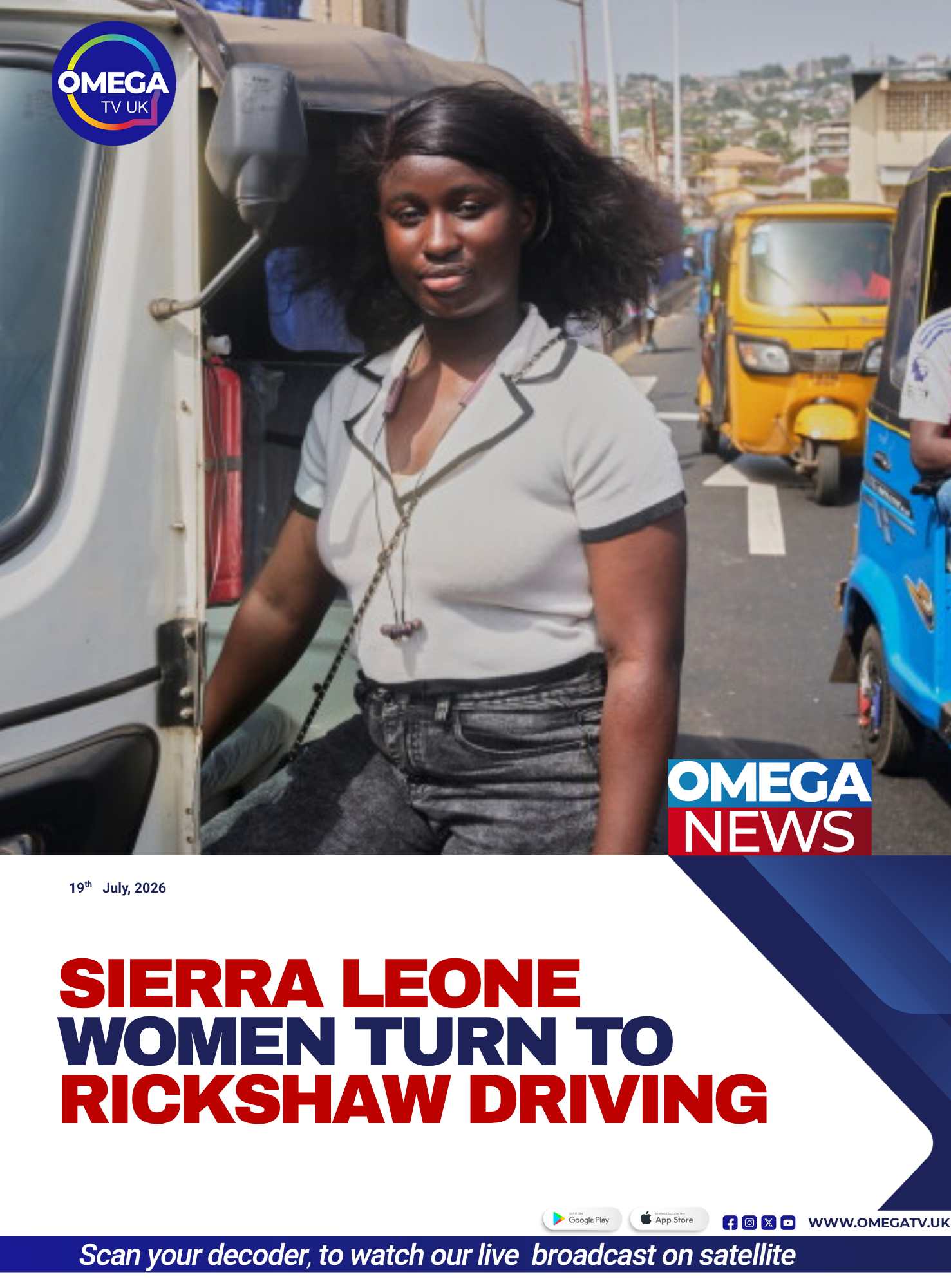
Growing number of women embrace kekeh driving as formal jobs remain limited
In Sierra Leone, a growing number of women are turning to rickshaw driving as a way to survive amid limited employment opportunities and economic challenges.

Known locally as kekeh, the three-wheeled vehicles have become an important part of the country’s transport system, especially in Freetown, where they help connect crowded city centres with neighbourhoods that are often underserved by other forms of transport.
For women like Alimatu Kamara, becoming a kekeh driver was not a first choice but a necessary step after struggling to find work despite completing her education.
“What motivated me to start riding a kekeh is that I graduated from college but have been unable to find a job,” Kamara said.
Her experience reflects the difficulties faced by many young Sierra Leoneans who enter the job market only to find limited opportunities in the formal sector.
Youth unemployment and underemployment remain major challenges in the country, with estimates suggesting that between 60% and 70% of young people struggle to secure stable employment. As a result, many have turned to informal work, where they can create their own sources of income.
Women, in particular, continue to face barriers in accessing formal employment. The country’s labour ministry estimates that women’s participation in the formal labour market remains below 30%, with many earning significantly less than men.
Marfoh Mariama Samai, a Women and Youth Advocate at Plan International, said women are already active participants in Sierra Leone’s economy but often work in areas with limited financial returns.
She explained that many women rely on small-scale trading and other informal activities, which often provide fewer opportunities compared to jobs such as rickshaw driving.
Although the informal sector is difficult to measure, it has become a crucial economic support system for thousands of Sierra Leoneans. For women drivers, kekeh offers a chance to earn a steady income while challenging traditional expectations about the types of jobs women can do.
Beyond providing employment, kekehs have become a key part of Sierra Leone’s public transport network. They offer affordable mobility for residents and help reduce pressure on overcrowded transport systems.
However, women working in the sector still face challenges, including social attitudes, financial barriers and limited access to formal protections available to workers in traditional employment.
Despite these obstacles, more women are choosing to enter the industry as they seek independence and financial stability.
For drivers like Kamara, the kekeh represents more than just a vehicle. It represents an opportunity to build a livelihood in a country where finding formal work remains a major struggle.
As Sierra Leone continues to address unemployment and economic inequality, women entering non-traditional careers highlight the growing role of the informal economy in creating opportunities for survival and empowerment.