Trump Hands JD Vance His Most Difficult Mission Yet
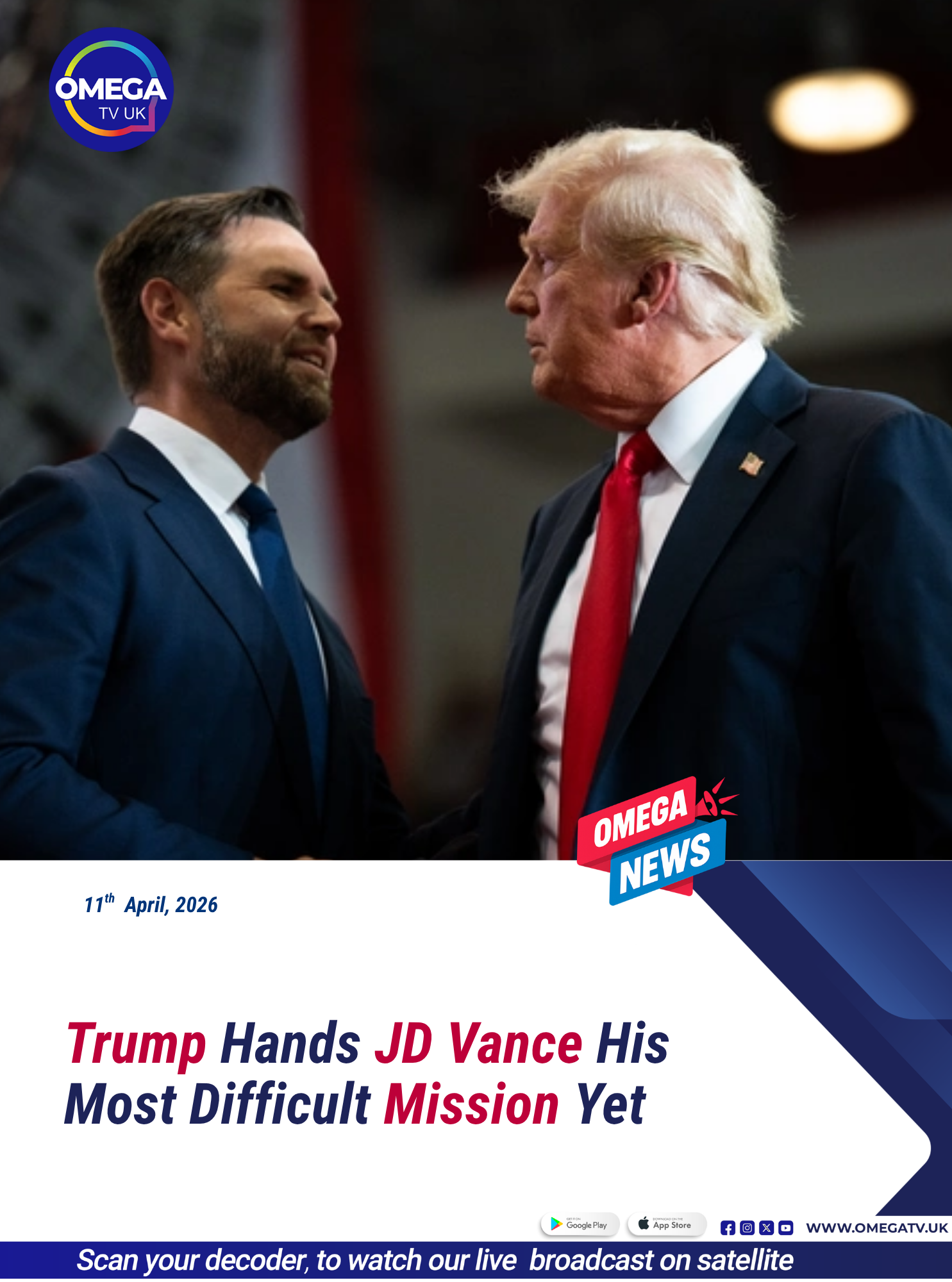
In the middle of an Easter lunch at the White House, Donald Trump once again showed his characteristic mix of humor and pressure when he addressed speculation about Vice President JD Vance’s role in negotiations aimed at ending the war with Iran.
“If it doesn’t happen, I’m blaming JD Vance,” Trump joked, drawing laughter from officials gathered in the East Room. Then, with a grin, he added, “If it does happen, I’m taking full credit.”
The remark may have been delivered in jest, but it underscored a serious reality: Vance has been handed what is arguably the most challenging diplomatic assignment of his political career. Tasked with leading a US delegation in high-stakes talks with Iran in Pakistan, the vice president now finds himself navigating a complex geopolitical landscape with enormous risks and uncertain rewards.
A High-Stakes Diplomatic Gamble
The talks come after weeks of intense conflict between the United States, Israel, and Iran, which have shaken global markets and heightened fears of a broader regional war. A fragile ceasefire has been brokered, but turning that temporary pause into a lasting agreement will require careful negotiation and compromise.
For Vance, the mission is a political minefield. Success could elevate his reputation as a capable global leader and strengthen his standing within the Republican Party. Failure, however, could damage both his credibility and future ambitions.
Diplomats and analysts say the challenge lies not only in negotiating with Iran but also in managing the expectations of multiple stakeholders. These include US allies in Europe, regional powers such as Israel, and domestic political audiences back in Washington.
A European official, speaking anonymously, summed up the pressure: “Vance needs to step into the room and deliver something. Otherwise, he will be diminished.”
Balancing Competing Interests
Any agreement will have to satisfy several parties with conflicting priorities. Iran, weakened but still defiant, has tightened control over key strategic routes like the Strait of Hormuz. Israel remains wary of any deal that could embolden Tehran, while European nations are pushing for stability without escalating military involvement.
Back home, Vance must also navigate the expectations of Trump’s political base. Many supporters of the “America First” movement are skeptical of foreign interventions and wary of prolonged entanglements abroad.
This creates a delicate balancing act: pursuing diplomacy while avoiding the perception of weakness, all while aligning with Trump’s often unpredictable approach to foreign policy.
Trump’s Unpredictable Leadership Style
One of the biggest challenges Vance faces is representing a president known for shifting positions rapidly. Trump’s approach to the Iran conflict has ranged from calls for peace to stark warnings of destruction.
In the days leading up to the ceasefire, Trump issued a series of dramatic statements, including a warning that “a whole civilisation will die” if Iran did not cooperate. Yet, just hours before a deadline, he announced a ceasefire agreement.
Such volatility adds another layer of complexity to the negotiations. Even if Vance secures progress, there is no guarantee that Trump will maintain support for the deal.
A senior diplomat noted, “He’s negotiating on behalf of a president who can change his mind at any moment. That’s an incredibly difficult position to be in.”
Vance’s Political Evolution
Before becoming vice president, Vance built a reputation as a critic of US involvement in foreign wars. As a former Marine who served in Iraq, he has often argued against prolonged military engagements.
However, his current role requires him to publicly support policies that may conflict with his earlier views. During the Iran conflict, Vance has echoed the administration’s stance that military action was necessary to prevent Tehran from developing nuclear weapons.
This shift highlights the tension between his personal beliefs and his responsibilities as a senior member of the administration.
The Pressure to Deliver
Vance has attempted to manage expectations ahead of the talks. Speaking to reporters before departing Washington, he emphasized the importance of good-faith negotiations.
“If the Iranians are willing to negotiate in good faith, we are certainly willing to extend an open hand,” he said, while also warning against attempts to exploit the situation.
Despite these measured remarks, the pressure remains intense. Trump has made it clear that he expects results, and the stakes could not be higher.
The vice president must not only help secure a deal but also ensure that it aligns with the administration’s broader strategic goals.
A Test of Leadership
For many observers, this mission represents a defining moment in Vance’s political career. While he has participated in high-level meetings and international trips, he has yet to lead a negotiation of this magnitude.
His performance will be closely watched by allies and adversaries alike. Success could position him as a credible future presidential candidate, while failure could expose limitations in his diplomatic abilities.
At just 41 years old, Vance remains relatively new to the world of international politics. Yet, he has quickly risen to one of the most powerful positions in the US government.
Now, he must prove that he can handle the responsibilities that come with it.
The Road Ahead
The outcome of the talks in Pakistan remains uncertain. Even if initial progress is made, translating it into a comprehensive agreement will take time and sustained effort.
Key issues such as Iran’s nuclear program, regional security, and the reopening of critical trade routes like the Strait of Hormuz will require detailed negotiations.
There is also the question of trust. Years of tension and conflict have left deep scars, making it difficult for either side to fully commit to a lasting peace.
Conclusion
As JD Vance steps into the negotiation room, he carries not only the expectations of the Trump administration but also the hopes of a world eager for stability.
The mission is fraught with challenges, from managing Trump’s unpredictable leadership style to balancing competing international interests.
Whether he succeeds or fails, one thing is certain: this assignment will shape both his political future and the trajectory of US foreign policy in the years to come.
For now, all eyes are on Islamabad, where the outcome of these talks could determine whether the fragile ceasefire evolves into lasting peace or collapses under the weight of unresolved tensions.