US President Trump threatens Iran with strikes on power plants and bridges amid escalating conflict

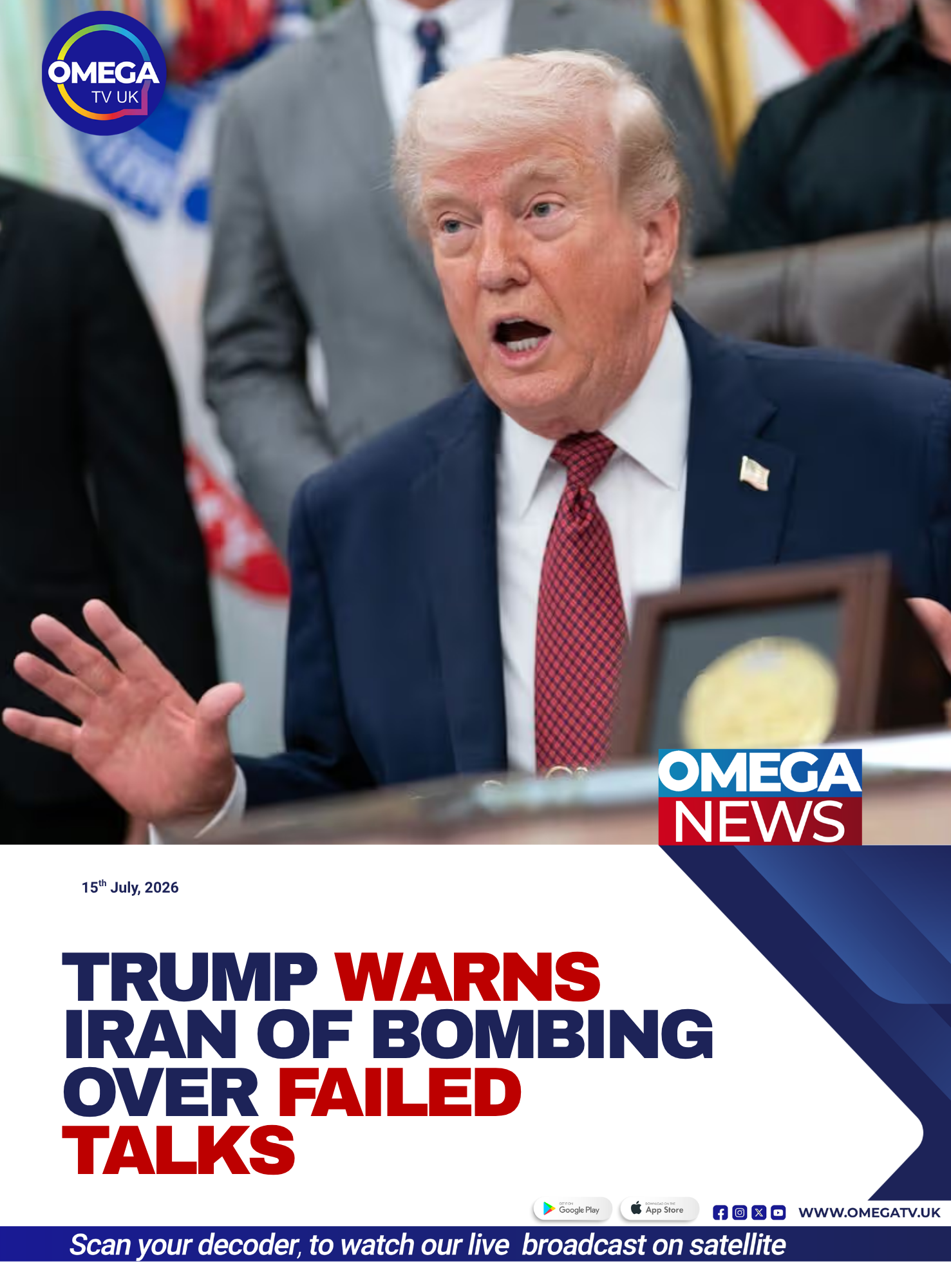
US President Donald Trump has threatened to target Iran’s bridges and power infrastructure next week if Tehran does not return to negotiations, as tensions between the two countries continue to escalate.
Speaking in an interview with Fox News, Trump warned that the US would strike key infrastructure targets if Iran refused to reach a new agreement.
“Next week it gets really bad for them,” Trump said, adding that the US could target energy facilities and other infrastructure.
The comments came as the United States and Iran exchanged attacks for a fourth consecutive day, with both sides intensifying military actions in the region.
Trump’s latest warning follows his decision to abandon plans for a proposed 20% fee on cargo passing through the Strait of Hormuz, replacing it with trade and investment agreements with Gulf countries. However, the US has moved ahead with plans to resume a naval blockade of Iranian ports.
The US military said it carried out strikes on Iranian military targets near the Strait of Hormuz, claiming the operation was aimed at reducing Iran’s ability to threaten commercial shipping.
Iran, meanwhile, responded with missile and drone attacks on US-linked targets in parts of the Gulf region, including Jordan, Kuwait and Bahrain.
The growing conflict has raised concerns over the safety of one of the world’s most important oil shipping routes. Traffic through the Strait of Hormuz has slowed significantly, contributing to rising global oil prices.
Trump’s threat to target civilian infrastructure has also drawn criticism from international observers. UN human rights chief Volker Türk previously warned that deliberately attacking civilian infrastructure could violate international law.
The Geneva Conventions prohibit attacks on sites essential for civilian survival during conflicts.
Iran has rejected US pressure, with officials insisting that Tehran will continue to control and protect the Strait of Hormuz.
Iran’s Deputy Foreign Minister Kazem Gharibabadi said increased military and economic pressure would not force Iran back into negotiations, arguing that Washington’s actions had damaged previous agreements.
The confrontation has increased fears of a wider regional conflict, with Gulf states, global markets and shipping industries closely monitoring developments.