US criticises Zambia over delayed $1bn health aid agreement
The United States has criticised Zambia after a deadline passed without the signing of a major health aid agreement valued at more than $1 billion.

Outgoing US Ambassador Michael Gonzales said repeated efforts by Washington to secure Zambia’s commitment to the deal were unsuccessful, leaving American support to continue on an ad hoc basis instead of through a formal long-term framework.
According to Gonzales, the unsigned memorandum of understanding was designed to guide funding for critical health programmes in Zambia.
The proposed agreement would reportedly support major initiatives including HIV treatment, malaria response, maternal and child healthcare, disease prevention, and other essential public health services.
Gonzales said progress on the agreement has stalled because Zambian officials have allegedly not meaningfully engaged with the process since January.
As a result, the funding arrangement expected to begin under a new structure this month has been delayed.
The dispute has sparked growing concern within Zambia, with some health campaigners raising concerns about the contents of the proposed deal.
Critics have suggested the agreement could potentially connect health aid to Zambia’s access to strategic minerals, while also creating concerns over data sharing arrangements.
However, Ambassador Gonzales strongly rejected those allegations.
He described the claims as false, misleading, and offensive, insisting the agreement was focused solely on strengthening healthcare delivery and long-term health outcomes.
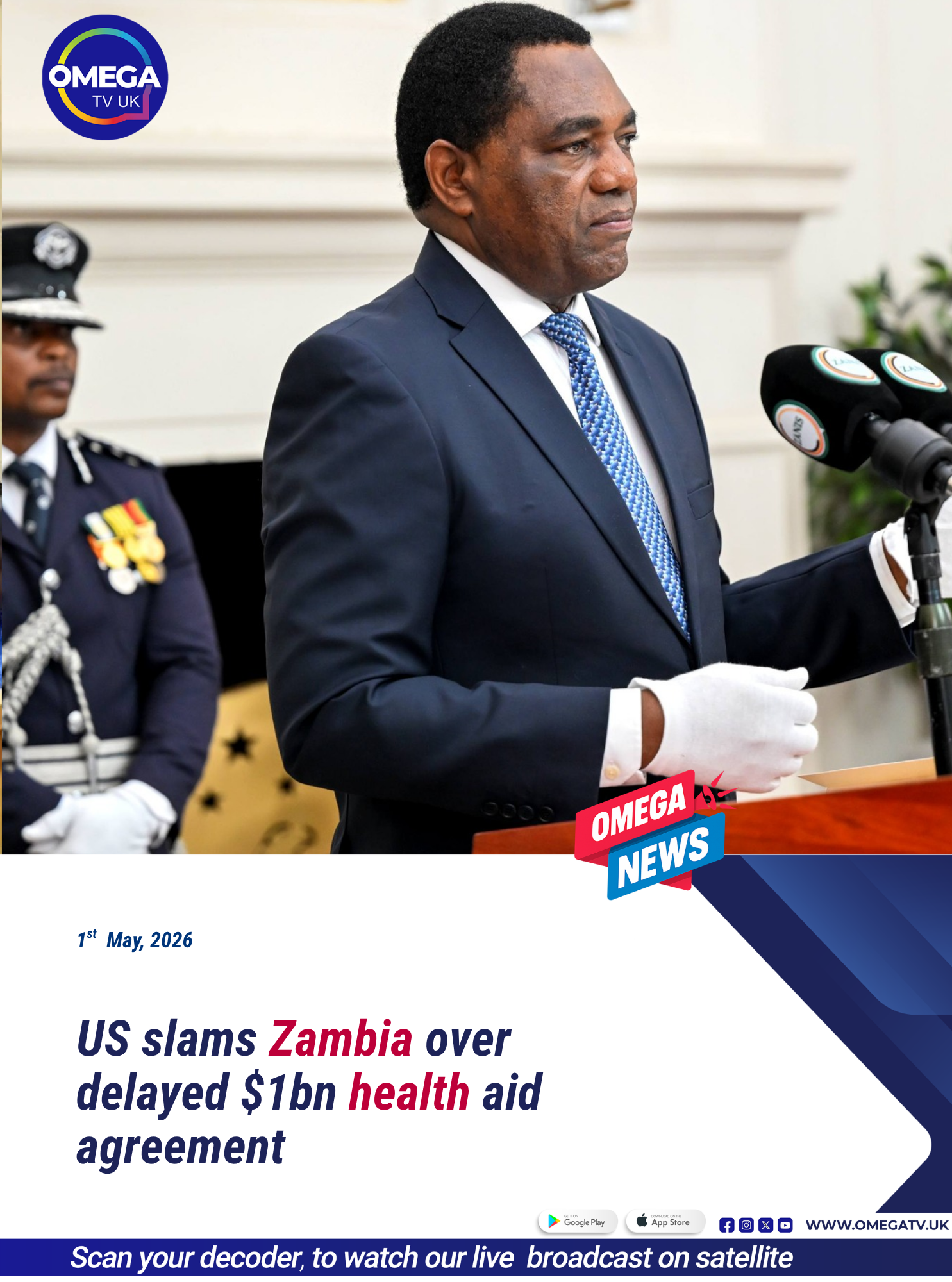
In response to the criticism, Zambian presidential spokesperson Clayson Hamasaka said the government values its long-standing partnership with the United States.
He added that Zambia remains open to continued discussions but stressed that any disagreements or concerns should be managed through proper diplomatic channels.
The latest dispute adds to already growing tensions between both countries.
Relations were previously strained after the United States cut portions of support following revelations that donated medicines had been stolen within Zambia’s health system.
The theft scandal exposed serious governance and accountability challenges, raising concerns among international partners over the management of aid resources.
Reports also suggest that under the draft agreement, Zambia would be expected to contribute approximately $340 million in co-funding during the same implementation period.
This requirement may have contributed to hesitation around finalising the agreement, though officials have not publicly confirmed specific reasons for the delay.
Despite the current setback, the United States says it remains committed to supporting the Zambian population through essential health services.
Washington confirmed that programmes such as antiretroviral treatment, HIV prevention, and prevention of mother-to-child transmission will continue.
However, US officials warned that future large-scale long-term assistance will depend on Zambia implementing reforms, improving accountability, and re-engaging with the proposed framework.
The delay now leaves uncertainty around the future of one of Zambia’s most significant international health funding partnerships.