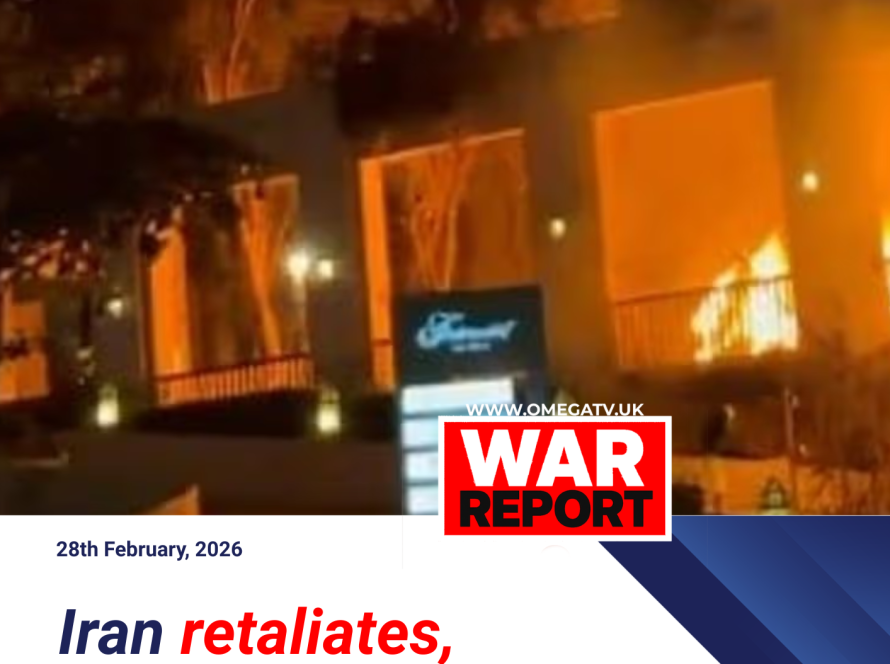
The United States has carried out fresh military strikes against Iran following a new wave of attacks in the Strait of Hormuz, marking a sharp escalation in tensions between the two countries just weeks after an interim ceasefire agreement was signed.

The latest developments come after a tanker sailing under a Panama flag was reportedly struck by a drone in the strategic waterway early Saturday. In response, the U.S. military said it launched targeted strikes on Iranian military infrastructure, accusing Tehran of continued aggression against commercial shipping in the region.
United States Central Command confirmed that the strikes targeted Iranian surveillance systems, communications facilities, air defence sites, drone storage locations, and mine-laying equipment. Officials said the action was taken “in direct response” to repeated attacks on shipping lanes.
Iranian state media reported explosions in the southern coastal city of Sirik shortly after the U.S. operation, though details remained limited. Tehran has not provided a full assessment of the damage but insists its actions are defensive and in response to violations of the ceasefire framework.
The confrontation follows another attack earlier in the week on a cargo vessel, which had already heightened tensions in the region. The Strait of Hormuz—one of the world’s most critical oil shipping routes—has seen repeated disruptions during the conflict, raising global concerns over energy security.
Maritime monitoring agencies confirmed that the latest tanker strike damaged the vessel’s bridge, though all crew members were reported safe. Security alerts across the region have since been raised, with naval coalitions warning of increased risk to commercial shipping.
Iran has accused the United States of failing to honour the interim agreement, particularly citing ongoing regional military activity and alleged support for opposing forces in neighbouring conflicts. Tehran has also been accused of attempting to assert greater control over shipping routes through the Strait.
Further complicating the situation, Iran and allied forces have reportedly expanded their regional activity, including drone operations and strikes linked to U.S. military positions in nearby Gulf states. Bahrain, which hosts a major U.S. naval base, reported drone activity during the latest exchanges.
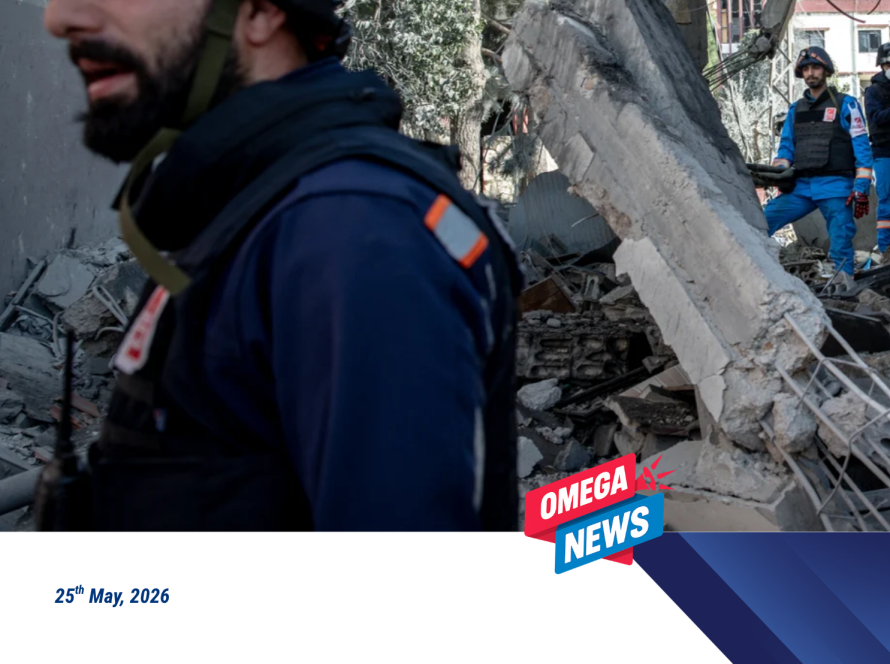
The situation has also drawn in wider regional tensions involving Lebanon and Israel, where fragile ceasefire arrangements remain under strain and sporadic strikes continue despite diplomatic efforts.
Oil markets remain highly sensitive to developments in the Strait of Hormuz, with shipping disruptions having previously triggered sharp fluctuations in global energy prices. Analysts warn that sustained instability in the waterway could have significant economic consequences worldwide.
U.S. officials maintain that their response is aimed at protecting international shipping lanes and deterring further attacks. Iran, meanwhile, insists it will continue to respond to what it describes as violations of its sovereignty and security interests.
As both sides exchange accusations and military action continues, fears are growing that the conflict could widen beyond maritime confrontations into a broader regional escalation.