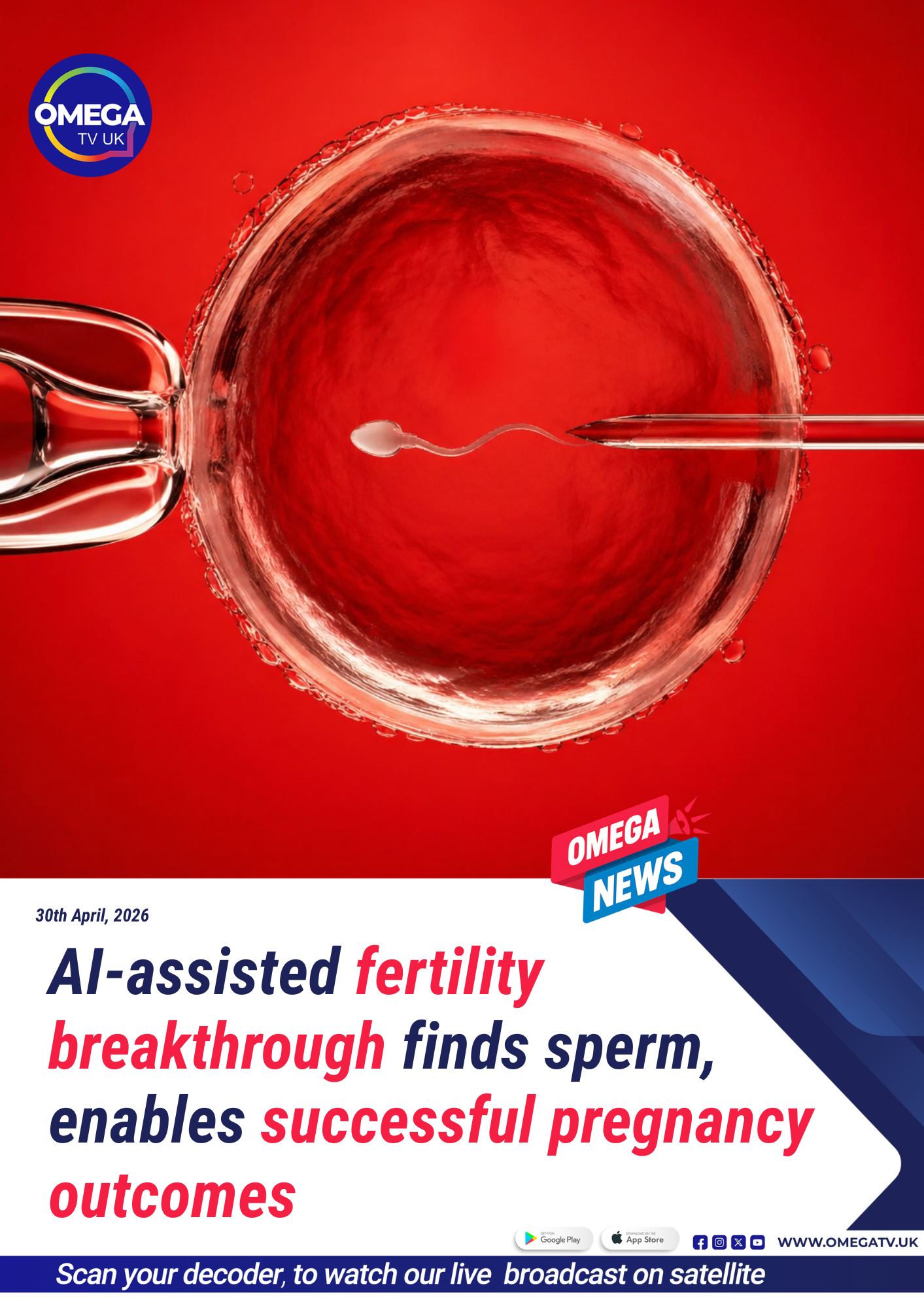
A new AI-enabled fertility breakthrough has provided hope to couples who had previously been told that they would never be able to have biological children due to the lack of available sperm cells through traditional laboratory techniques.

In November 2025, while driving in New Jersey after more than two years of trying to conceive, Penelope received some amazing news: she was finally pregnant! After her and her husband Samuel learned that he had an extra X chromosome resulting in Klinefelter syndrome (a genetic condition characterized by the presence of one or more extra X chromosomes), the couple were told that Samuel had azoospermia (very few or no identifiable sperm in his ejaculate) which is seen in roughly 10% of men who are referred to as infertile.
The STAR (Sperm Track and Recovery) system, created by the Columbia University Fertility Center, has made this possible. This technology combines artificial intelligence, high-speed imaging, and microfluid data chips to screen millions of images every second, enabling the identification and collection of even a single viable sperm cell from samples containing very few sperm cells. Fearing he would never have children, Samuel had a testicular tissue sample surgically removed.
This sample was run through the STAR process and identified eight sperm cells; the first of which was used to fertilize Penelope’s eggs, creating a viable embryo.